





















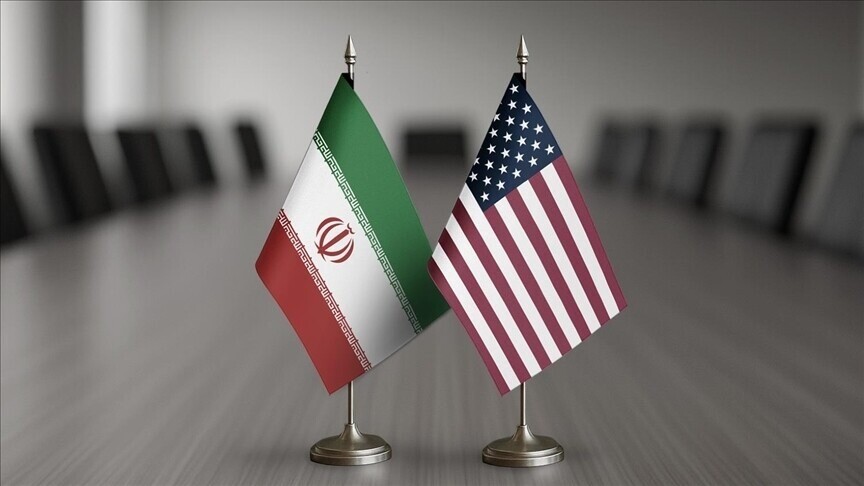
LAGOS — The sudden signing of a comprehensive peace accord between the United States and Iran has sent shockwaves through global commodity hubs, altering the macroeconomic assumptions underpinning Nigeria’s 2026 fiscal strategy.
Following the immediate drop in global crude benchmarks from the prolonged $120 high down to the $65–$70 range, economic analysts and sovereign planners are recalibrating the national ledger to navigate a complex matrix of shifting revenue inputs and structural cost relief.
While a lower oil price environment traditionally triggers fiscal anxiety for a crude-dependent exporter, the 2026 domestic economic landscape is heavily insulated by an expanding domestic refining capacity and a sharp drop in headline inflation to 15.93%. This ensures that the global re-pricing acts less like a crisis and more like a structural reallocation of capital.
The Fiscal Trade-Off: Revenue Compression vs. Subsidy Relief
The collapse of the geopolitical risk premium in global energy markets hits the Nigerian economy through two primary, opposing transmission channels.
[Global Crude Price Crash: $120 → $65]
       │
       ├──► Gross Sovereign Dollar Revenue (Compressed)
       │
       └──► Landing Cost of Refined Imports (Substantially Reduced)
1. The Revenue Constraint (The Net Export Hit) With the 2026 national budget benchmarked against significantly tighter fiscal targets, a sustained drop to $65 crude reduces the nominal dollar windfalls generated by the Nigerian National Petroleum Company (NNPC) and joint-venture operators.
Sovereign wealth allocations and foreign exchange accretion to the external reserves will experience immediate compression, putting the onus on the Federal Inland Revenue Service (FIRS) to make up the deficit through non-oil tax infrastructures.
2. The Downstream Windfall (The Subsidy and FX Relief) The silver lining of the market crash is an immediate reduction in the landing cost of refined petroleum products.
Because Nigeria still relies on imported specialized fuels alongside its growing domestic refining capacity, a lower global crude price slashes the national under-recovery bill. The massive foreign exchange drain required to fund fuel imports will ease dramatically, preserving scarce dollar liquidity within the banking stack.
Macroeconomic Spillovers: Disinflation and Monetary Policy
Beyond the direct energy ledger, the U.S.–Iran settlement alters the core mechanics of Nigeria’s domestic inflation and monetary stance.
- The Disinflationary Impulse: As seen in the May 2026 inflation drop to 15.93%, the cooling of global energy prices removes a massive layer of imported inflation. Lower diesel and transport logistics costs reduce the operational overhead for local manufacturers and agro-processors, cascading into lower retail prices for consumer stables.
- A Shift in the MPR Trajectory: With the Central Bank of Nigeria’s real interest rate now deeply positive against a 26.5% Monetary Policy Rate (MPR), the rapid cooling of energy-driven inflation gives the Monetary Policy Committee (MPC) the necessary room to consider an easing cycle. A cautious reduction in the MPR later in the year could unlock cheaper corporate credit lines, fueling real-sector growth.
The Operational Reality: A Pivot to Non-Oil Moats
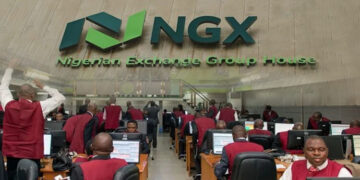
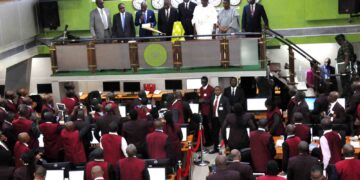
For institutional investors on the Nigerian Exchange (NGX) and corporate managers, the post-peace-deal environment favors agility over legacy resource dominance.
Strategic Adjustments for H2 2026:
- Equities Allocation: Capital is expected to concentrate heavily within sectors that benefit directly from lower input costs and strong domestic demand—such as fast-moving consumer goods (FMCG), logistics corridors tied to AfCFTA, and digital infrastructure networks.
- The Energy Transition Premium: Even with cheaper fossil fuels, the operational vulnerability of relying entirely on grid or diesel setups remains top of mind. Corporate hubs that have successfully transitioned their factories and distribution centers to decentralized Solar-Hybrid systems will continue to command a valuation premium due to their superior margin resilience.
Ultimately, the U.S.–Iran peace deal accelerates the structural transformation of the Nigerian economy. By forcefully stripping away the artificial buffer of $120 war-premium oil, the global market is forcing domestic planners to double down on localized supply chains, fiscal diversification, and domestic refining self-sufficiency.
In the newly re-priced 2026 economic matrix, structural efficiency remains the only reliable long-term hedge against global volatility.