






















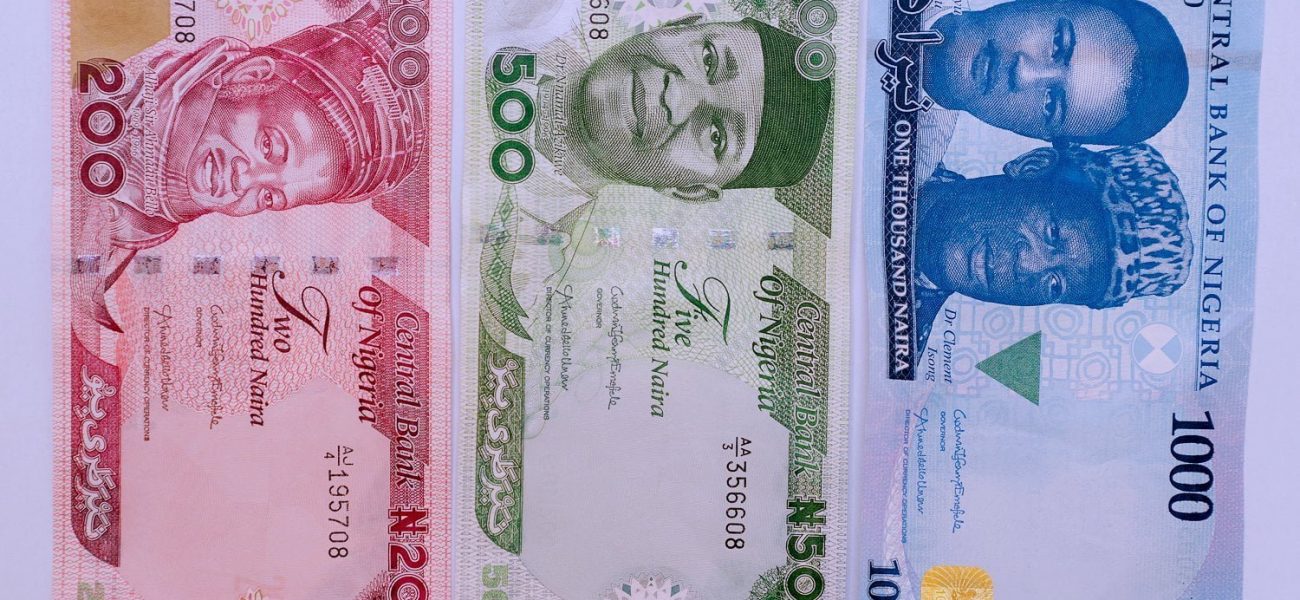
LAGOS — The Nigerian economy is facing a complex fiscal “pincer movement” as global oil prices and domestic currency stability move in opposite directions. According to a market intelligence report published on April 7, 2026, Nigeria’s sovereign grade crude, Bonny Light, has surged to $120 per barrel.
While high oil prices typically bolster the foreign exchange reserves of oil-exporting nations, the Naira has instead come under renewed pressure. This paradox is driven by the staggering cost of importing refined Premium Motor Spirit (PMS) and the associated demand for liquid dollars to settle international energy obligations.
The Paradox of the $120 Barrel
In a standard economic model, rising crude prices should lead to an appreciation of the local currency. However, Nigeria’s current structural dependency on imported fuel has inverted this relationship.
As the price of Bonny Light climbs, the international market price for refined petrol follows suit.
Because Nigeria still relies heavily on offshore refineries for its daily PMS consumption, the Nigerian National Petroleum Company (NNPC) and other importers must find significantly more foreign exchange to secure the same volume of fuel. This “Import Drain” effectively neutralizes the gains from crude oil exports.
Forex Reserves and the Liquidity Gap
The Central Bank of Nigeria (CBN) is finding it increasingly difficult to defend the Naira at current levels. Despite the windfall from $120 oil, the “Net FX Inflow” remains thin because a substantial portion of the oil revenue is pre-committed to debt servicing and direct swap arrangements for fuel.
Key Pressure Points for the Naira in April 2026:
- Speculative Demand: Importers, fearing further price hikes in the global energy market, are front-loading their dollar demands, creating a “scarcity premium” in the official and parallel markets.
- Refined Product Pricing: With petrol landing costs soaring, the government faces a choice between allowing pump prices to reflect global realities or increasing the fiscal burden of price interventions.
- The “Lagos Energy Hub” Delay: While local refining capacity is increasing, it has not yet reached the “Total Self-Sufficiency” threshold required to decouple the Naira from the volatility of the global refined-oil market.
The Inflationary Feedback Loop
The weakening of the Naira against the backdrop of high energy costs is creating a dangerous inflationary feedback loop. As the currency depreciates, the cost of bringing in everything from industrial machinery to food items rises, further eroding the purchasing power of the average Nigerian.
Transportation costs are particularly sensitive to this shift. Logistics companies, which have already been grappling with the weather-related disruptions noted in recent NiMet reports, are now seeing their fuel margins evaporated by the double blow of high global prices and a weaker exchange rate.
Macro-Fiscal Resilience
The current trajectory of Bonny Light at $120 per barrel serves as a stark reminder of Nigeria’s “Resource Curse” in its current form—exporting raw wealth while importing expensive finished goods. To stabilize the Naira, the focus must shift from simply tracking oil prices to aggressively closing the refined-product deficit.
The immediate outlook suggests a period of heightened volatility for the exchange rate. Until domestic refining can fully meet internal demand, the Naira remains a “hostage” to global energy benchmarks.
For businesses and investors, the priority for Q2 will be hedging against further currency fluctuations as the global energy surge continues to test the limits of Nigeria’s fiscal architecture.