






















ABUJA — The Nigerian Meteorological Agency (NiMet) has officially released its 2026 Seasonal Climate Prediction (SCP), offering a critical roadmap for a year expected to be defined by significant weather volatility.
According to the comprehensive report published on April 7, 2026, Nigeria will experience a “see-saw” climate pattern—characterized by delayed onsets of rainfall in some regions and high-intensity “flash-flood” events in others.
For the Nigerian business community, these predictions are no longer just environmental updates; they are vital economic indicators that will dictate everything from supply chain logistics to insurance premiums in the coming months.
The Agricultural Outlook: Navigating the Delayed Onset
One of the most pressing takeaways from the 2026 report is the predicted delay in the onset of the rainy season across the North-Central and North-Western states. NiMet indicates that the “planting window” may shift by as much as two to three weeks, a change that could lead to crop failure if farmers follow traditional seasonal calendars.
To mitigate these risks, agribusinesses are being urged to invest in drought-resistant seed varieties and localized irrigation systems. For large-scale processors, the delay suggests a potential tightening of raw material supply in Q3, making early procurement and strategic stockpiling essential to maintain stable production costs throughout the year.
The Logistics Challenge: Preparing for Flash Floods
While the North may face delays, the South and coastal regions are braced for high-intensity rainfall events concentrated into shorter windows. This “compressed” rainfall pattern significantly increases the risk of flash flooding in urban hubs like Lagos, Port Harcourt, and Onitsha.
For logistics and haulage companies, the 2026 report serves as a warning of potential disruptions to the “Last-Mile” delivery network. Flooded arterial roads can lead to “vessel-to-warehouse” delays, increasing demurrage costs at the ports and causing inventory gaps in retail stores.
Businesses operating in these zones are advised to conduct “flood-risk audits” of their warehouse locations and consider elevating high-value inventory above the newly predicted water-table levels.
The Energy and Infrastructure Impact
The 2026 weather patterns also have a direct correlation with national energy availability. NiMet highlights a period of “prolonged heatwaves” during the transition months, which is expected to drive a surge in electricity demand for cooling.
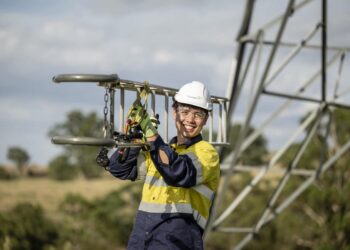
For corporate offices and manufacturing plants, this translates to higher operational overheads. Furthermore, the agency warns that extreme heat can lead to the “sagging” of transmission lines and the overheating of localized transformers, potentially increasing the frequency of the “overnight drains” and grid instabilities observed in the Lagos power corridor.
Investing in the decentralized energy models and battery storage systems currently being deployed by firms like Transgrid Enerco may be the only way for businesses to remain resilient against these climate-induced power fluctuations.
Public Health and Workforce Productivity
Beyond physical infrastructure, the NiMet report points toward a “Health Risk Window.” The combination of high humidity and heatwaves creates a breeding ground for respiratory and water-borne diseases.
For HR departments, this means preparing for a potential spike in employee absenteeism. Forward-thinking companies are already implementing “Heat-Stress Protocols,” which include flexible working hours during peak temperature periods and improved ventilation in factory settings to protect workforce productivity and safety.
The High Bar
The 2026 NiMet report makes it clear that “Climate Intelligence” is now a non-negotiable part of the Nigerian business stack.
In a year where weather extremes are the new baseline, the difference between a profitable quarter and a logistical disaster will depend on a company’s ability to turn these meteorological predictions into actionable strategy.
As the rains begin to arrive—albeit unevenly—the “High Bar” for success will be set by those who treated this report not as a forecast, but as a business plan.