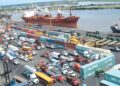






















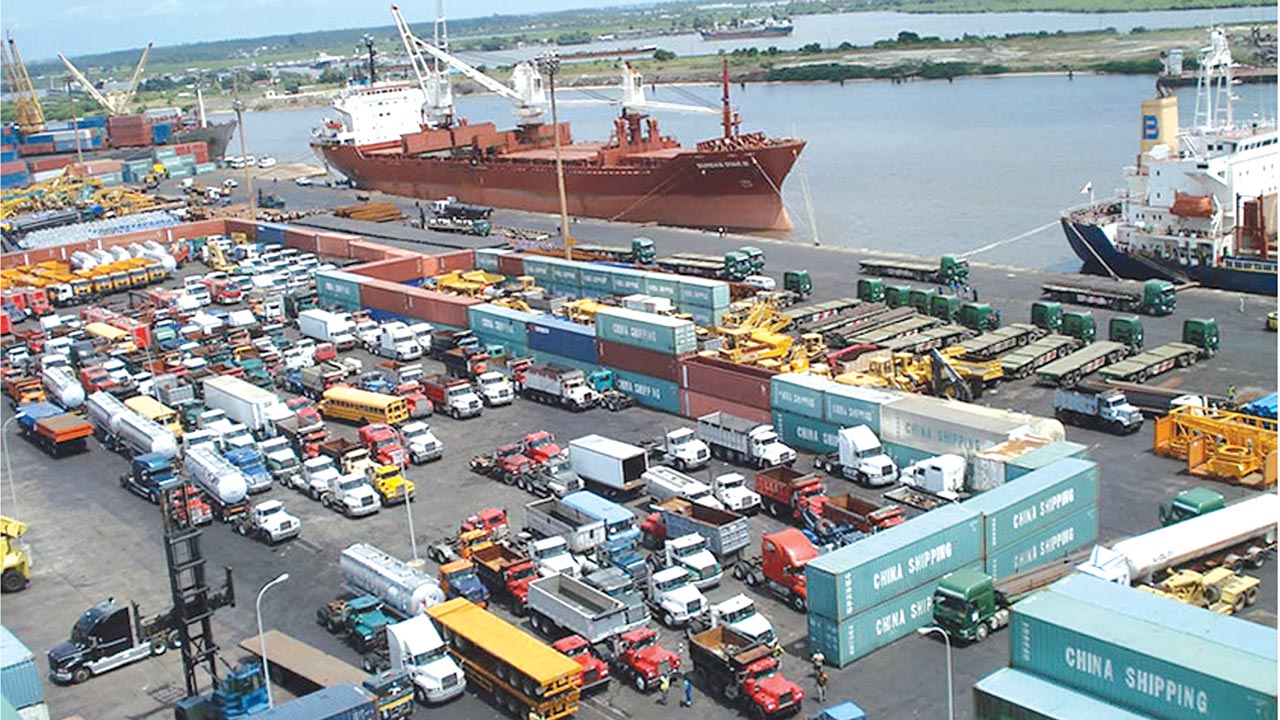
LAGOS — Nigeria’s trade infrastructure faced a high-stakes test in the final quarter of 2025. According to the latest Foreign Trade in Goods report for Q4 2025, the nation’s maritime and land gateways processed a staggering volume of cargo, reflecting the country’s continued dependence on sea-borne trade for both its oil wealth and its industrial inputs.
While the “Big Three” ports in Lagos continue to dominate, the data reveals a growing shift toward Eastern ports and a revitalized role for land borders in the wake of regional trade agreements.
The 2025 Gateway Leaderboard (Q4)
The ranking is based on the total value of goods (imports and exports combined) processed through each customs port.
| Rank | Port / Gateway | Primary Role | % of Total Trade |
| 1 | Apapa Port, Lagos | Multi-purpose / Industrial | 38.5% |
| 2 | Tin Can Island, Lagos | RoRo (Vehicles) / Consumer Goods | 22.1% |
| 3 | Port Harcourt (Onne), Rivers | Oil & Gas / Heavy Machinery | 14.8% |
| 4 | Lekki Deep Sea Port, Lagos | Transshipment / Modern Tech | 9.2% |
| 5 | Murtala Muhammed Airport | High-value / Perishables | 5.4% |
| 6 | Warri Port, Delta | Energy / Regional Trade | 3.1% |
| 7 | Seme Border | Land Trade (West Africa) | 2.2% |
| 8 | Calabar Port | Bulk Cargo / Cement | 1.8% |
| 9 | Port Harcourt Area 1 | General Cargo | 1.5% |
| 10 | Kano (Mallam Aminu) Airport | Agro-exports / Northern Trade | 1.4% |
The “Deep Sea” Disruptor: Lekki’s Surge
The standout performer of 2025 was the Lekki Deep Sea Port. Now in its third year of full operations, the port has successfully captured nearly 10% of Nigeria’s total trade volume.
Its ability to handle “Post-Panamax” vessels—ships far larger than those that can enter Apapa—has reduced the need for transshipment through neighboring Cotonou or Lome, saving Nigerian importers millions in diversion fees.
The Eastern Revival: Onne Port
Onne Port in Rivers State has solidified its position as the “Energy Capital” gateway. In Q4 2025, it handled 14.8% of total trade, driven by the export of Liquefied Natural Gas (LNG) and the import of specialized equipment for the deep-water oil fields.
The port’s growth is a key indicator of the “Decade of Gas” policy yielding physical trade results.
Trade Composition: What’s Moving Where?
1. Export Gateways (The Revenue Earners)
- Apapa and Onne remain the kings of exports. Apapa handled the bulk of Nigeria’s ₦12.36 trillion non-oil exports (cocoa, sesame, and solid minerals), while Onne managed the lion’s share of petroleum-related outflows.
2. Import Gateways (The Consumer Feeders)
- Tin Can Island remains the primary entry point for Nigeria’s vehicle imports and containerized consumer electronics. Despite high clearing costs, the port’s proximity to the Lagos commercial hub makes it indispensable.
3. The Land Border Factor
- Seme Border saw a significant uptick in activity in Q4 2025. This is attributed to improved customs automation and the easing of trade restrictions within the ECOWAS region, allowing Nigerian manufacturers to export more “Made-in-Nigeria” fast-moving consumer goods (FMCG) to West African neighbors.
Nigeria’s trade efficiency
Nigeria’s trade efficiency is currently a tale of two realities: high-tech progress at the Lekki Deep Sea Port and ongoing logistical bottlenecks at Apapa.
As the government pushes for a ₦152 trillion total trade volume in 2026, the focus must shift toward “multimodal” connectivity—ensuring that the rail lines currently serving Apapa are replicated at Onne and Lekki to prevent the port gate from becoming a national choke point.