










LAGOS — As the 2026/2027 academic session approaches, the cost of premium education in Nigeria has reached new heights.
Driven by inflationary pressures, the high cost of maintaining international standards, and the “dollarization” of elite curricula, the nation’s top-tier private schools have adjusted their tuition to reflect the current economic reality.
According to the latest data compiled, the most expensive schools in the country now charge fees that rival mid-range universities in the United Kingdom and United States.
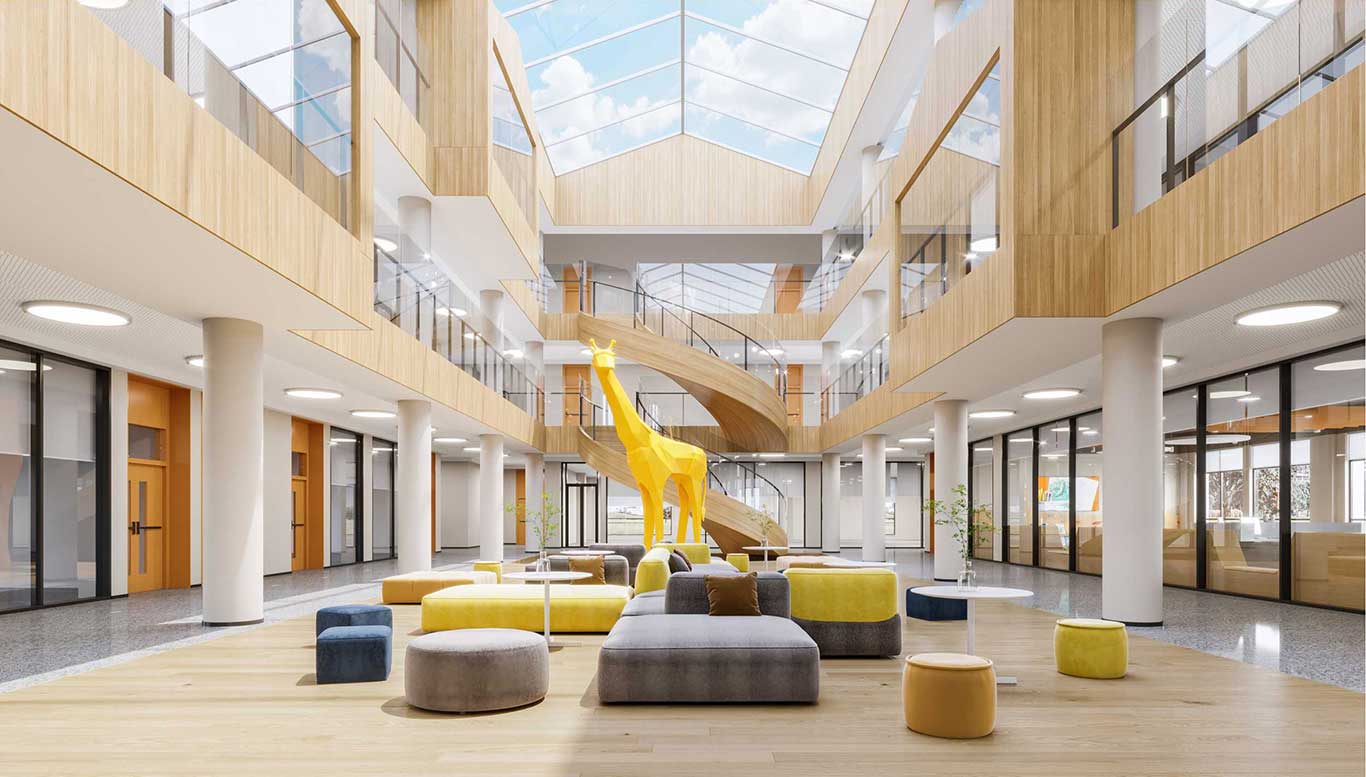
These institutions offer more than just classrooms; they provide world-class sporting facilities, international exchange programs, and a direct pipeline to Ivy League and Russell Group universities.
The 2026 Leaderboard: Top 10 Schools by Annual Tuition
The figures below represent the total annual package for a new boarding student in senior secondary school, including tuition, boarding, uniforms, and administrative levies.
| Rank | School Name | Location | Estimated Annual Fees (2026) |
| 1 | American International School (AISL) | Lagos | ₦45.5 Million |
| 2 | British International School (BIS) | Lagos | ₦38.2 Million |
| 3 | Lekki British International School | Lagos | ₦32.0 Million |
| 4 | Day Waterman College | Abeokuta | ₦28.5 Million |
| 5 | Grange School | Lagos | ₦26.8 Million |
| 6 | Green Springs School | Lagos | ₦22.5 Million |
| 7 | Atlantic Hall | Poka-Epe | ₦19.2 Million |
| 8 | Hillcrest School | Jos | ₦17.5 Million |
| 9 | Loyola Jesuit College | Abuja | ₦16.8 Million |
| 10 | Whiteplains British School | Abuja | ₦15.5 Million |
Why the “Seven-Figure” Price Tag?
For parents paying these fees, the investment is justified by several “premium” factors that standard private schools cannot replicate:
1. International Accreditation & Curricula
Most schools on this list offer the International Baccalaureate (IB) or the Cambridge IGCSE. Maintaining these accreditations requires paying royalties in foreign currency and hiring expatriate teachers whose salaries are often pegged to the Dollar or Euro.
2. The “Networking” Asset
In elite Nigerian circles, these schools serve as the ultimate networking ground. Students aren’t just learning algebra; they are building lifelong connections with the children of the continent’s most powerful political and business dynasties.
3. Infrastructure and Security
With rising security concerns in 2025 and 2026, these schools have invested heavily in “smart campus” security, including biometric access, 24/7 surveillance, and private security details. Facilities often include Olympic-sized swimming pools, professional-grade recording studios, and equestrian centers.
The “Dollar-Link” Effect
In early 2026, many of these schools shifted to a variable pricing model.
While the government discourages charging in foreign currency, several top-tier schools have introduced “indices” that allow fees to be adjusted if the Naira fluctuates beyond a certain threshold against the USD.
This ensures they can continue to import educational tech and laboratory equipment without going bankrupt.
Is the ROI Worth It?
Critics argue that the “education gap” in Nigeria is widening into a chasm.
However, proponents point to the success rates: over 95% of graduates from these top 10 schools secure admissions into top-50 global universities, often with significant scholarships based on the strength of their extracurricular portfolios.
Education in Nigeria
Education in Nigeria has become a tiered product. While the public sector struggles with funding, the elite private sector is thriving as a “sovereign service” for those who can afford it.
At ₦45.5 million per year, the American International School of Lagos remains the undisputed king of luxury education, proving that for Nigeria’s ultra-wealthy, no price is too high for a global head start.