
























ABUJA — In a major policy announcement that brings significant relief to both the corporate private sector and everyday consumers, the Federal Government of Nigeria has explicitly ruled out the implementation of any new taxes on petroleum products or telecommunications services.
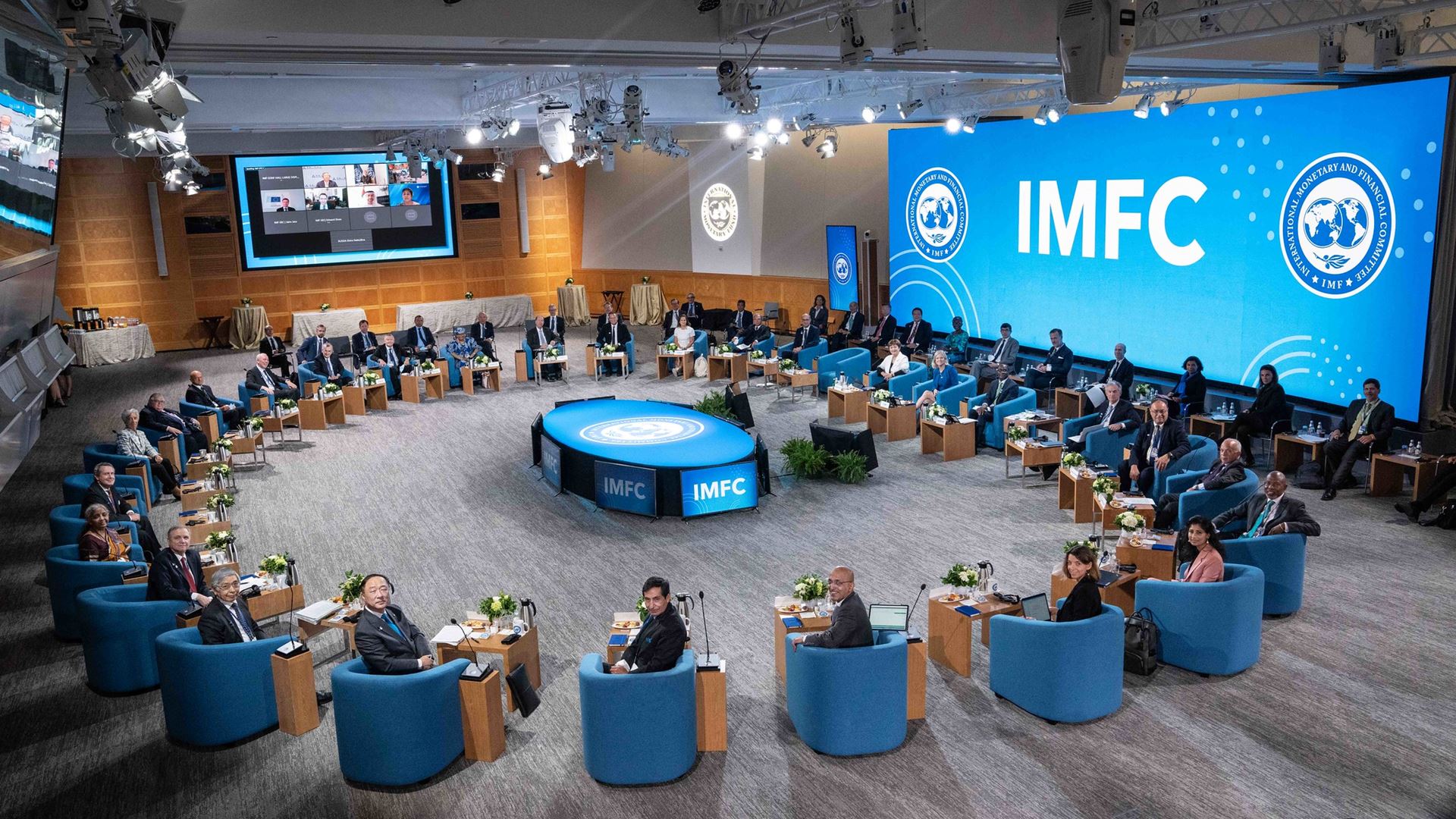
The official declaration, issued on June 17, 2026, comes as a direct response to policy recommendations contained in the latest International Monetary Fund (IMF) Article IV Consultation report.
While the IMF strongly advocated for an aggressive expansion of the domestic tax base—specifically proposing consumption-linked surcharges on fuel and mobile data to plug fiscal deficits—the government has drawn a firm line, prioritizing macroeconomic stability and consumer purchasing power over further austerity.
The Strategic Calculation: Why the Government Said No
The decision by the administration to reject the IMF’s tax proposals is a calculated political and economic maneuver designed to protect a fragile, recovering economy.
- Insulating the Squeezed Consumer: As captured in recent economic analyses, the Nigerian consumer is currently navigating a highly challenging financial environment. While headline inflation saw a major drop to 15.93% in May, prices remain structurally high due to previous fuel subsidy removals and electricity tariff adjustments. Adding a fresh tax layer on fuel and data would have triggered an immediate cost-of-living backlash.
- Protecting the Telecom Engine: Telecommunications and information services remain the bedrock of Nigeria’s non-oil growth, expanding by 12.24% in Q1 2026. Imposing new sector-specific excise duties would artificially suppress data usage, stifle small-scale digital entrepreneurs, and slow down the nationwide adoption of automated business workflows.
- The $65 Crude Reality: Following the historic U.S.–Iran peace accord, global oil prices have stabilized in the $65–$70 range. While this compression reduces nominal government oil revenues, it has simultaneously slashed the landing cost of imported refined fuel. The government believes that the fiscal relief from lower fuel import costs minimizes the urgent need to levy aggressive taxes on citizens.
Alternative Revenue Generation: Expanding the Base, Not the Rate
Instead of adding new tax burdens to critical sectors, the Federal Inland Revenue Service (FIRS) and the Ministry of Finance are shifting their strategy toward structural optimization and curbing leakages.
                  ┌──────────────────────────────────────────┐
                  │   IMF Proposal: New Fuel & Data Taxes    │
                  └────────────────────┬─────────────────────┘
                                       │
                                   [REJECTED]
                                       │
                  ┌────────────────────▼─────────────────────┐
                  │     FIRS Pivot: Structural Efficiency     │
                  └────────────────────┬─────────────────────┘
                                       │
         ┌─────────────────────────────┼─────────────────────────────┐
         ▼                             ▼                             ▼
[Digital Economy Taxation]   [Luxury Property Surcharges]  [Automated Enforcement]
The 2026 Revenue Focus Areas:
- Digital Economy Invoicing: Rather than taxing local telecom access, the government is intensifying efforts to effectively collect Value Added Tax (VAT) from cross-border digital service providers, e-commerce giants, and international streaming networks operating within the Nigerian digital airspace.
- Automated Tax Enforcement: Leveraging advanced CRM architectures, API integrations, and data analytics to flag under-reported corporate earnings without raising statutory tax rates.
- High-Value Sector Re-ratings: Utilizing data from the solid minerals sector (which grew by 23.41% in Q1) and luxury urban property assets to ensure that high-net-worth entities contribute proportionately to the national treasury.
Corporate and Investment Implications
The government’s decision to rule out these taxes provides an immediate boost to corporate planning for the second half of 2026.
- Logistics and Manufacturing Relief: With fuel taxes off the table, transport operators and manufacturing firms can lock in stable haulage costs along major AfCFTA corridors. This predictability is vital for businesses looking to protect their profit margins under the current 26.5% Monetary Policy Rate (MPR).
- Data-Driven Tech Scale-ups: For tech entrepreneurs specializing in automated lead generation, fintech applications, and programmatic workflows, the tax exemption guarantees that operational data overheads will not experience an artificial spike. This aligns perfectly with the current push to equip Nigerian youth with high-frontier digital skills.
- Infrastructure Resilience: Businesses that are actively migrating their operations to independent Solar-Hybrid systems to bypass volatile electricity grids can continue to use fuel-powered backups cost-effectively during prolonged weather variations, without worrying about an impending fiscal penalty at the pump.
The Fiscal Outlook
By standing firm against the IMF’s tax recommendations, the federal government has signaled that it values consumer confidence and industrial productivity as the primary engines for long-term sustainable growth.
As the economy continues its disinflationary path through the mid-2026 cycle, this tax freeze offers a vital breathing room for the real sector. The focus now shifts entirely to the FIRS to prove that it can successfully meet national budget targets through aggressive efficiency and compliance enforcement, rather than relying on blunt-force sector taxation.