
























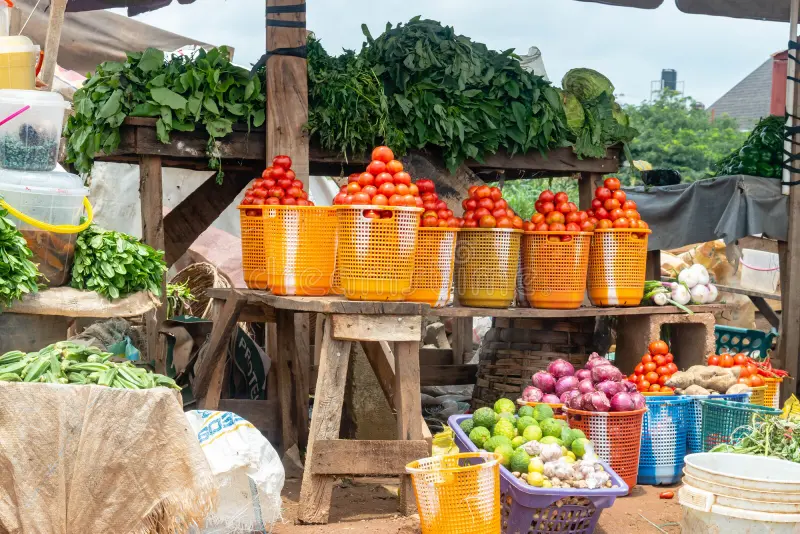
ABUJA — In a historic turn for the Nigerian economy, food inflation has officially dropped to a single-digit rate of 8.89% for January 2026. This represents the lowest level recorded in over 14 years, offering a massive sigh of relief to households that have weathered years of relentless price hikes.
According to the latest Consumer Price Index (CPI) report released by the National Bureau of Statistics (NBS) on February 16, 2026, the sharp decline marks a significant departure from the double-digit pressures that have defined the market since May 2015.
The Data: A Month of Deflation
The January 2026 report highlights a rare phenomenon in the Nigerian food market: month-on-month deflation. While prices usually climb following the holiday season, food inflation for the month stood at -6.02%, indicating an actual drop in the average cost of staples compared to December 2025.
Key Price Decliners (January 2026):
- Staples: Water Yam, Cassava Tuber, and Maize (Corn) grains.
- Proteins: Eggs and Beef.
- Oil & Legumes: Groundnut Oil, Palm Oil, Soya Beans, and Beans.
- Vegetables: Green Peas and Melon (Egusi).
Why Is Inflation Crashing?
Economists attribute this “winning streak” to a combination of aggressive policy reforms and favorable market conditions:
1. The Currency Gain
The Naira gained 7.82% in January, averaging ₦1,416.52/$ in the official market. This appreciation has directly slashed the landing cost of imported food components and agricultural inputs, easing the “FX-pass-through” effect that previously drove prices upward.
2. Import Waivers & Logistics
The Federal Government’s 150-day import duty waiver on essential grains has finally reached full saturation in the market. By removing the fiscal barriers to food entry and easing logistics bottlenecks, the supply of grains like wheat and maize has surged, stabilizing domestic prices.
3. The “Base Effect” & Rebasing
In 2025, the NBS rebased the CPI, using 2024 as the new base year. This technical adjustment—comparing today’s prices against a higher 2024 baseline—has helped “normalize” the data, making the moderation in price increases more visible in the official percentages.
4. Energy Price Stability
Following the Dangote Refinery’s price reduction in late 2025, PMS (petrol) prices remained stable around ₦739.00 per litre in January. Lower transport costs for moving food from Northern farm belts to Southern urban centers have been a critical factor in the retail price drop.
Regional Performance: The Highs and Lows
Despite the national average hitting a single digit, the cost of living still varies significantly across state lines:
| Category | States with Highest Food Inflation | States with Lowest Food Inflation |
| State | Kogi (19.84%), Benue (18.38%) | Ebonyi, Abia, Imo |
| Context | Logistics and localized security issues remain. | Benefit from strong internal harvest and stable supply lines. |
Progress For Nigeria
Nigeria has successfully aligned itself with regional peers like Kenya (7.8%) and Ghana (3.9%), moving away from the “inflation outlier” status it held in 2024.
For the Central Bank of Nigeria (CBN), this data provides “breathing room” ahead of the February 23rd MPC meeting, where many analysts expect a potential interest rate cut to support broader economic growth.