
























The Nigerian banking giant just pulled off another strategic masterstroke, and it’s becoming clear that Access Bank isn’t just expanding—it’s conquering.
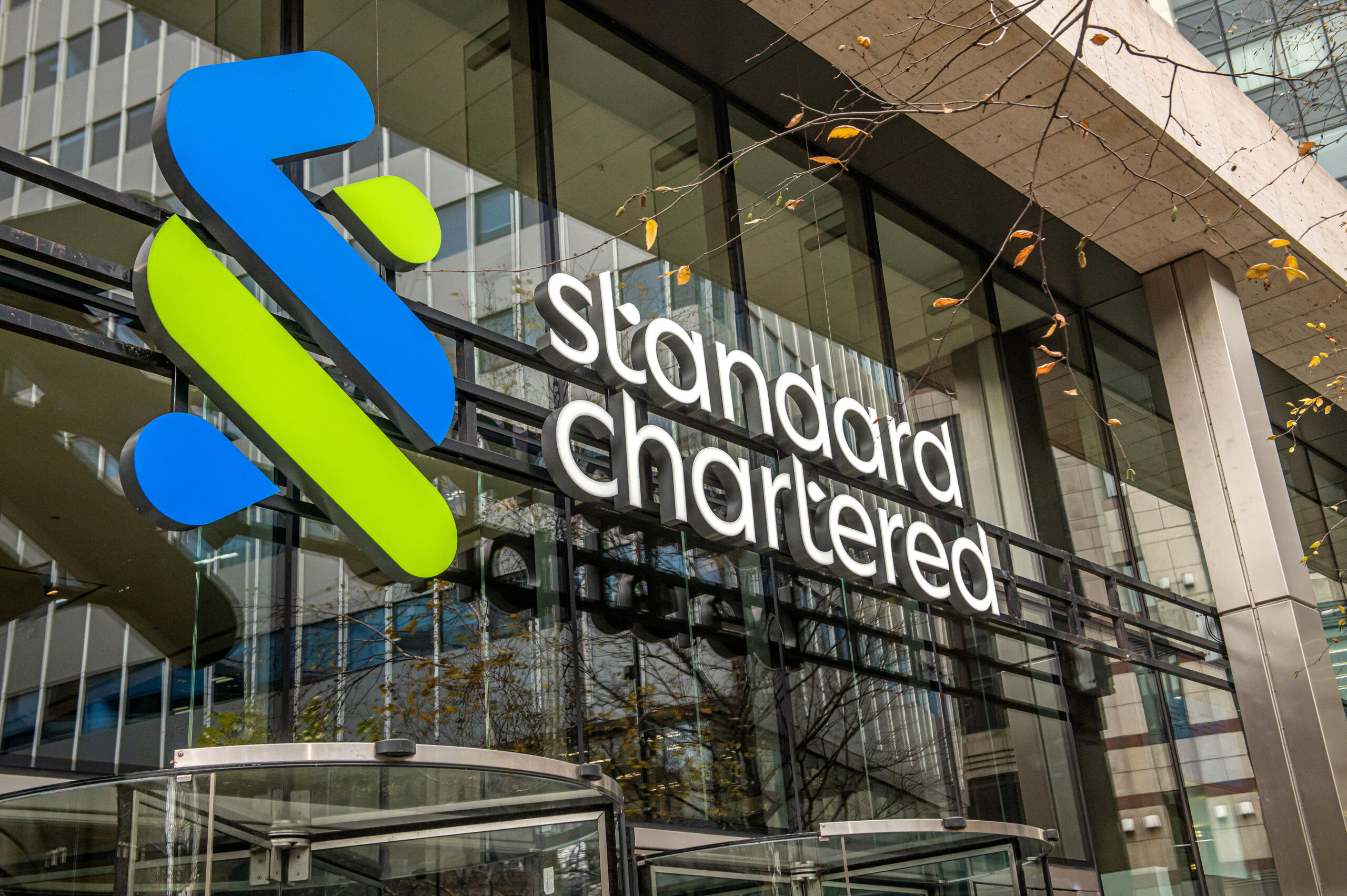
Access Bank has done it again. The Nigerian financial powerhouse has successfully acquired Standard Chartered’s consumer, private, and business banking operations in Tanzania, and honestly, at this point, we shouldn’t be surprised.
This isn’t just another acquisition—it’s another calculated move in what’s becoming the most ambitious African banking expansion we’ve ever witnessed.
The deal, finalized on June 23, 2025, represents far more than a simple transaction. It’s a statement of intent from a bank that’s rewriting the rules of African finance.
When Access Bank announced this acquisition through their Tanzania Instagram handle on Monday, they weren’t just making a business announcement—they were declaring their vision for the continent’s financial future.
“This strategic move significantly expands our capacity to offer inclusive, digitally-driven financial services across Tanzania, East Africa, and beyond,” the bank stated, and frankly, that’s exactly the kind of confidence we’ve come to expect from Access Bank’s leadership.
The Numbers Don’t Lie: Access Bank’s Unstoppable Growth
Access Bank isn’t just growing—it’s dominating. In Nigeria alone, the bank has established itself as an absolute force, consistently ranking among the top five banks by assets, deposits, and profitability.
Their 2024 results were nothing short of spectacular, with gross earnings exceeding ₦2.5 trillion and profit after tax surpassing ₦400 billion. These aren’t just impressive numbers—they’re the foundation of a continental empire.
But here’s what really sets Access Bank apart: their acquisition strategy is surgical, purposeful, and relentless. The Tanzania deal is just the latest in a string of strategic purchases that have positioned them as Africa’s most aggressive financial expansion story.
They’ve already absorbed BancABC Tanzania in 2024, and now they’re merging that with Standard Chartered’s operations to create what they’re calling “an enlarged, stronger franchise.”
The math is simple, and it’s staggering. With each acquisition, Access Bank isn’t just adding customers—they’re adding entire markets, entire ecosystems, entire futures.
Standard Chartered’s Strategic Retreat: One Bank’s Exit, Another’s Opportunity
Standard Chartered’s decision to divest from Tanzania isn’t happening in isolation. The British banking giant has been systematically withdrawing from sub-Saharan Africa, having already sold operations in Angola, Cameroon, The Gambia, and Sierra Leone.
Herman Kasekende, CEO of Standard Chartered Tanzania, called this transition “a pivotal moment,” but honestly, it feels more like the end of an era.
“This transition represents a pivotal moment for Standard Chartered as we refocus our efforts on our core strengths,” Kasekende commented, and there’s something almost melancholic about those words.
Standard Chartered, once a dominant force across Africa, is retreating to focus on corporate and investment banking, leaving the retail battleground to hungrier, more agile competitors.
And Access Bank? They’re not just hungry—they’re voracious.
The Regulatory Tightrope: Navigating Nigeria’s New Rules
Here’s where things get interesting, and frankly, a bit dramatic. The Central Bank of Nigeria recently issued a directive that would normally halt exactly this kind of foreign acquisition.
Banks under regulatory forbearance were instructed to suspend foreign investments, defer executive bonuses, and focus on domestic capital strengthening. It’s the kind of regulatory curveball that could derail expansion plans.
But Access Bank saw this coming. They’ve pledged to exit the CBN’s regulatory forbearance by June 30, 2025, and they’ve already surpassed the new capital requirement of ₦500 billion.
It’s like watching a chess grandmaster who’s already planned their next five moves while their opponent is still considering their options.
“Access Holdings is clearly trying to send a signal of strength,” noted Lagos-based financial analyst Ifeanyi Ezeanya, and he’s absolutely right. This isn’t just compliance—it’s dominance through preparation.
The Pan-African Vision: More Than Just Banking
What makes Access Bank’s expansion so compelling isn’t just the scale—it’s the vision. They’re not simply buying banks; they’re building a financial ecosystem that spans the continent.
Kenya, South Africa, Rwanda, Mozambique, the United Kingdom, and now Tanzania—each acquisition adds another piece to a puzzle that’s starting to look like African financial integration.
The bank’s promise to “drive innovation, deepen financial inclusion, and unlock economic potential for the benefit of all Tanzanians” isn’t just marketing speak. It’s a manifesto for how modern African banking should work. Digital-first, inclusive, and unapologetically ambitious.
Can Access Bank Become Africa’s Banking Titan?
The question isn’t whether Access Bank can compete with Africa’s biggest banks—it’s whether they’re already there. In Nigeria, they’re consistently ranked among the top five, but their pan-African footprint is what sets them apart.
Standard Bank, FirstBank, Zenith Bank, and GTBank are all formidable competitors, but none have pursued continental expansion with Access Bank’s systematic intensity.
The numbers suggest something remarkable is happening. Access Bank’s total assets have grown exponentially with each acquisition, their customer base spans multiple countries, and their digital infrastructure is becoming increasingly sophisticated.
They’re not just participating in African banking—they’re reshaping it.
What This Means for African Finance
This acquisition represents something bigger than corporate strategy—it’s a glimpse into the future of African finance.
When Access Bank talks about being “Africa’s gateway to the world,” they’re not just describing their business model; they’re articulating a vision for how African financial institutions can compete globally.
The integration of Standard Chartered’s Tanzania operations with BancABC Tanzania creates a template for how strategic acquisitions can build regional dominance. It’s about combining local expertise with continental scale, digital innovation with traditional banking strength.
The Road Ahead: Challenges and Opportunities
Access Bank’s expansion isn’t without risks. Regulatory environments differ across countries, currency fluctuations can impact profitability, and integration challenges are always present when combining different banking cultures.
But frankly, they’ve navigated these challenges before, and their track record suggests they’ll continue to do so successfully.
The real opportunity lies in Africa’s underbanked population. With over 400 million adults across the continent lacking access to formal financial services, Access Bank’s expansion represents more than growth—it represents transformation.
A New Era of African Banking
Access Bank’s acquisition of Standard Chartered Tanzania operations isn’t just another deal—it’s a declaration. They’re not content to be Nigeria’s banking leader; they want to be Africa’s banking leader.
And honestly, based on their systematic approach to expansion, their financial strength, and their unwavering commitment to continental growth, they might just achieve it.
The question for other African banks isn’t whether they can compete with Access Bank’s expansion strategy—it’s whether they can afford not to. Because while they’re debating strategy, Access Bank is already executing their next acquisition.
In the rapidly evolving landscape of African finance, Access Bank isn’t just keeping pace—they’re setting it.
And for the millions of Africans who will benefit from improved financial services, expanded access to credit, and innovative digital banking solutions, that’s exactly the kind of leadership the continent needs.
The Standard Chartered Tanzania deal is done. The next acquisition is probably already in the works. And Access Bank’s march toward African banking dominance continues, one strategic move at a time.