

























The Anderson-Broad Era is Dead. Long Live… Who Exactly?
Let’s be brutally honest here – what we’re witnessing at The Oval isn’t just the fifth Test of a gripping series. It’s England’s most naked exposure to life after their bowling gods. Wednesday marked James Anderson’s 43rd birthday.
Thursday? Well, Thursday marks two years since Stuart Broad’s farewell. And frankly, the timing couldn’t be more poetic – or terrifying – for England.
Here’s the thing about legends: they don’t just take their wickets with them when they retire. They take their reliability, their game management, their ability to bowl 25 overs on a hot day without looking like they’d rather be anywhere else.
Between them, Anderson and Broad claimed 1,308 Test dismissals. That’s not just a number – it’s institutional memory walking out the door.
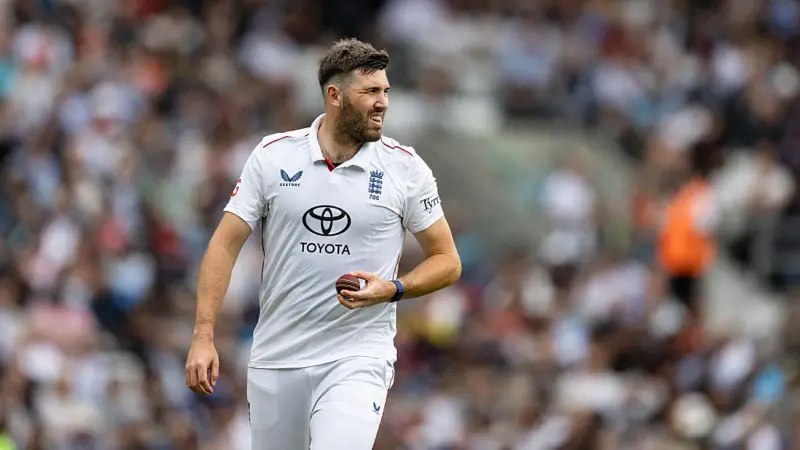
The brutal math? England’s current attack has bowled 691.2 overs across four Tests. Josh Tongue’s 81 overs represent just 11% of that workload. Chris Woakes, at 36, is suddenly the elder statesman of an attack that’s basically learning to walk while running a marathon.
India’s Quiet Confidence vs England’s Desperate Gamble
India’s Strengths: The Art of Patience
India didn’t get to 2-1 down by accident, but they sure as hell didn’t get there by being outclassed either. Their batting lineup remains formidable, even with the early stumbles we witnessed today. KL Rahul’s dismissal was disappointing – “not a great shot,” as the commentators politely put it – but it was more about momentary lapse than systemic failure.
Shubman Gill’s early arrival at the crease while the clouds are low and the ball is moving? That’s exactly the kind of test that separates good teams from great ones. The kid’s got technique, temperament, and most importantly, time on his side.
The key insight? India’s 25% false shot rate in the first 15 overs might look concerning, but it’s actually the second-highest in the series. This suggests England’s bowling is finally finding some rhythm – or India’s batsmen are feeling the pressure of needing to win.
England’s Gamble: Fresh Legs, Untested Hearts
Here’s where it gets interesting. England have essentially thrown their entire bowling philosophy into a blender and hit “puree.” Jofra Archer and Brydon Carse are resting due to workload management – a phrase that would have made Anderson and Broad chuckle darkly.
Those two played all five matches in nine and ten different series respectively. Different generation, different bodies, different world.
Josh Tongue was dropped after being the series’ leading wicket-taker with 11 at 33.63. Let that sink in for a moment. Your best bowler gets benched, then recalled when everyone else breaks down. If that’s not a perfect metaphor for England’s current bowling situation, nothing is.
Gus Atkinson, meanwhile, was deemed too risky for Surrey’s second team but apparently just right for a series decider at The Oval. Jamie Overton hasn’t played a Test since 2022. This isn’t squad rotation – it’s bowling by committee with a committee that barely knows each other’s names.
The Pitch Report: Where Hope Goes to Die
The Oval deck has “extra live grass” according to the reports, which sounds promising until you remember that promising pitches and England’s new-look bowling attack have had a complicated relationship this series. Five days of low cloud are forecast, which should help the seamers, but only if they can maintain consistent line and length.
The reality check? Ben Stokes, the standout bowler of the series, can’t bowl due to a grade three shoulder tear. That’s not just losing your captain’s bowling – that’s losing the one guy who could drag performance out of others through sheer bloody-mindedness.
Match Analysis: The Numbers Don’t Lie (But They Don’t Tell the Whole Truth Either)
What the Stats Say:
- India managed complete control on just 4% of deliveries faced
- England’s bowling lacks discipline (see: Tongue’s wayward first over)
- The series has been a war of attrition, with both teams showing cracks
What the Stats Don’t Say:
- Momentum is a real thing, and it’s swinging
- Pressure creates opportunities, but it also creates mistakes
- Fresh legs matter, but so does match sharpness
The Likely Winner: A Case for Controlled Chaos
England’s Path to Victory (40% chance): They need their bowling attack to gel immediately. Woakes must channel his inner Anderson, Atkinson needs to justify the hype, and Tongue has to forget his awful opening over. The pitch conditions favor them, and playing at home with backs against the wall historically brings out England’s best.
But here’s the kicker – they’re essentially asking three bowlers to do the job of five. That’s not sustainable over five days unless India gift them wickets.
India’s Path to Victory (60% chance): Patience. Pure, unadulterated patience. Let England’s inexperienced attack bowl themselves into the ground. Build partnerships, make the new ball count for nothing, and watch as the pressure of replacing legends finally crushes England’s spirit.
India’s batting lineup, even down early wickets, has the technique and temperament to outlast England’s enthusiasm. They’ve been in this position before – behind in series, written off, counted out. They’ve also got the better bowling attack when it’s their turn.
The Verdict: England’s Magnificent Gamble
This match represents everything bold and potentially brilliant about English cricket’s post-Anderson-Broad era. They’ve chosen to trust youth over experience, potential over proven quality, hope over harsh reality.
Will it work? Probably not. The mathematics of replacing 1,308 wickets with a committee of promising unknowns doesn’t add up.
Should they have tried it? Absolutely. Because the alternative – clinging to aging legs and declining skills – would have been worse.
The real winner? Cricket itself. We’re watching the birth of a new era, and birth is always messy, always painful, and occasionally miraculous.
England might lose this Test, might even lose this series. But they’re finally, genuinely, moving forward. And sometimes, that’s victory enough.
The scoreboard shows India at 58-2, but the real score is England’s Future 0, England’s Past 1,308. The question isn’t who wins this match – it’s whether England can finally break even.