















The knock came at dawn on July 9th, 2006. EFCC officers broke down the gates of Mike Adenuga’s Lagos mansion, swarming the property like a military operation.
The telecommunications mogul—then fighting to launch what would become Globacom—was placed under house arrest while investigators ransacked his home.
Most billionaires would have folded. Adenuga didn’t even flinch.
“Your Excellency, I understand, thank you,” he told President Obasanjo months later during a chance encounter at a Paris hotel, his voice carrying the quiet confidence of a man who’d already won the game before anyone realized they were playing.
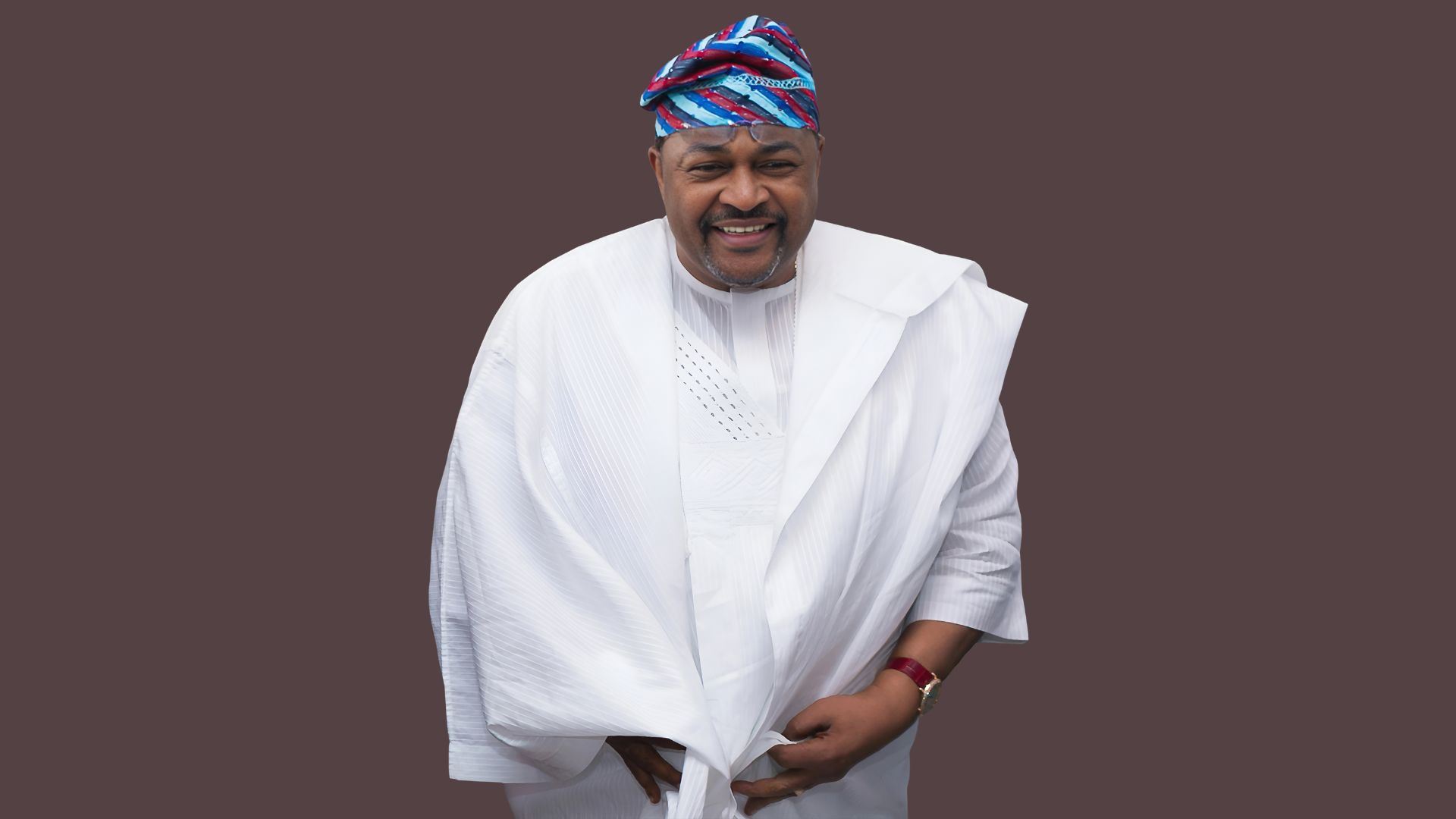
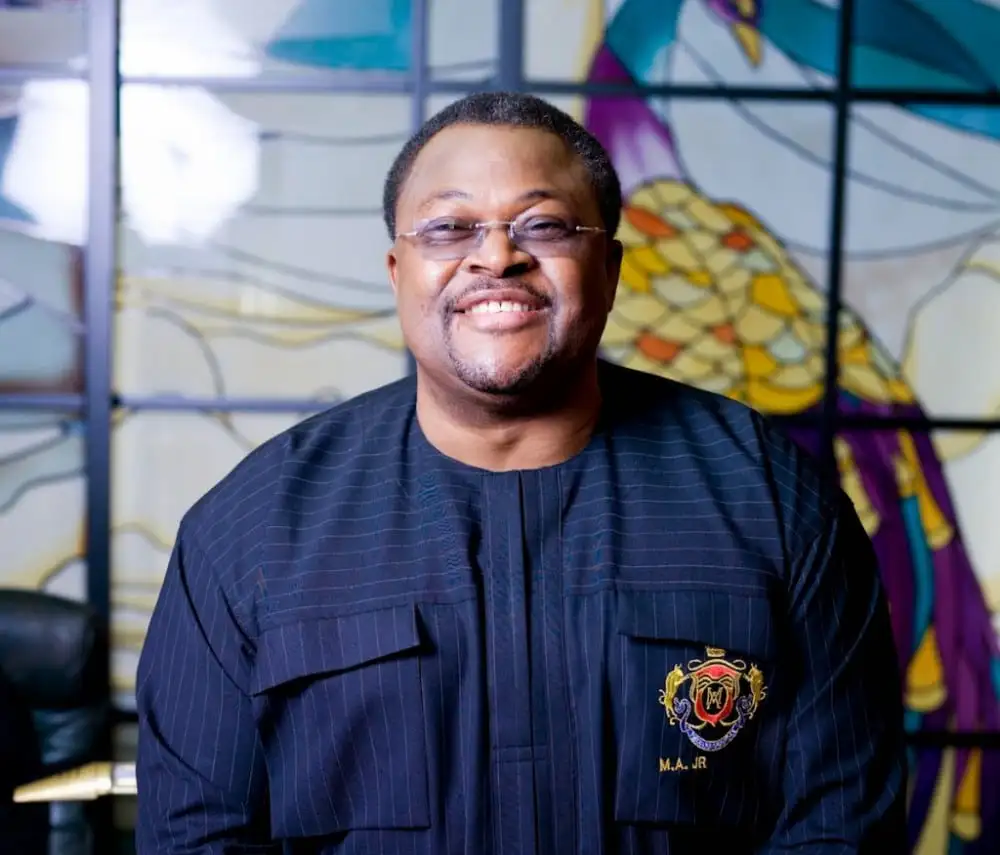
Today, at 72, Dr. Mike Adenuga Jr. stands as arguably Africa’s most successful indigenous businessman—a man who turned a $100 million oil gamble into a multi-billion dollar empire that spans telecommunications, energy, banking, and beyond.
His Globacom network serves over 60 million subscribers across West Africa. His oil company was the first Nigerian firm to strike black gold in commercial quantities. His submarine cable connects Africa to the world. And this has created several opportunies for millions of people.
Yet for all his success, Adenuga remains an enigma. He’s the billionaire who still works 20-hour days. The philanthropist who gives away Range Rovers like party favors. The strategist who hides his moves so well that competitors only realize they’ve been outmaneuvered when it’s too late.
“He’s like the proverbial Iroko tree,” says one longtime associate. “You can’t put him in the same category as anyone else.”
He doesn’t do interviews. He avoids cameras. When his daughter got married, guests were banned from taking photos. Yet Mike Adenuga Jr. has quietly become one of Africa’s most powerful business figures—and at 72, he’s far from finished.
The Taxi Driver’s Transformation
The story begins in 1953 in Ibadan’s Oke-Ado district, then the epicenter of Nigeria’s emerging elite. Young Mike grew up among the intellectual giants of his time—Chief Obafemi Awolowo lived nearby, as did Nobel laureate Wole Soyinka and countless other luminaries who would shape modern Nigeria.
But it was his mother, Chief Juliana Oyindamola Adenuga, who truly molded him. A shrewd businesswoman with royal Ijebu blood, she ran a thriving trading operation and made her children hawk goods after school.
“We didn’t come from a poor family,” recalls his sister Yetunde. “But our parents made us work and value hard work and money.”
The lesson stuck. When Adenuga arrived at Northwestern Oklahoma State University, he drove taxis to supplement his allowance—sometimes working crushing hours between classes.
His fellow students saw a foreign kid struggling to make ends meet. They missed the steel being forged in those late-night drives through Oklahoma’s empty streets.
By 26, he’d made his first million selling lace materials in Lagos.
The breakthrough came through pure chance—a missed British Airways flight forced him onto Swiss Air, where he sat next to an Austrian lace manufacturer who convinced him to try the business. “Mother luck smiled on him,” as he puts it, but luck only matters when you’re prepared to seize it.
The $100 Million Gamble
When General Ibrahim Babangida opened Nigeria’s oil sector to indigenous operators in 1990, most local businessmen saw it as a chance to flip licenses for quick profits. Adenuga saw something different: the opportunity to build something lasting.
Against his mother’s advice—the woman who taught him everything about business—he bet everything on oil exploration. Over $100 million vanished into the Niger Delta as his team drilled well after well, finding nothing but dry holes and mounting debts.
Then came December 24, 1991. Christmas Eve.
The call came at dawn: they’d struck oil. Consolidated Oil had become the first Nigerian company to discover commercial quantities of crude. In that moment, Adenuga transformed from a successful trader into a genuine titan of industry.
“You watch your competitors drill a thousand holes and find nothing,” he later reflected with characteristic understatement. “Then you find what they were looking for all along.”
The Telecommunications Revolution
Oil made Adenuga rich. Telecommunications made him a legend.
When Nigeria’s GSM licenses were auctioned in 2001, Adenuga lost his first bid—and $20 million in the process. Lesser men would have retreated. Adenuga doubled down, spending two years preparing for the next opportunity.
Globacom launched in 2003, two years behind its competitors. The disadvantage was deliberate.
While others raced to market with basic services, Adenuga’s team was building something revolutionary: per-second billing that would demolish the N50-per-minute standard and make mobile phones accessible to millions of ordinary Nigerians.
“He waged a price war,” remembers one industry veteran. “But it wasn’t just about price. It was about democratizing communication itself.”
The strategy worked beyond anyone’s wildest projections. Globacom signed up subscribers faster than any network in African history. SIM card prices crashed from N30,000 to N100. University students who couldn’t afford landlines suddenly had smartphones.
But Adenuga’s masterpiece was yet to come.
The Submarine Cable Gambit
In 2008, during a business trip to Paris, Adenuga discovered something that would change everything. Calls to Nigeria were consistently dropping, while connections to other European countries remained crystal clear. The reason? Nigeria lacked a dedicated submarine cable.
Most people would have filed a complaint. Adenuga saw a $250 million opportunity.
Three years later, at Glo, went live—a 9,800-kilometer submarine cable connecting Nigeria directly to Europe and America. It was the first submarine cable built entirely by a single African company, and it gave Globacom something no competitor could match: guaranteed connectivity.
The genius of the move became clear during recent cable cuts that crippled internet access across West Africa. While millions of users lost service, Globacom subscribers continued browsing, streaming, and working without interruption.
“It’s like owning the highway when everyone else is stuck in traffic,” explains one telecommunications analyst. “He doesn’t just play the game—he changes the rules.”
The Giving Machine
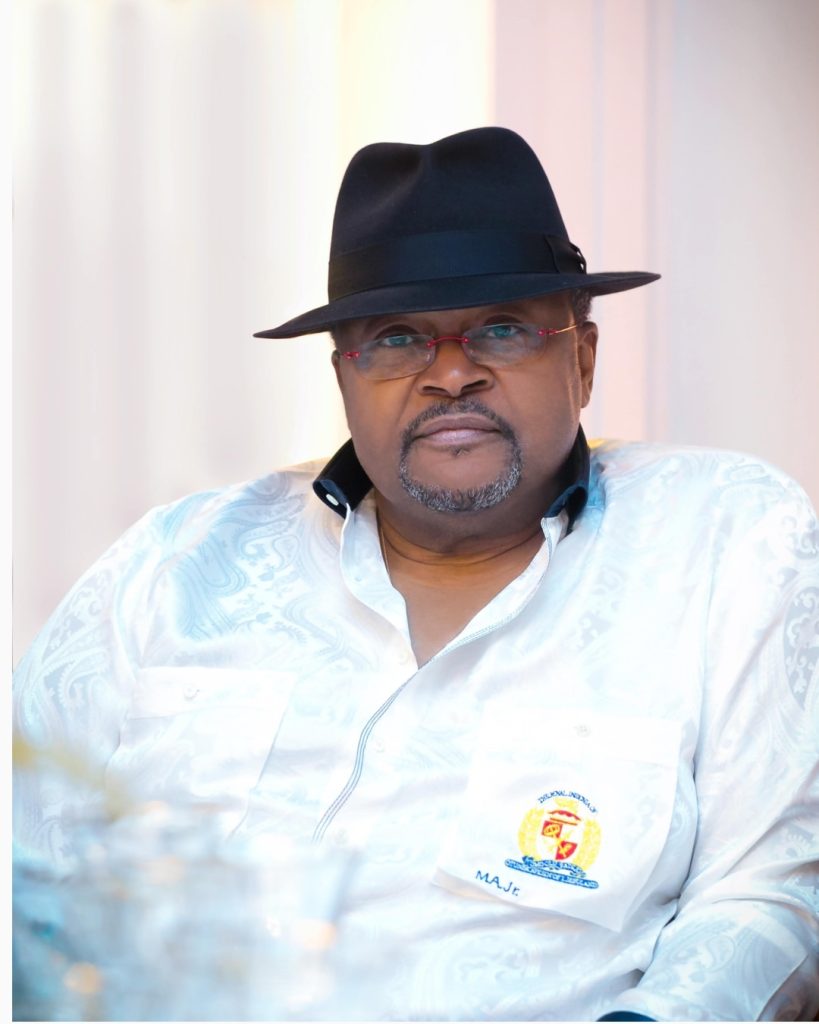
Success at Adenuga’s level brings choices. He could have become another detached billionaire, content to count his money from behind fortress walls. Instead, he became something rarer: a philanthropist with a personal touch.
The stories are legendary. Range Rovers given as casual gifts. A N1.5 billion donation to fight COVID-19 before anyone else stepped forward. The Mike Adenuga Centre for Alliance Française, built to strengthen Nigerian-French relations.
“He buys expensive cars in multiples,” recalls media mogul Dele Momodu. “I’ve been a beneficiary several times. I have a friend who got a Range Rover while his wife got another jeep. How nicer can one be?”
But it’s not just about the money. During the EFCC raid, when Adenuga was essentially under house arrest, he quietly continued paying salaries and supporting employees’ families.
When young entrepreneurs approach him for advice, he makes time. When disaster strikes anywhere in Africa, Globacom is usually among the first responders.
“How much money can one individual enjoy?” he asks. “You must spread it and touch lives. That’s what brings true happiness.”
The 24-Hour Empire
At 72, when most billionaires are planning their legacies, Adenuga is planning his next moves. His offices operate around the clock—there’s always someone available when inspiration strikes at 3 AM.
His daughter Bella, now Executive Vice Chairman of Globacom, receives daily briefings on operations across four countries.
The energy is infectious and exhausting. Staff members describe a boss who can work 20-hour days without breaking stride, who expects the same commitment from everyone around him.
“He hates the word impossible,” says one longtime executive. “When he gets a brain wave, his adrenaline pumps and he activates action immediately.”
Recent moves suggest the empire is far from complete. Globacom is expanding deeper into West Africa. Conoil is exploring new oil blocks. The submarine cable business is eyeing additional routes. And there are whispers of ventures in renewable energy and financial technology.
The French Connection
Perhaps nothing illustrates Adenuga’s long-term thinking better than his relationship with France. While other Nigerian businessmen chase quick deals, Adenuga has spent decades building genuine partnerships with French interests.
His investments in Alliance Française weren’t just about cultural exchange—they were about creating lasting bonds that would benefit both nations.
When President Emmanuel Macron awarded him the Chevalier de la Légion d’Honneur in 2019, it wasn’t just diplomatic courtesy. It was recognition of a man who’d become a bridge between Africa and Europe.
“You have contributed immensely to African and French economies,” Macron told him during the ceremony. “You are a true model of Africa.”
The Unfinished Symphony
So what’s next for Africa’s most enigmatic billionaire? Those close to him speak of a man still driven by the same hunger that made him successful at 26. The oil reserves are vast and largely untapped.
The telecommunications market across Africa remains fragmented and underdeveloped. The infrastructure needs are staggering.
“He’s not building a company,” observes one industry veteran. “He’s building a platform for African development.”
The evidence is everywhere. Glo didn’t just connect Nigeria to the world—it demonstrated that African companies could execute projects that Western firms considered impossible.
Globacom’s per-second billing didn’t just save customers money—it proved that African innovation could democratize technology.
Each success becomes a template for the next breakthrough. Each barrier broken shows other African entrepreneurs what’s possible.
The Legacy Question
Adenuga has achieved everything most people dream of. He’s built companies that will outlast him. He’s created jobs for millions. He’s connected Africa to the global economy in ways that seemed impossible just decades ago.
But for a man who still works 20-hour days, legacy isn’t about resting on past achievements. It’s about the next well to drill, the next cable to lay, the next barrier to break.
“The world is a field of battle,” he often says. “You must prepare to win, not sometimes, but all the time.”
At 70, Mike Adenuga Jr. is still preparing to win. Africa—and the world—should be watching.