





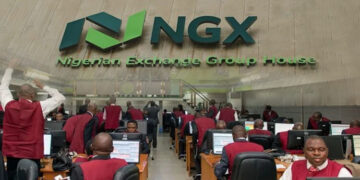











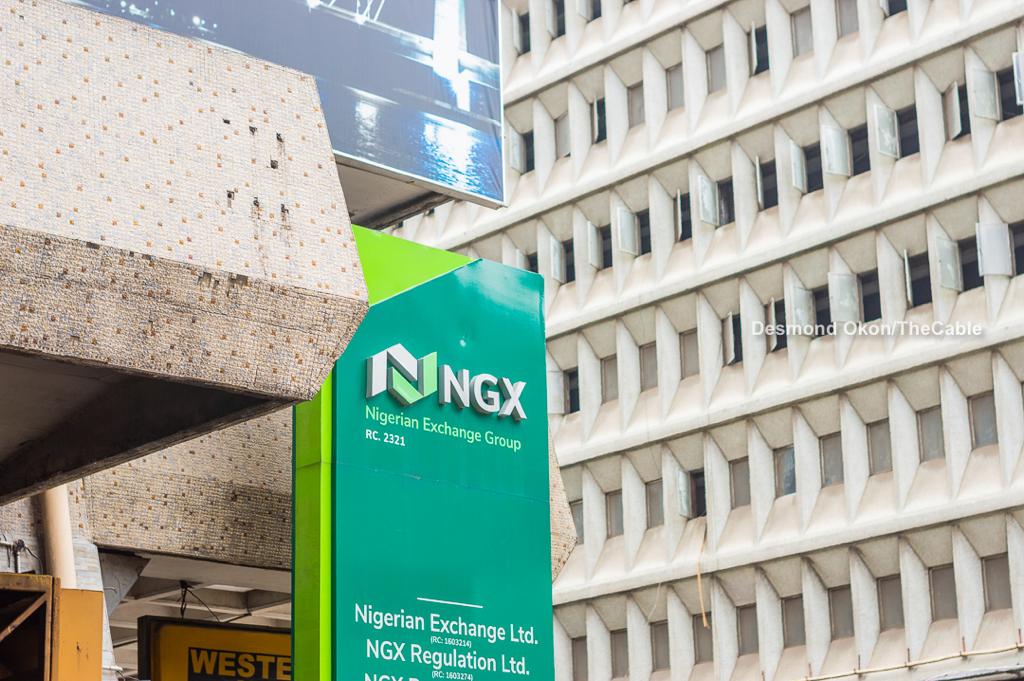
LAGOS — As the 2025 audited financial results flood the Nigerian Exchange (NGX), a growing tension is reaching a breaking point between the boardroom and the trading floor.
Despite record-breaking revenues across several sectors, a blistering analysis reveals a disturbing trend: a widening “wealth gap” between the lifestyle of corporate executives and the actual returns delivered to the everyday shareholder.
The phenomenon, dubbed the “Corporate Cover,” describes the practice of masking stagnant or declining shareholder value with high-profile corporate social responsibility (CSR) projects, excessive executive perks, and opaque “administrative” expenses.
The Great Disconnect: Luxury at the Top
The report highlights a paradox in the 2025 fiscal year. While many companies cited “macroeconomic headwinds” and “currency volatility” as reasons for slashing or skipping dividend payments, their internal expenditure told a different story.
- The Perk Paradox: Administrative expenses for the top 20 listed firms grew by an average of 34% in 2025. This includes the acquisition of high-end armored vehicles, private jet charters for “strategic meetings,” and multi-million naira “board retreat” expenses in cities like London and Dubai.
- The Remuneration Gap: Executive compensation in the banking and industrial sectors grew at nearly twice the rate of the average staff salary and four times the rate of dividend growth for minority shareholders.
- The “CSR” Smoke-Screen: In several instances, companies spent more on high-visibility media galas and “brand prestige” events than they paid out in total dividends to their retail investors.
The “Minority” Struggle: Why it Matters
For the millions of retail investors in Nigeria—many of whom are retirees relying on dividend checks—the “Corporate Cover” represents a breach of fiduciary trust.
“We are seeing a culture where the company exists to serve the comfort of the managers rather than the wealth of the owners. When a company reports a profit of N50 billion but pays a N2 dividend while spending N5 billion on ‘brand activation’ and executive travel, the math simply doesn’t favor the shareholder.” — Market Analyst, Nairalytics
Governance Red Flags to Watch in 2026
Institutional investors are now moving from passive observation to active “Shareholder Activism,” focusing on three specific red flags in 2026 annual reports:
- Stagnant Dividend Payout Ratios: If a company’s revenue grows by 30% but its dividend stays flat, where is the cash going?
- Opaque “Other Operating Expenses”: This line item has become a “catch-all” for executive luxuries that firms prefer not to itemize.
- Related Party Transactions: Large contracts awarded to firms owned by board members or their families, which often drain capital that should belong to shareholders.
The Call for “Radical Transparency”
Market regulators, including the Securities and Exchange Commission (SEC), are being urged to implement stricter disclosure requirements for executive perks.
In a high-interest-rate environment where the cost of living is squeezing the average Nigerian, the sight of “executive excess” funded by “shareholder poverty” is becoming a reputational risk for the entire NGX.
Dividend Integrity
In 2026, the market is no longer satisfied with “prestige.” Investors are increasingly looking past the glossy annual reports and the expensive “corporate covers” to find companies that prioritize Dividend Integrity.
As the bull run on the NGX shows signs of overheating, the firms that will survive a correction are those that treat their minority shareholders as partners, not just “funders” of executive luxury.