






















The telecom industry is going through its biggest shake-up since we moved from landlines to cellular networks.
Last week, l was showing my nephew my collection of old phones (yes, l keep them, don’t judge!), and his reaction to seeing a physical SlM card was priceless. “Why did you need a little plastic card to make calls?” he asked.
That got me thinking about how rapidly things are changing, and frankly, he’s not wrong to be confused.
We’re going to dive deep into where telecom is headed, and trust me, it’s way more exciting than just faster downloads. From networks that can think for themselves to phones that might make satellite companies nervous, there’s a lot to unpack.
l’ve spent the last decade covering telecom innovations, and l’ve never seen the industry move this fast.
The Rise of eSlM: Goodbye, Plastic Cards
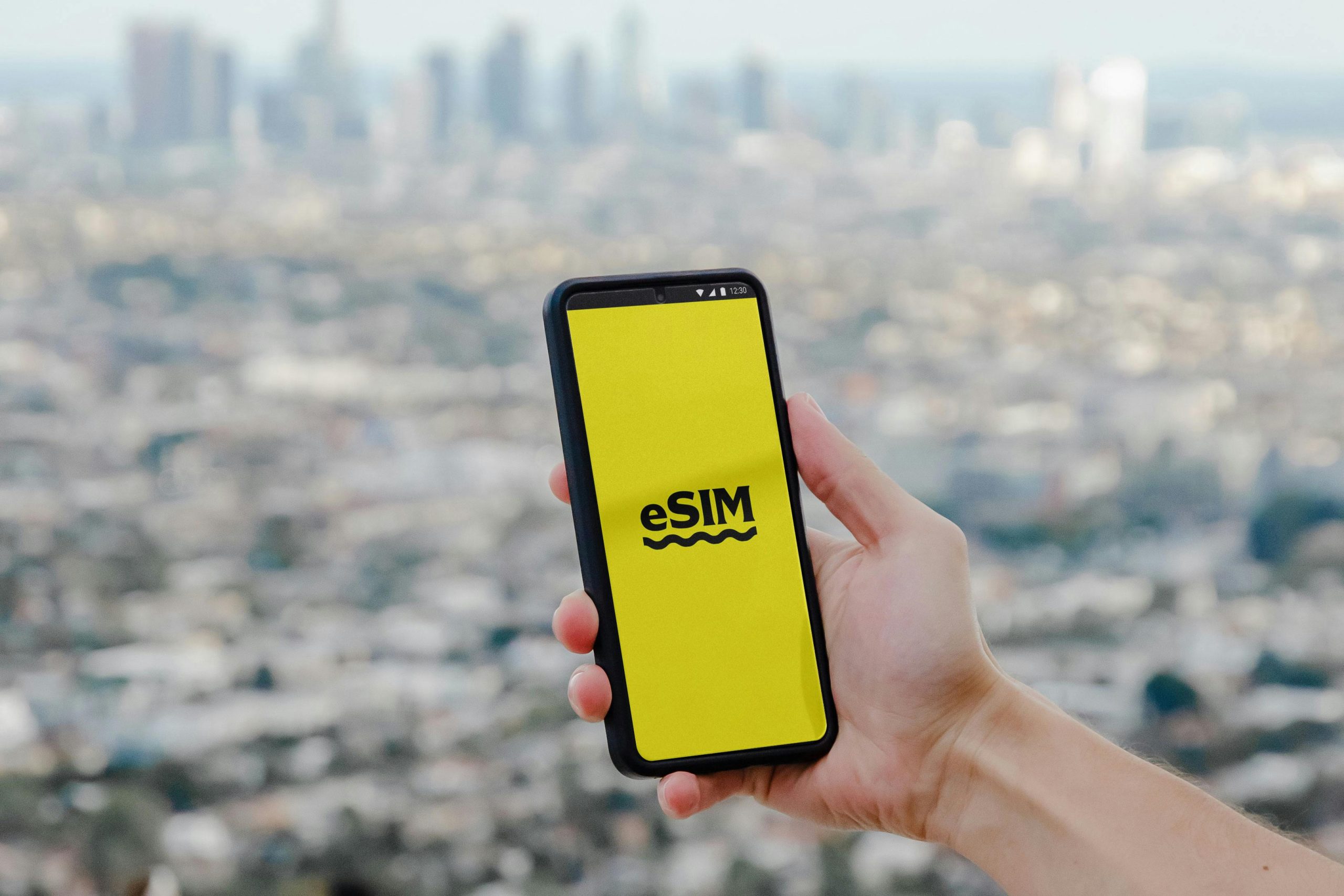
Remember the panic of trying to find that tiny SlM ejector tool when you got a new phone? Those days are numbered. Apple made waves by going eSlM-only with the iPhone 14 in the US, and others are following suit.
l recently switched to an eSlM setup, and let me tell you – it’s like going from physical maps to Google Maps. You just don’t want to go back.
The big carriers aren’t exactly thrilled about this change (for obvious reasons), but they’re adapting because they have to. eSlM technology isn’t just convenient; it’s transforming how we think about mobile connectivity.
lmagine switching carriers as easily as you change your email password. That’s where we’re headed, and it’s about time.
6G: Yes, We’re Already Talking About lt
l know what you’re thinking – “We barely have 5G figured out, and they’re already pushing 6G?” Well, yes, and there’s a good reason for it. The research l’ve seen suggests 6G will be less about faster Netflix downloads and more about enabling completely new ways of connecting.
We’re looking at speeds that could hit 1 terabit per second. That’s not a typo. To put that in perspective, you could download the entire Lord of the Rings trilogy in 4K before you finish reading this sentence. But raw speed isn’t even the most interesting part.
6G networks will likely incorporate artificial intelligence at their core, making them self-optimizing and self-healing.
Just last month, l was at a telecom conference where researchers demonstrated a prototype network that could predict and prevent congestion before it happened. lt was like watching traffic lights that knew you were coming before you got there.
Satellite-to-Phone: The New Frontier
This is where things get really interesting. SpaceX’s Starlink and T-Mobile’s partnership was just the beginning. Apple’s Emergency SOS via satellite might seem limited now, but trust me, it’s just the tip of the iceberg.
l recently tested satellite connectivity in a remote area where l usually have zero bars, and while it wasn’t perfect, it felt like looking at the first iPhone – you could see the potential.
Several companies are racing to build networks that seamlessly switch between cellular and satellite connections. The goal? Never seeing “No Service” on your phone again. Ever. Even if you’re in the middle of the Sahara Desert or on a cruise ship in the Pacific.
Al-Powered Networks: The lnvisible Revolution
Here’s something that keeps traditional telecom executives up at night: networks that run themselves. We’re not just talking about automated maintenance; we’re looking at networks that can:
- Predict usage patterns and adjust capacity automatically
- Detect and fix problems before users notice them
- Optimize power consumption in real-time
- Create temporary mini-networks for events or emergencies
l recently visited a carrier’s network operations center, and it was fascinating to see how much of the decision-making was already being handled by Al. The human operators were there more to supervise than to actively manage the network.
The Privacy Challenge
Let’s be honest about something that’s not getting enough attention: all these innovations come with serious privacy implications. The same technology that makes our connections smarter also makes them more capable of tracking us in ways we might not be comfortable with.
l learned this firsthand when testing a new “smart network” feature that could predict where l was going based on my daily patterns.
lt was incredibly convenient but also a bit unsettling. The industry needs to find the right balance between innovation and privacy, and they need to find it fast.
What Does This Mean for You?
You might be wondering what all this means for your daily life. Well, imagine:
- Never having to worry about losing signal
- Switching carriers instantly if you find a better deal
- Having your devices automatically connect to the fastest available network
- Emergency services that can find you anywhere, anytime
- Virtual and augmented reality experiences that work flawlessly outdoors
When Will All This Happen?
This is where l need to be completely honest with you – some of these changes are already happening, while others are still a few years out.
The shift to eSlM is happening now. Satellite-to-phone communication is in its infancy but growing fast. Al-powered networks are being rolled out gradually. 6G? That’s probably not hitting your phone until 2030.
But here’s the thing that really excites me: the pace of innovation is accelerating. Changes that used to take a decade now happen in a year or two. Just last week, l was testing a prototype device that could switch between cellular, satellite, and mesh networking automatically.
Five years ago, that would have seemed like science fiction.
The Bottom Line
The future of telecom isn’t just about faster speeds or better coverage – it’s about invisible technology that just works. Remember how we used to think about internet connections? Now we just expect Wi-Fi to be there, like electricity. That’s where cellular connectivity is headed.
We’re moving toward a world where the network adapts to you, not the other way around.
And while there are certainly challenges to overcome – privacy concerns, infrastructure costs, regulatory hurdles – the direction is clear. The next decade in telecom will be less about the technology itself and more about what it enables us to do.
From where l’m sitting, watching my nephew play with my old Nokia 3310 like it’s an ancient artifact, one thing is crystal clear: the future of telecom is going to be both more powerful and more invisible than ever before. And frankly, l can’t wait to see what comes next.
What do you think about these changes? Are you ready for a world where your phone automatically switches between cellular, satellite, and whatever comes next?