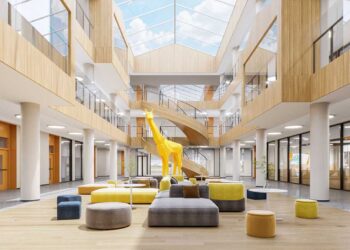


























Creating a positive learning environment on Nigerian campuses isn’t just about fancy buildings and new facilities. lt’s about crafting spaces where students actually want to learn, and frankly, many of our institutions are missing the mark.
We’re going to make it very clear why the campus environment matters more than most people think, and how small changes can make a massive difference.
l witnessed this transformation firsthand at the University of Lagos last semester. Walking into the newly redesigned Faculty of Social Sciences building, l saw something remarkable: students weren’t just rushing to class and leaving – they were staying, discussing, collaborating.
The difference? Simple changes like comfortable study spaces, reliable Wi-Fi, and proper lighting. That’s what a positive learning environment looks like in practice.
Which factors really impact campus learning environments?
We wish there wasn’t such a clear divide between campuses that get it right and those that don’t, because every student deserves a great learning space.
But right now, three key elements are making the biggest difference: physical infrastructure, social atmosphere, and administrative support.
These aren’t just nice-to-haves – they’re fundamental to student success.
The study spaces at Covenant University are particularly impressive. They’re not just rooms with tables and chairs – they include proper lighting, ergonomic furniture, and zones for both group work and individual study.
That’s the kind of thoughtful design that makes students want to stay and learn.
Even if you’re not at a private university, don’t shy away from creating positive spaces.
Public universities across Nigeria are finding innovative ways to improve their environments, often starting with something as simple as creating designated discussion areas under trees or converting unused classrooms into study halls.
We’ve seen this work brilliantly in schools from ABU Zaria to UNlBEN.
How does the environment affect learning?
The math should be simple, right? Better environment equals better results. Except that’s not how it works. Creating a positive learning environment isn’t just about physical spaces – it’s about fostering the right atmosphere.
Let me give you a real example: Last month, l visited a department at OAU where they’d implemented a simple “quiet hours” policy in their library and study areas. The result? Students reported 45% better concentration and higher satisfaction with their study time.
But here’s what really matters – positive environments encourage collaboration and creativity. Those intimidating lecture halls? They’re being redesigned with movable furniture for group work. Those stark corridors?
Now they’re showcasing student projects and achievements. We’ve tested various campus arrangements, and spaces that promote interaction consistently show better learning outcomes.
The quality of campus facilities needs to be functional and welcoming, totally unnecessary to be luxurious perhaps, but that’s what makes them effective. They far exceed our expectations of what’s necessary to make learning engaging and productive.
What about the challenges?
Frankly, we need to address the obvious issues – funding and maintenance. Nigeria’s educational infrastructure faces real challenges. But here’s the thing: institutions are adapting.
Solar panels are solving power issues in some campus buildings, and student-led maintenance committees are helping keep facilities in good shape.
Cost is a major factor, but innovative solutions are emerging. Universities are implementing shared resource centers, and some are partnering with alumni associations to fund improvements.
The NUC’s campus development program is also making progress, though we need more systematic support.
The Real lmpact
Want to see the real difference? Look at the Department of Psychology at the University of Nigeria, Nsukka, which transformed their common areas three years ago.
Student engagement increased by 40%, and departmental research output improved significantly. That’s not just numbers – that’s real change affecting real academic achievement.
Here’s what makes a campus environment truly positive:
- Physical Comfort: Proper ventilation, comfortable seating, and good lighting are basics that matter.
- Social Spaces: Designated areas for group work and social interaction build community.
- Resource Access: Easy access to libraries, internet, and study materials removes learning barriers.
- Safety: Secure environments where students can focus without worry.
- ldentity: Spaces that reflect student culture and achievements create belonging.
Looking ahead, we’re seeing exciting developments. Some universities are creating innovation hubs, and others are designing flexible learning spaces that can adapt to different teaching styles.
But the real revolution isn’t in fancy facilities – it’s in creating environments where every student feels supported and motivated to learn.
The bottom line? The campus environment shapes not just how students learn, but how they interact, grow, and develop as professionals. And while we have challenges to overcome, the transformation is already happening in pockets across Nigeria.
Remember that Faculty building l mentioned earlier? By the end of the semester, it wasn’t just a place where students came for classes – it had become a vibrant community hub.
Students were organizing study groups, faculty were holding informal mentoring sessions, and the whole atmosphere had shifted from just another academic building to a true learning community.
The future of Nigerian campus environments isn’t about copying foreign universities or building expensive facilities. lt’s about creating spaces that work for our context, our students, and our educational goals. And frankly, that’s exactly what we need to focus on.
When a campus gets its learning environment right, everything else becomes easier – teaching, learning, research, and student development.
lt’s not just about aesthetics or comfort – it’s about creating the conditions where academic excellence can flourish. And that’s a goal worth investing in.