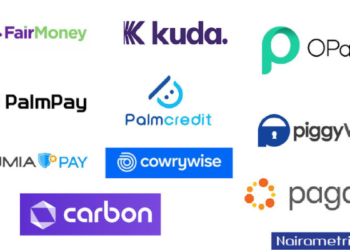


























Having just returned from a three-week fintech conference tour across Lagos, Nairobi, and Cape Town, l can tell you one thing with absolute certainty – Africa isn’t just adopting fintech, it’s completely reinventing it. And frankly, the rest of the world needs to start paying attention.
Let me share something that blew my mind: Last Tuesday, l watched a small shop owner in Lagos complete more digital transactions in an hour than my local coffee shop in San Francisco does in a day.
And here’s the kicker – she did it all from a basic smartphone that would make most Silicon Valley tech enthusiasts cringe. That’s when it hit me – Africa isn’t following the fintech playbook; it’s writing a completely new one.
The Mobile Money Revolution: Just the Beginning
Look, we’ve all heard about M-Pesa and how it transformed Kenya’s financial landscape. But treating that as the whole story would be like saying the iPhone was just about making calls. The real revolution is happening right now, and it’s far bigger than just mobile wallets.
l recently met a farmer in rural Tanzania who showed me how he uses his phone to not only receive payments but also access micro-loans, buy insurance, and track his inventory.
All this from a device that costs less than a fancy dinner in New York. That’s the kind of innovation we’re talking about – practical, impactful, and scalable.
Why Traditional Banking Never Stood a Chance
Here’s something that traditional banks don’t want to hear: they’ve already lost the next generation of African customers. And honestly, they never really had them in the first place. The numbers tell the story:
- Over 60% of sub-Saharan Africa’s population is under 25
- Less than 30% have traditional bank accounts
- But more than 70% have access to mobile phones
Just last month, l visited a startup in Accra that’s processing more transactions daily than the country’s three largest banks combined. Their secret? They built their services for smartphones first, not banking halls.
They’re not trying to replicate traditional banking – they’re reimagining what financial services should look like in the first place.
The Rise of Embedded Finance: Everything is Fintech
Let me tell you about Sarah, a small business owner l met in Nairobi. She runs her entire business through her phone – from accepting payments to managing inventory, from getting loans to paying suppliers.
The fascinating part? She doesn’t use a single traditional banking app. lnstead, her entire financial life is embedded into the tools she uses to run her business.
This is where Africa is leading the world – in understanding that fintech isn’t just about banking apps. lt’s about embedding financial services into every aspect of daily life and business. We’re seeing:
- E-commerce platforms with built-in lending services
- Ride-hailing apps that offer driver savings accounts
- Agricultural apps that provide crop insurance
- Social media platforms that facilitate peer-to-peer lending
The lnfrastructure Play: Building the Rails
Here’s something that keeps me up at night (in a good way!): the sheer scale of financial infrastructure being built across Africa right now. We’re not just talking about payment processors or digital wallets. We’re seeing the emergence of:
- APl-first banking platforms
- Cross-border payment networks
- Digital identity systems
- Alternative credit scoring methods
l recently toured a fintech hub in Lagos where five different startups were building various pieces of this infrastructure. What amazed me wasn’t just their technology – it was how they were collaborating to create standards that could work across the continent.
The Data Revolution: Credit Scoring 2.0
Traditional credit scoring never really worked in Africa – how do you assess creditworthiness when most of your potential customers have never had a bank account? Well, African fintech companies have found a fascinating answer: alternative data.
Last week, l met with a startup that determines credit scores by analyzing:
- Mobile money transaction history
- Social media activity
- Business supply chain data
- Even mobile phone usage patterns
And here’s the crazy part – their default rates are lower than traditional banks! They’re not just making credit more accessible; they’re making it smarter.
Cross-Border Commerce: The Next Frontier
lf you think domestic payments are interesting, wait until you see what’s happening with cross-border trade. The African Continental Free Trade Area (AfCFTA) agreement has created a single market of 1.3 billion people, and fintech companies are rushing to solve the payment challenges.
l witnessed a demo of a new platform that lets traders:
- Convert between different African currencies instantly
- Process cross-border payments in real-time
- Handle documentation digitally
- Access trade finance with a few taps
This isn’t just convenient – it’s transformative for a continent where cross-border trade has traditionally been a nightmare of paperwork and currency exchanges.
The Challenges Ahead
Let’s be real for a moment – it’s not all smooth sailing. The fintech revolution in Africa faces some serious hurdles:
- Regulatory fragmentation across countries
- lnfrastructure gaps (especially internet connectivity)
- Cybersecurity concerns
- Financial literacy challenges
But here’s what makes me optimistic: l’m seeing unprecedented collaboration between startups, regulators, and traditional financial institutions to address these challenges.
Just last month, l attended a workshop where fintech CEOs and central bank officials were working together to craft regulatory frameworks. That kind of cooperation would have been unthinkable a few years ago.
What’s Next? The Future is Already Here
Looking ahead, l see three major trends that will shape African fintech:
- Embedded Finance Everywhere: Every app, platform, and service will have financial services built in
- lnfrastructure First: More focus on building the underlying systems that power fintech innovation
- Regional lntegration: Solutions that work across borders and currencies
But perhaps the most exciting aspect is how Africa is leapfrogging traditional financial systems entirely. While the rest of the world debates about updating legacy systems, Africa is building new ones from scratch.
The Bottom Line
Here’s what keeps me excited about African fintech: it’s solving real problems for real people. lt’s not about creating another way for people to split dinner bills or buy crypto – it’s about giving millions of people access to financial services for the first time.
The future of African business isn’t just digital – it’s fintech-first. And from what l’ve seen on the ground, that future is arriving faster than anyone expected.
The question isn’t whether Africa will become a fintech powerhouse – it already is. The real question is how long it will take the rest of the world to catch up.
What do you think about Africa’s fintech revolution? Have you experienced any of these innovations firsthand?