























The Nigerian banking sector is experiencing a remarkable transformation as six major financial institutions have collectively raised N2.4 trillion, far exceeding the Central Bank of Nigeria’s (CBN) ambitious N500 billion recapitalization requirement.
This unprecedented achievement demonstrates the resilience and strategic vision of Nigeria’s leading banks while positioning the country’s financial system for unprecedented growth.
What is the CBN N500 Billion Recapitalization Requirement?
This policy directly supports President Bola Tinubu’s ambitious $1 trillion economic vision for Nigeria and aims to strengthen banks’ capacity to finance critical economic sectors.
The recapitalization drive isn’t just about regulatory compliance—it’s about transforming Nigeria’s banking landscape to compete globally while serving local communities more effectively.
This strategic initiative positions Nigerian banks as formidable financial institutions capable of supporting large-scale economic development projects.
Which Banks Are Leading the CBN Recapitalization Success Story?
Six Nigerian banking giants are not just meeting but exceeding the CBN’s expectations:
1. Zenith Bank – Setting the Pace
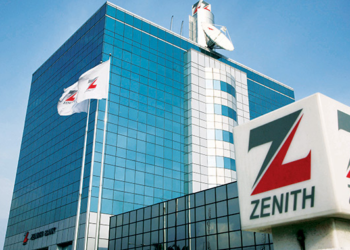
Zenith Bank has already successfully surpassed the recapitalization hurdle, becoming one of the first institutions to demonstrate that the N500 billion target is not only achievable but can be exceeded with proper strategic planning.
2. Access Bank – International Expansion Champion
Access Bank has also crossed the finish line, showcasing its strength through strategic acquisitions, including the recent takeover of Standard Chartered Bank in The Gambia after 130 years of operations.
3. United Bank for Africa (UBA) – Continental Banking Leader
UBA has disclosed comprehensive plans to raise N500 billion through strategic bond issues, with N355.2 billion already secured in the first phase. The bank’s pan-African presence positions it uniquely for continued growth.
4. Guaranty Trust Bank (GTB) – Digital Banking Pioneer
GTB aims to raise N600 billion through bond issues, having already secured N209.41 billion in their initial phase. The bank’s innovative digital banking solutions continue to set industry standards.
5. First Bank – Nigeria’s Banking Heritage
First Bank has reportedly raised approximately N187.6 billion and expects to hit the N500 billion mark by July 2025. As one of Nigeria’s oldest financial institutions, First Bank’s success demonstrates how traditional banking excellence adapts to modern requirements.
6. FCMB Group – Rising Financial Powerhouse
FCMB Group has raised N147.75 billion and targets approximately N267 billion by July 2025. The bank’s strategic approach showcases the diversity of successful recapitalization strategies.
How Are Nigerian Banks Raising Capital for Recapitalization?
These financial powerhouses are employing diverse capital-raising strategies that demonstrate the sophistication of Nigeria’s capital markets:
Public Offerings and Rights Issues
Fidelity Bank’s remarkable success story stands out, having raised N373 billion through public offerings and rights issues that were oversubscribed by 237.92% and 137.73% respectively. This level of investor confidence reflects strong market faith in Nigeria’s banking sector.
Private Placements
Several banks are utilizing private placements to reach sophisticated investors, with Fidelity Bank planning an additional N200 billion raise via private placement by the end of 2025.
Bond Issues
UBA and GTB are leveraging bond markets to raise their required capital, demonstrating the depth and maturity of Nigeria’s debt capital markets.
Strategic Partnerships
Banks are forming strategic alliances and partnerships that not only provide capital but also expand their service offerings and market reach.
Impact of Bank Recapitalization on Nigerian Economy
Supporting Nigeria’s $1 Trillion Economic Vision
The successful recapitalization directly supports President Tinubu’s ambitious economic targets by creating banks capable of financing large-scale infrastructure projects, supporting SMEs, and facilitating international trade.
Enhanced Financial Inclusion
According to digital finance expert Noah Honawon, the recapitalization represents “a big shift” and “a big opportunity” for expanding financial access across Nigeria.
With increased capital, banks can invest in:
- Advanced mobile banking applications
- Expanded agent networks reaching rural communities
- Offline banking services for areas with limited internet connectivity
- Enhanced digital security systems
Strategic Sector Partnerships
The increased capital enables banks to form partnerships with platforms in agriculture, small business, and transportation sectors, embedding financial services directly into Nigerians’ daily lives.
Female Leadership Driving Banking Transformation
A notable aspect of this recapitalization success is the leadership role of female bank CEOs who are spearheading their institutions’ transformation. This diverse leadership brings fresh perspectives and innovative approaches to traditional banking challenges, demonstrating that Nigeria’s banking sector benefits from inclusive leadership.
Digital Banking Revolution Through Recapitalization
Technology Infrastructure Investment
Banks can now seriously invest in digital infrastructure that reaches previously underserved communities. This includes:
- Seamless mobile applications
- Expanded agent networks in remote villages
- Innovative solutions functioning without reliable internet
Enhanced Cybersecurity Measures
Part of the raised capital will strengthen digital security systems through:
- Advanced fraud detection systems
- Enhanced data protection protocols
- Improved cybersecurity measures
Financial Technology Integration
The capital strength provides foundation for ambitious integration with fintech solutions, creating ecosystems where financial services become as accessible as everyday activities.
Timeline and Milestones for CBN Recapitalization
Current Progress (June 2025)
- Six banks have collectively raised N2.4 trillion
- Two banks (Zenith and Access) have already exceeded requirements
- Four banks are on track to meet targets well before the deadline
July 2025 Targets
- First Bank expects to reach N500 billion
- FCMB Group targets N267 billion
2026 Deadline Outlook
With the March 31, 2026 deadline still months away, these banks are positioning themselves well ahead of schedule, sending powerful signals about Nigerian banking sector strength.
Investor Confidence in Nigerian Banking Sector
The massive oversubscription of Fidelity Bank’s offerings and the successful capital raises across all six institutions demonstrate unprecedented investor confidence in Nigeria’s banking sector. This confidence reflects:
Strong Economic Fundamentals
Investors recognize Nigeria’s economic potential and the banking sector’s role in driving growth.
Regulatory Clarity
The CBN’s clear regulatory framework provides certainty for long-term investment decisions.
Management Excellence
Strong leadership across these institutions inspires confidence in their ability to deliver returns on investment.
Regional Banking Expansion and International Presence
Access Bank’s acquisition of Standard Chartered Bank in The Gambia exemplifies how recapitalized Nigerian banks are expanding their continental footprint. This expansion strategy positions Nigerian banks as regional champions while bringing international banking standards to local markets.
Challenges and Opportunities Ahead
Managing Growth
With increased capital comes the responsibility to deploy funds effectively while maintaining prudent risk management practices.
Competition and Market Dynamics
Stronger capitalization will intensify competition among banks, ultimately benefiting customers through improved services and competitive pricing.
Regulatory Compliance
Banks must continue meeting evolving regulatory requirements while pursuing growth objectives.
Long-term Implications for Nigeria’s Financial Sector
Global Competitiveness
Well-capitalized Nigerian banks can compete internationally while maintaining focus on domestic market needs.
Economic Development Catalyst
Strong banks serve as catalysts for economic development by providing credit to productive sectors of the economy.
Financial System Stability
Increased capital buffers enhance the overall stability of Nigeria’s financial system.
Conclusion: A New Chapter for Nigerian Banking
The success of these six banks in exceeding the CBN’s N500 billion recapitalization requirement represents more than regulatory compliance—it’s a testament to Nigerian banking sector resilience and ambition.
With N2.4 trillion raised collectively, these institutions are not just prepared for the future; they’re actively shaping it.
This achievement positions Nigeria’s banking sector among the strongest in Africa, capable of supporting the country’s economic transformation while serving the financial needs of over 200 million Nigerians.
As these banks continue their growth trajectory, they’re proving that Nigerian financial institutions can compete globally while never forgetting their responsibility to drive inclusive economic development at home.
The recapitalization success story demonstrates that when vision meets execution, remarkable achievements become possible. For Nigeria’s banking sector, this is just the beginning of an exciting new chapter in financial excellence and economic transformation.