






















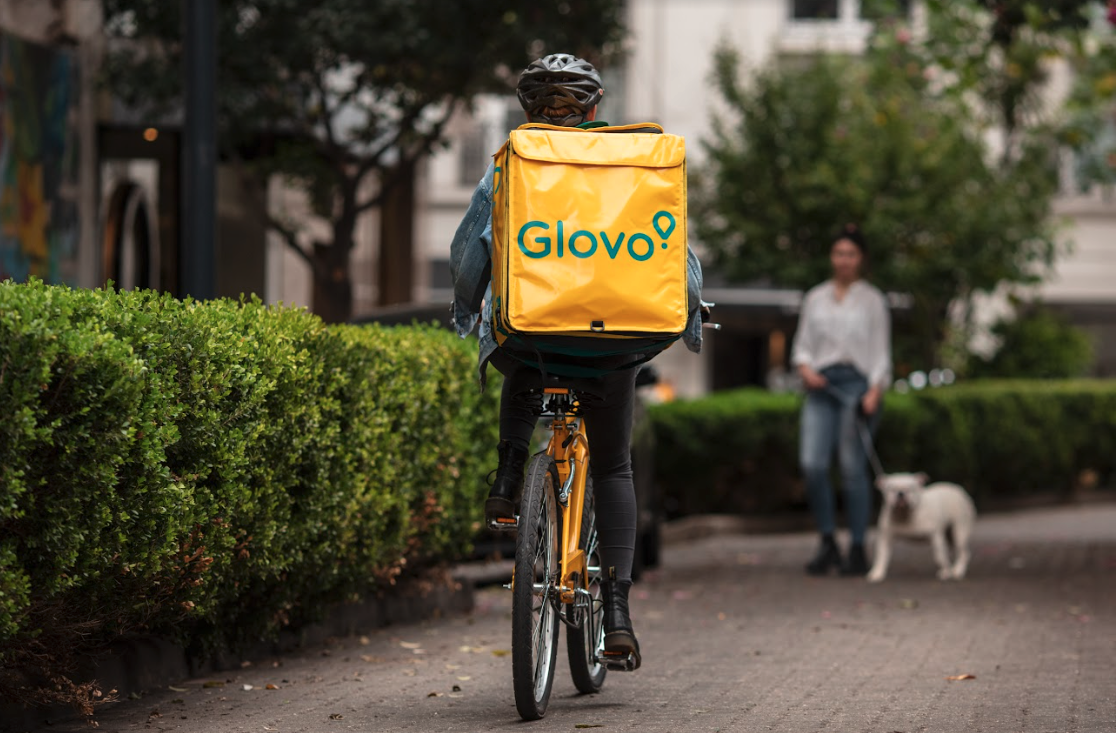
LAGOS — In an era where physical storefronts are no longer the sole drivers of commerce, the transition to digital operations has become a survival mandate for Small and Medium Businesses (SMBs) in Nigeria.
According to a practical growth guide published on April 7, 2026, the delivery giant Glovo has transitioned from being a mere logistics provider to a core “Digital Stack” architect for local entrepreneurs.
By providing a suite of integrated tools—ranging from data analytics to specialized marketing—the platform is helping Nigerian vendors bridge the gap between traditional “over-the-counter” sales and the high-growth world of e-commerce.
Building the SMB Digital Stack: The Glovo Framework
The guide outlines how a modern Nigerian business can leverage a “Digital Stack”—a collection of software and platforms used to run a business—without the heavy upfront costs of custom development.
The Three Pillars of the Stack:
- Visibility & Storefront: Providing a digital version of the vendor’s menu or catalog to millions of active users.
- Logistics-as-a-Service: Handling the “Last-Mile” delivery, which remains the most expensive and complex part of the Nigerian supply chain.
- Data & Insights: Using the Glovo Local dashboard to track customer preferences, peak order times, and geographic demand.
The Practical Path to Growth
Optimizing the Digital Menu One of the most critical steps for SMBs is the transition from a physical menu to a digital-first catalog. Glovo’s data shows that vendors who use high-quality, professional photography and detailed item descriptions see a 30% higher conversion rate.
The platform now offers an integrated AI tool that suggests “Smart Bundles”—grouping items that are frequently bought together—allowing small businesses to increase their average order value without manual analysis.
Mastering the “Last-Mile” Efficiency For many Nigerian SMBs, the cost of maintaining a private delivery fleet is prohibitive. By plugging into Glovo’s courier network, businesses can offer delivery speeds of under 30 minutes.
This infrastructure allows a small neighborhood kitchen or grocery store to compete with major national chains on convenience, effectively democratizing access to the city’s consumer base.
Leveraging Data for Strategic Expansion
The Power of the Dashboard The guide emphasizes that the real value of the digital stack lies in its ability to generate “Actionable Insights.” Through the vendor portal, a business owner can see exactly where their customers are located.
If a vendor in Surulere notices a high volume of “unfulfilled” searches for their products in Lekki, they can use that data to justify opening a “Ghost Kitchen” or a satellite pickup point in that area, significantly reducing the risk of geographical expansion.
Micro-Marketing for Macro Gains Glovo Local also provides SMBs with specialized marketing tools that were previously reserved for large corporations. Vendors can run targeted promotions for specific time slots—such as a “Rainy Day Discount” or a “Lunch Hour Special”—to drive traffic during slow periods.
These micro-campaigns are integrated directly into the digital stack, allowing the business owner to see the exact Return on Investment (ROI) for every naira spent on promotion.
The High Bar
The message for 2026 is clear: the digital stack is the new “Prime Real Estate.” As Nigerian consumers continue to prioritize speed and digital convenience, SMBs that fail to integrate these tools risk becoming invisible.
By leveraging platforms like Glovo, small businesses are no longer limited by their physical footprint; they are becoming data-driven enterprises capable of scaling as fast as the software that supports them.