











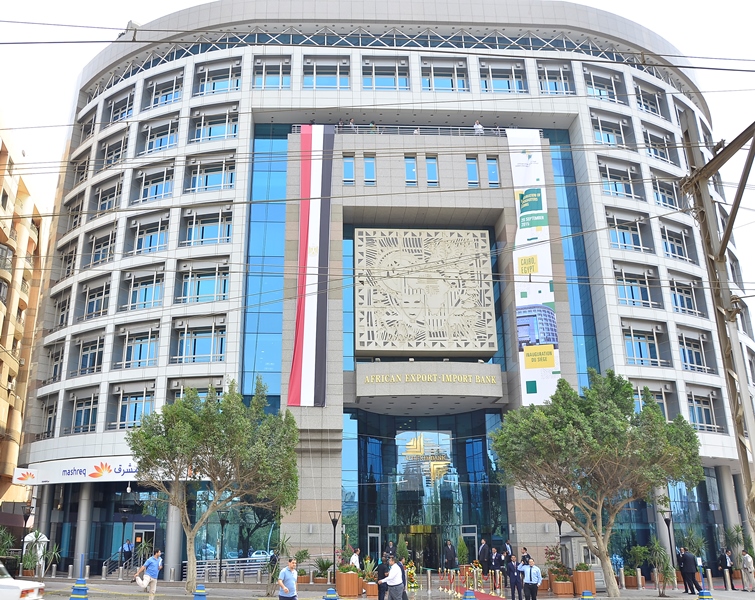
CAIRO / LAGOS — As the geopolitical situation in the Middle East escalates, the African Export-Import Bank (Afreximbank) has moved to insulate African and Caribbean nations from the resulting economic fallout. According to a strategic intervention report published on April 7, 2026, the bank’s board has approved a $10 billion “War Crisis Mitigation Facility.”
This massive injection of liquidity is specifically designed to counter the “dual shock” of surging global energy costs and disrupted supply chains triggered by the widening Iran conflict. For oil-importing nations and food-vulnerable economies, this facility represents a critical financial lifeline in an increasingly volatile global market.
The Anatomy of the $10 Billion Mitigation Fund
The Afreximbank intervention is structured to address the specific “transmission channels” through which the Middle East conflict hits emerging markets.
Strategic Allocation of Funds:
- Energy Security Support: Providing trade finance to help nations manage the rising cost of refined petroleum products, which have been pressured by the surge in Bonny Light prices to $120.
- Food Import Stability: Ensuring that grain and fertilizer shipments remain funded, preventing a repeat of the 2022-2023 global food security crisis.
- Currency Support Lines: Offering short-term liquidity to central banks to prevent the “Panic Depreciation” of local currencies like the Naira and the Kenyan Shilling as dollar demand spikes.
Navigating the Global Supply Chain Crisis
The Shipping and Insurance Surcharge The conflict has led to a significant increase in maritime insurance premiums and freight rates for vessels transiting the Suez Canal and the Red Sea. Afreximbank’s facility includes specialized “re-insurance” guarantees that allow African and Caribbean traders to maintain their shipping schedules without being priced out of the market by “war-risk” surcharges.
By absorbing some of these logistical risks, the bank is effectively preventing “Imported Inflation.” Without this intervention, the cost of consumer goods in Lagos or Kingston would rise even faster than the current exchange rate fluctuations suggest, as every container ship would carry a premium “conflict tax.”
The Caribbean Corridor The inclusion of Caribbean economies in this $10 billion package marks the continued expansion of the Afri-Caribbean Trade initiative. Because these island nations are almost entirely dependent on imported fuel and food, they are hypersensitive to the energy shocks currently impacting global benchmarks.
The facility allows these nations to pool their purchasing power with African states, creating a “South-South” economic bloc that can negotiate better terms in the global commodities market.
The Mechanism of Economic Resilience
Afreximbank is utilizing its “Trade Payment Services” (AfPAY) and the Pan-African Payment and Settlement System (PAPSS) to ensure that transactions between member states remain fluid, even if global dollar liquidity tightens.
This allows for the “de-risking” of intra-regional trade, ensuring that a Nigerian manufacturer or a Ghanaian exporter can continue to operate regardless of the volatility in the New York or London banking corridors.
The bank is also encouraging member states to use this $10 billion window to accelerate their “Energy Transition” projects. By funding the shift toward the decentralized energy models and solar-hybrid systems seen in Lagos, Afreximbank aims to reduce the long-term dependency of these regions on Middle Eastern oil, turning a short-term crisis into a catalyst for structural reform.
A Sovereign Safeguard
The $10 billion approval is a clear signal that the Global South is no longer willing to be a passive victim of Northern or Middle Eastern geopolitical maneuvers.
By creating a dedicated “War Chest,” Afreximbank is providing its member states with the fiscal room to breathe while the rest of the world grapples with the 2026 energy surge.
For the Nigerian business owner or the Caribbean hospitality lead, this facility acts as a shock absorber that keeps the lights on and the shelves stocked.
As the conflict in the Middle East continues to test global limits, the strength of the “Afreximbank Shield” will likely determine which economies emerge from 2026 with their growth trajectories intact and which ones fall into a cycle of debt and devaluation.