






















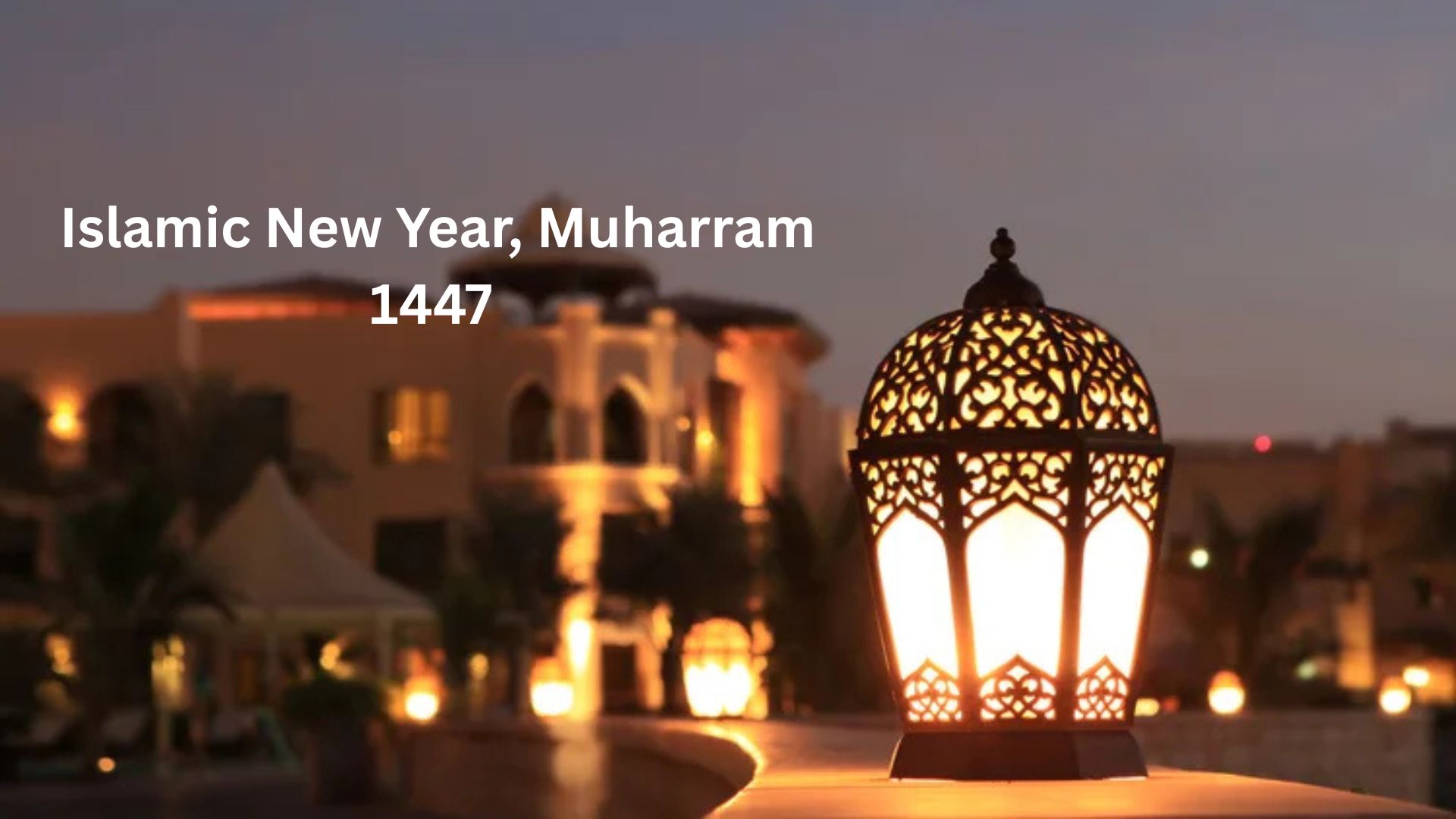
A new Islamic year brings more than just calendar changes—it brings hope, reflection, and a chance for renewal. As Nigerian Muslims stepped into Muharram 1447AH this week, the sacred month’s arrival couldn’t have come at a more crucial time for both the nation and the global Muslim community.
The Jama’atu Nasril Islam (JNI) wasted no time in extending warm congratulations to Muslims nationwide, but their message carried weight beyond mere celebration.
“This sacred month holds significant importance in the Islamic calendar,” declared Prof. Khalid Aliyu, JNI’s Secretary-General, his words echoing the reverence millions feel for one of Islam’s four forbidden months for warfare and vice.
A Call for Global Peace
What makes this year’s observance particularly poignant? The Sultan of Sokoto, Sa’ad Abubakar, issued a heartfelt plea that resonates far beyond Nigeria’s borders.
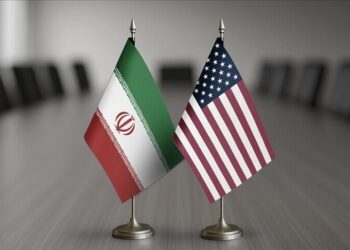
His appeal to world leaders—specifically regarding the Iran-Israel tensions—demonstrates how deeply Nigerian Muslims feel connected to global peace efforts. “De-escalate conflicts for the sake of global stability,” the Sultan urged, proving that true leadership transcends geographical boundaries.
The timing is remarkable. Here’s a sacred month traditionally reserved from conflict being used as a platform to advocate for international peace. It’s exactly the kind of moral leadership the world desperately needs right now.
Sacred Observances and State Recognition
Nigerian Muslims are encouraged to observe the voluntary fasting of Tasu’a and ‘Ashura on July 4-5, following Prophet Muhammad’s emphasis that Muharram fasting ranks as “the best fast after Ramadan.”
These aren’t just religious obligations—they’re opportunities for spiritual renewal that millions will embrace.
Both Katsina and Kebbi states recognized the moment’s significance by declaring Friday, June 17, a work-free day.
Governor Dikko Radda of Katsina didn’t just offer congratulations; he connected the spiritual observance to practical governance, emphasizing that “no meaningful development could take place without peace and stability.”
Beyond Celebration: A Call to Action
The JNI’s message went deeper than festive greetings. Their call for “fervent prayers for Nigeria’s betterment, peace, and security” acknowledges the challenges facing the nation while positioning faith as a catalyst for positive change.
They specifically remembered Muslim refugees and Internally Displaced Persons worldwide—a reminder that celebration must coexist with compassion for those less fortunate.
“As Muslims celebrate the new Hijri year, they are reminded of the importance of servitude to Allah, piety, commitment, and positive change,” Aliyu emphasized. It’s a message that transforms religious observance into a blueprint for social responsibility.
Nature’s Reminder
Even as communities prepared for celebration, nature provided a sobering reminder of life’s fragility. A devastating windstorm struck schools and staff quarters in Katsina’s Funtua District, causing significant damage across multiple educational institutions.
The Ministry of Basic and Secondary Education’s response—expressing “complete submission to the will of Allah” while addressing practical needs—exemplified how faith and action must work together.
Amidst Calls
Governor Radda’s call for farmers to use agricultural support judiciously while respecting cattle routes and grazing reserves shows how spiritual renewal can inform practical governance.
His administration’s commitment to “people-oriented projects” demonstrates that celebrating the new Islamic year means recommitting to serving others.
As Nigerian Muslims embrace Muharram 1447AH, they’re doing more than marking time—they’re choosing hope over despair, peace over conflict, and community service over self-interest.
In a world that often seems divided, their example offers something increasingly rare: unity of purpose wrapped in genuine faith.
May this new year indeed bring the abundant blessings and prosperity for the Muslim Ummah worldwide.