






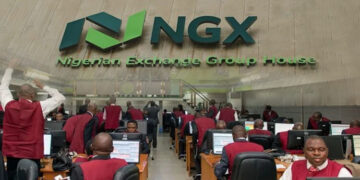













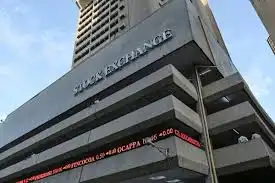
LAGOS — The Nigerian Exchange (NGX) witnessed a flurry of high-volume activity in February 2026, as institutional investors and high-net-worth individuals repositioned their portfolios ahead of the Q1 earnings season.
According to the latest “Broker Performance Report” released by the NGX and analyzed on March 10, 2026, a elite group of 10 brokerage firms facilitated a staggering ₦842.15 billion in transactions during the month.
These “Market Movers” were responsible for over 70% of the total value traded on the exchange, highlighting the continued concentration of market liquidity within a few top-tier firms.
The February 2026 Value Leaderboard
The ranking is based on the total value of stocks (buy and sell sides) executed by the firms.
| Rank | Stockbroking Firm | Value of Trades (Feb 2026) | % of Market Total |
| 1 | CardinalStone Securities | ₦185.40 Billion | 15.4% |
| 2 | Stanbic IBTC Stockbrokers | ₦142.10 Billion | 11.8% |
| 3 | United Capital Securities | ₦105.60 Billion | 8.8% |
| 4 | APT Securities & Funds | ₦92.30 Billion | 7.7% |
| 5 | Cordros Securities | ₦78.50 Billion | 6.5% |
| 6 | EFCP Limited | ₦64.20 Billion | 5.3% |
| 7 | Meristem Stockbrokers | ₦55.10 Billion | 4.6% |
| 8 | Chapel Hill Denham | ₦44.80 Billion | 3.7% |
| 9 | FBNQuest Securities | ₦38.90 Billion | 3.2% |
| 10 | Trust Yields Securities | ₦35.25 Billion | 2.9% |
The Strategy: What Drove the Volume?
1. The Dominance of CardinalStone
CardinalStone Securities maintained its pole position, largely driven by its role as a primary intermediary for major offshore institutional investors. In February, the firm facilitated several large “cross-deals” in the banking and industrial sectors, particularly involving Dangote Cement and MTN Nigeria, as global funds sought entry points into the Nigerian bull run.
2. Stanbic IBTC’s Retail & Institutional Blend
Consistently a top-three player, Stanbic IBTC Stockbrokers benefited from its robust digital trading platform. While its institutional desk handled massive block trades, its mobile app saw record participation from local retail investors who were aggressively buying into the Banking Sector recapitalization narrative.
3. The “Fintech-Traditional” Convergence
Firms like United Capital and Meristem have seen their volumes grow due to seamless integration with retail fintech apps. By allowing Gen Z and Millennial investors to buy NGX stocks through user-friendly interfaces, these traditional houses are tapping into a new layer of market liquidity that was previously dormant.
Sector Rotation: Where the Money Flowed
The billions processed by these top 10 firms were not spread evenly. In February 2026, the capital was heavily concentrated in:
- The “Trillion-Naira” Consumer Goods Club: High volumes in BUA Foods and Nestle as investors chased 2025 dividends.
- Banking Giants: Aggressive trading in Access Holdings and Zenith Bank following the Central Bank’s latest policy updates on capital buffers.
- Energy Transition Stocks: A notable uptick in Oando and Seplat trades as global oil prices stabilized above $80.
The February 2026
The February 2026 data confirms that the Nigerian Exchange is increasingly becoming a game of “Big Capital.” As the top 10 brokers consolidate their hold on market volume, the barrier to entry for smaller firms is rising.
For investors, the takeaway is clear: liquidity is congregating in the hands of firms with the best digital infrastructure and the strongest ties to global institutional capital.