























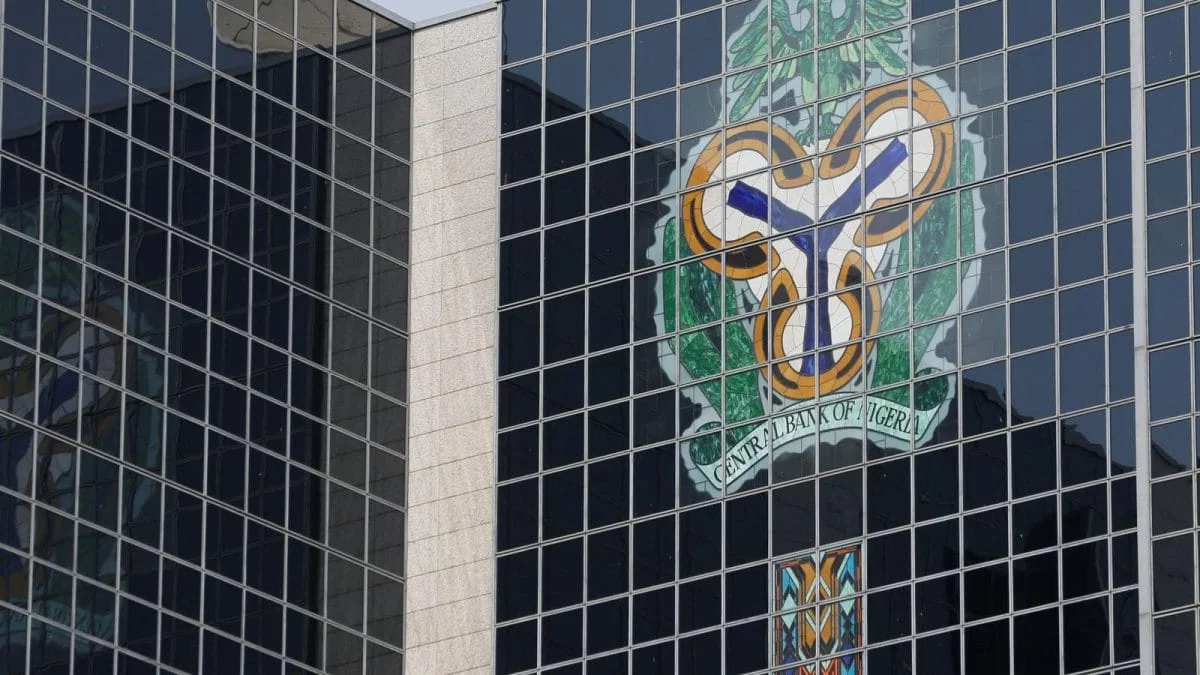
The Central Bank of Nigeria (CBN) has announced a new 5% levy on international money transfers received in foreign currency, a move that is set to fundamentally alter the country’s liquidity outlook for the quarter.
By imposing this levy, the regulator aims to increase revenue, but the policy risks narrowing the arbitrage gap between the official and parallel markets, albeit at the cost of volume.
With the official FX window currently averaging 1,450/$ and the parallel market hovering around 1,500/$, the CBN’s decision may inadvertently incentivize the use of informal channels, potentially dampening the liquidity surge needed to stabilize the Naira.
Beyond the immediate impact on the foreign exchange market, this policy has far-reaching implications for the Nigerian economy.
The country’s stagnant oil production, which has been hovering at 1.24 million barrels per day, and the tightening global monetary policy, make every dollar of external inflow critical for clearing the import backlog.
The manufacturing sector, which relies heavily on stable access to FX for raw material imports, is likely to feel the pinch of continued volatility.
Moreover, the administrative burden of tracking and remitting this 5% levy will add a compliance strain on Tier-1 banks, which are already navigating complex regulatory reporting.
As the Nigerian economy struggles to find its footing, this policy may exacerbate the challenges faced by businesses and individuals alike.
The human impact of this policy will be felt across various sectors, with the licensed International Money Transfer Operators (IMTOs) and commercial banks being the immediate losers.
Cost-sensitive diaspora Nigerians are likely to pivot to informal channels, such as crypto or peer-to-peer networks, in response to the increased cost of formal transfers. Conversely, parallel market operators will likely consolidate their grip on the retail FX market, offering better rates without the tax levy.
This scenario highlights the resilience of the Nigerian diaspora’s financial engineering, as individuals consistently find alternative pathways to maximize the value of their earnings despite structural headwinds.
Digital fintech platforms are likely to innovate faster around these restrictions, underscoring a standard of survival where market participants, rather than the regulator, dictate the true value of the Naira through sheer volume and velocity of capital movement.
As the dust settles on this policy announcement, it remains to be seen how the Nigerian economy will adapt to the new reality. One thing is certain, however: the next five years will be crucial in determining the long-term impact of this levy.
By 2028, the Nigerian economy is likely to have undergone significant changes, with the fintech sector playing an increasingly important role in shaping the country’s financial landscape.
As the CBN continues to navigate the complex web of monetary policy, it is essential that regulators prioritize innovation and flexibility, allowing the private sector to drive growth and stability in the economy.
Ultimately, the success of this policy will depend on the ability of the Nigerian economy to adapt and evolve, leveraging the agility and resilience of its people to overcome the challenges posed by this new levy.