























The Nigerian aviation sector is more than just planes and runways. Frankly, when you look at the numbers, there’s one truth that becomes painfully clear: Nigeria’s aviation industry has been punching well below its weight class for far too long.
Consider this: while the International Air Transport Association estimates that aviation supports a staggering $63 billion in economic activity across the entire African continent, Nigeria’s share of that pie? A modest $1.7 billion contributing just 0.4% to our national GDP.
Compare that to South Africa, where aviation pumps $12 billion into their economy—a whopping 3.5% of their GDP—and you begin to see the scale of untapped potential we’re sitting on.
It’s not that Nigeria lacks the infrastructure. We have 20 airports, 23 active domestic airlines, and operations by 22 foreign carriers.
We’ve created over 241,000 jobs and earned the coveted FAA International Aviation Safety Assessment Category One Certification, which means our carriers can fly directly into United States airspace—no small feat in the global aviation arena.
But here’s the thing: having the tools doesn’t automatically translate to building the house.
The Air Peace Phenomenon: A Case Study in Nigerian Ambition
Enter Allen Ifechukwu Onyema, the lawyer-turned-aviation entrepreneur who decided that Nigeria deserved better. When he founded Air Peace in 2013, it wasn’t just about starting another airline—it was about proving that Nigerian ingenuity could compete on the global stage.
And truly, the results speak for themselves.
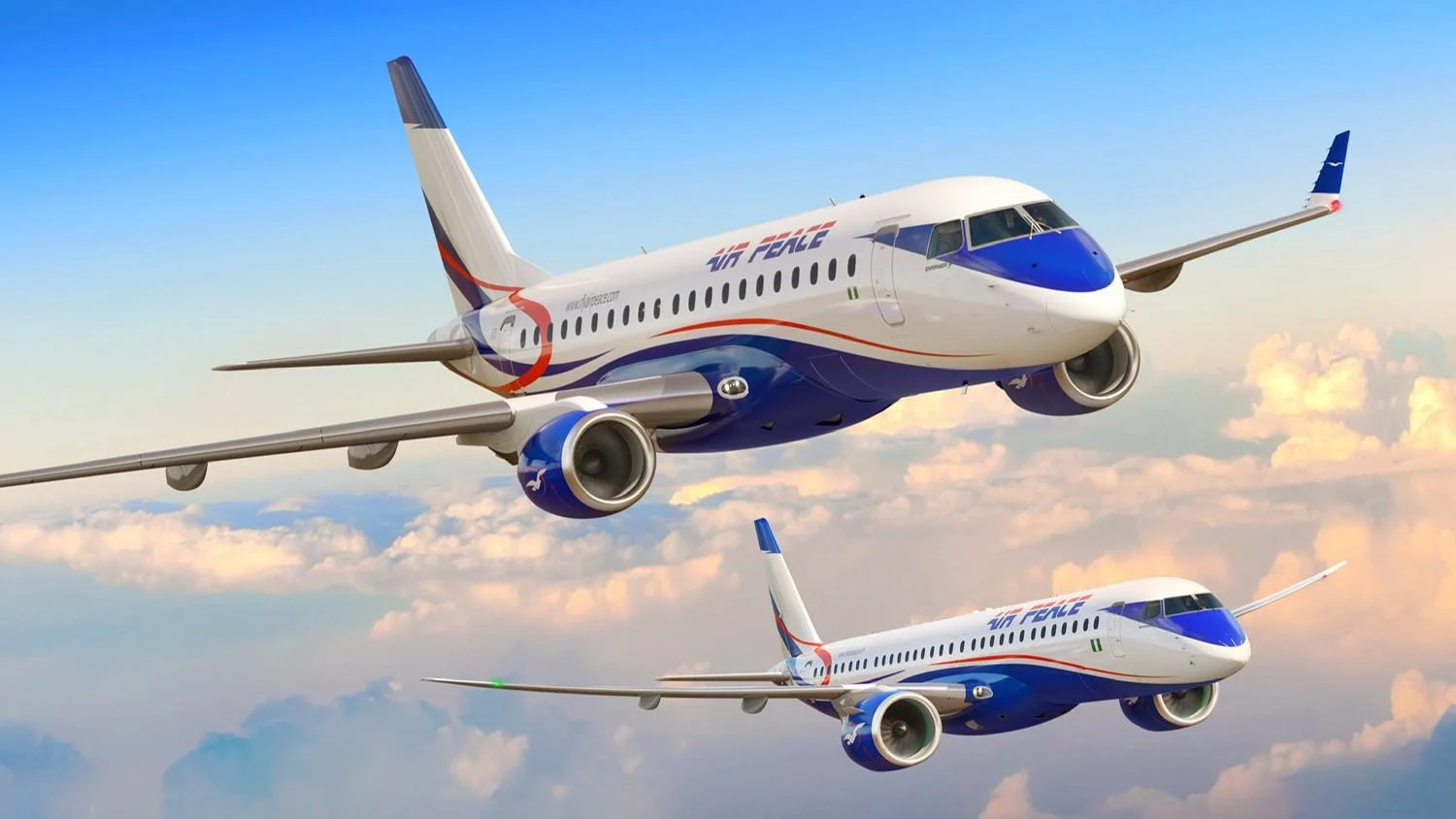
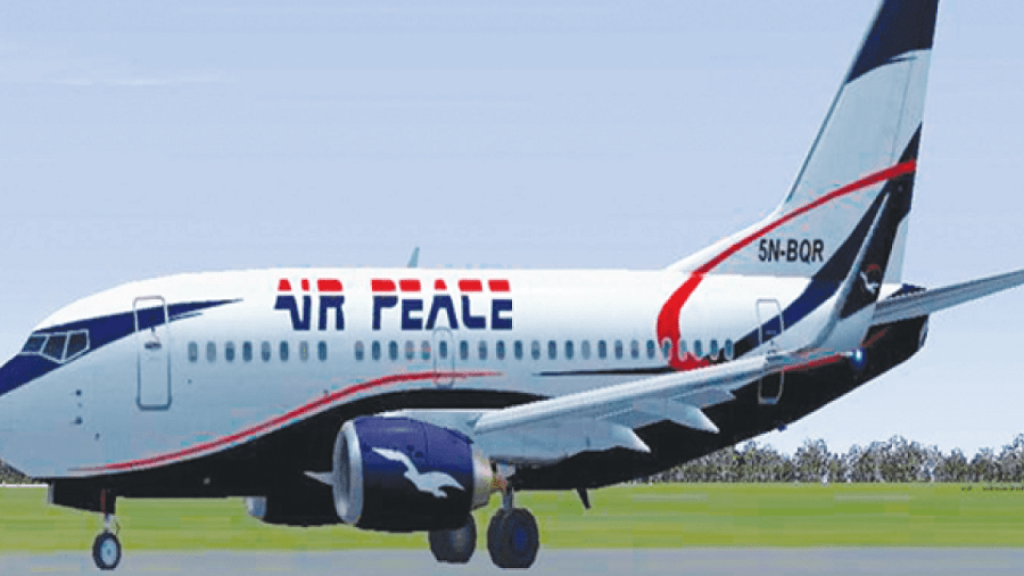
Air Peace has grown from a startup with big dreams into Nigeria’s most prominent carrier, boasting a fleet that reads like an aviation enthusiast’s wishlist: Boeing 737s, Boeing 777s, Dornier 328s, Embraer 145s, Embraer 195-E2s, and Airbus 320s.
The airline now connects Nigeria to international destinations including Accra, Sharjah, and Johannesburg, with their recent foray into the London route sending shockwaves through the industry.
But here’s where things get interesting—and where the real potential lies.
The Battle for Market Share: A David vs. Goliath Story
The introduction of Air Peace’s London route has triggered what can only be described as an aviation price war. International carriers, with their deep pockets and established routes, are engaging in aggressive pricing strategies that would make even seasoned business strategists nervous.
It’s a classic case of established players trying to squeeze out the newcomer before they gain a foothold.
Yet there’s something uniquely Nigerian about this situation that the international carriers might be underestimating: the power of national pride combined with genuine value proposition.
When Air Peace crashed airfares for Nigerians traveling to the UK, it wasn’t just about price—it was about dignity. For the first time in years, Nigerians had a carrier that understood their needs and spoke their language, literally and figuratively.
The Public Listing Debate: A Bold Vision for the Future
Here’s where the conversation gets really exciting. There’s been growing discussion about whether Air Peace should go public, and frankly, it’s a debate worth having.
The advantages are compelling: massive cash inflow, accelerated expansion capabilities, global visibility, and access to international capital markets. Imagine the financial muscle Air Peace would have to match international airlines price cut for price cut if they had billions in investment capital at their disposal.
The concept is intriguing—Nigerians owning shares in Air Peace would create a stakeholder mentality that goes beyond mere patriotic sentiment.
When passengers have skin in the game, literally owning pieces of the airline, their loyalty becomes an investment decision rather than just a travel choice. It’s behavioral economics at its finest.
Of course, going public isn’t without risks. Public scrutiny, regulatory compliance, potential competitor interference through stock purchases, and exposure to market volatility are all legitimate concerns.
But in an environment where government funding is scarce and capital needs are enormous, the equity markets might be the most pragmatic path forward.
The Bigger Picture: Nigeria’s Aviation Awakening
What’s happening with Air Peace is really a microcosm of Nigeria’s broader aviation potential.
With passenger and aircraft traffic rising by an average of 10% annually, and Murtala Muhammed International Airport in Lagos handling over 60% of the country’s total air traffic, we’re looking at a sector primed for exponential growth.
The real question isn’t whether Nigeria’s aviation sector can compete—it’s whether we’ll seize the opportunity or watch it fly by. We have the infrastructure, the talent, and increasingly, the vision.
What we need now is the financial architecture to support sustained growth and the strategic thinking to position ourselves not just as regional players, but as global competitors.
The Path Forward: More Than Just Taking Flight
Nigeria’s aviation sector stands at a crossroads. We can continue operating below our potential, content with our modest contribution to the economy, or we can embrace the kind of bold thinking that turns sleeping giants into market leaders. The choice, frankly, seems obvious.
The success of carriers like Air Peace proves that Nigerian aviation companies can compete internationally when they have the right resources and vision. But individual success stories, while inspiring, aren’t enough.
We need systematic changes: more public-private partnerships, innovative financing solutions, and perhaps most importantly, the kind of long-term strategic thinking that builds industries rather than just companies.
The potential is there—$63 billion in continental activity with room for Nigeria to claim a much larger share. The infrastructure is there—20 airports and growing. The demand is there—10% annual growth speaks for itself. What we need now is the collective will to transform potential into reality.
After all, a great aviation sector is more than just planes and profits—it’s national pride taking flight. And, it’s about time Nigeria claimed its rightful place in the skies.