





















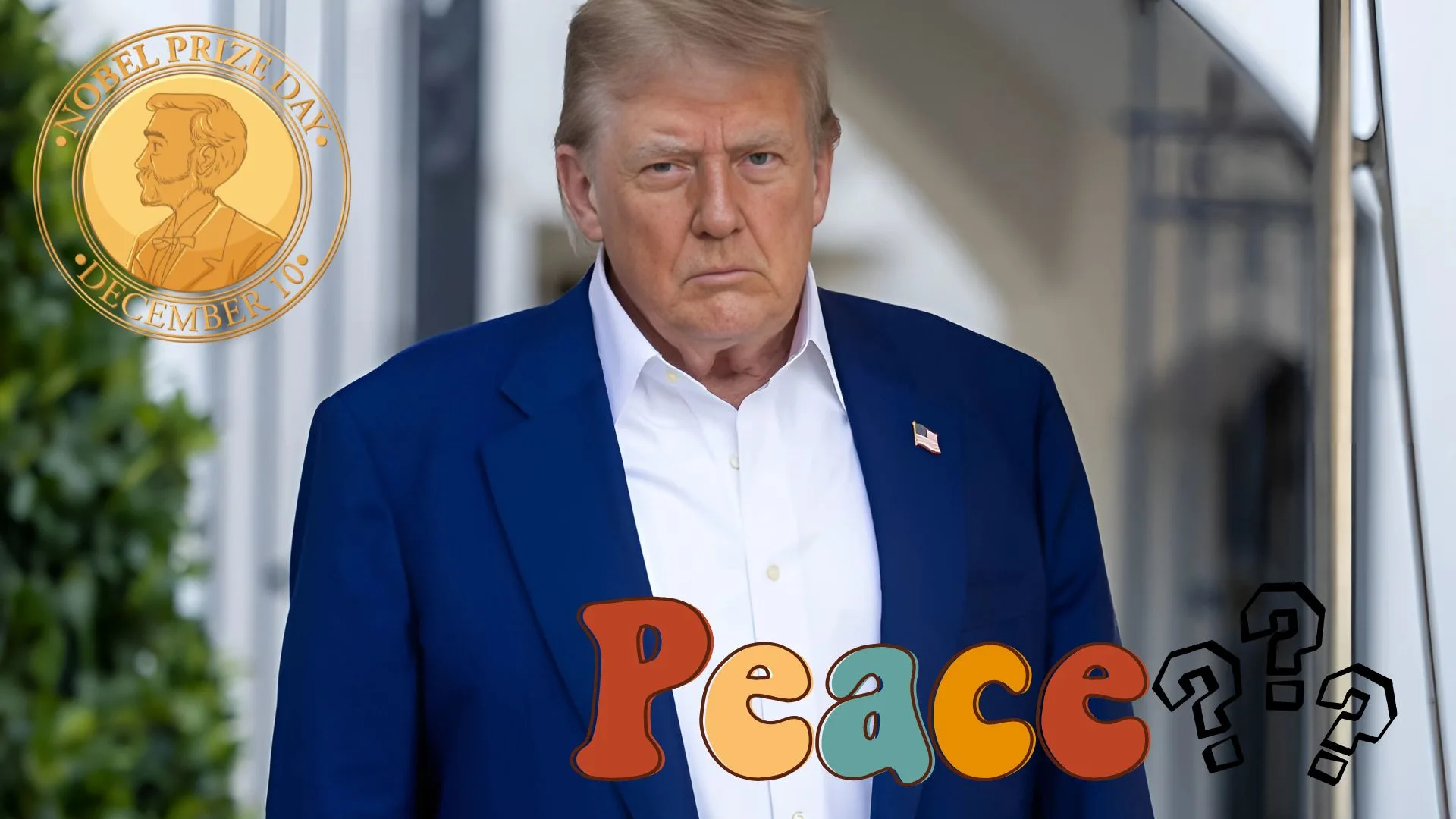
Peace, it seems, is a fickle mistress—especially when Donald Trump is involved. Here we are, barely months into his second presidency, watching a political spectacle that would make even the most seasoned diplomats shake their heads in bewilderment.
The man who styled himself as the “candidate of peace” is now juggling Nobel Prize nominations like a street performer with flaming torches, and frankly, some of those torches are starting to singe.
This isn’t just about a prestigious award—it’s about Trump’s desperate need to cement a legacy that transcends his Twitter tantrums and courtroom appearances.
The Nobel Peace Prize represents something he’s never quite managed to grasp: global respect that can’t be bought, bullied, or tweeted into existence.
The Nomination Circus Begins
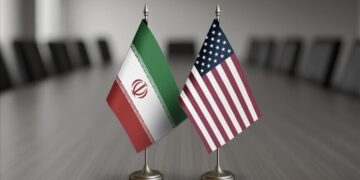
Representative Buddy Carter from Georgia—a man clearly eyeing a Senate seat and needing Trump’s golden endorsement—rushed to nominate the president faster than you can say “political opportunism.” His reasoning? Trump’s role in brokering a ceasefire between Iran and Israel.
“President Trump’s influence was instrumental in forging a swift agreement that many believed to be impossible,” Carter gushed in his letter to the Nobel Committee. But here’s the thing about impossible agreements—they often prove to be exactly that. Impossible.
The Iran-Israel ceasefire, which Trump announced with his characteristic bombast, began showing cracks almost immediately.
Tuesday saw both sides trading accusations of violations, with Trump frantically posting “PLEASE DO NOT VIOLATE IT!” on Truth Social. Nothing says “stable peace deal” quite like all-caps desperation on social media, right?
When Reality Bites Back
Then came the gut punch that should surprise absolutely no one who’s been paying attention.
Oleksandr Merezhko, the Ukrainian lawmaker who had originally nominated Trump back in November, withdrew his nomination with the kind of brutal honesty that cuts through political theater like a hot knife through butter.
“I have lost any sort of faith and belief in Trump and his ability to secure a ceasefire between Moscow and Kyiv,” Merezhko told Newsweek. Ouch. That’s not just a withdrawal—that’s a diplomatic mic drop.
And why wouldn’t he lose faith? Trump’s grand promise to end the Ukraine-Russia war within 24 hours has aged about as well as milk left in the sun.
We’re well past the two-week mark Trump gave himself, and instead of peace, we’re seeing the same tired diplomatic stalemates that have plagued this conflict from the beginning.
The Pakistan Paradox
But wait—there’s more! In a twist that would make soap opera writers jealous, Pakistan jumped on the Trump nomination bandwagon, praising his “decisive diplomatic intervention” in reducing tensions between Pakistan and India. For about 24 hours, Trump basked in the glow of Pakistani appreciation.
Then he ordered airstrikes on Iranian nuclear facilities.
Pakistan’s response was swift and stinging: the strikes “constituted a serious violation of international law.” Nothing quite captures the absurdity of modern diplomacy like nominating someone for a peace prize one day and condemning their military actions the next.
The Uncomfortable Truth About Trump’s “Peace” Record
Let’s strip away the political theater and look at what’s actually happening. Trump’s approach to peace seems to follow a predictable pattern: announce something dramatic, take credit for preliminary agreements, then watch as the whole thing slowly unravels while he moves on to the next crisis.
The Abraham Accords? Important, yes, but they normalized relations between Israel and countries that weren’t actively at war with it.
The Korea summits? Lots of handshakes and photo ops, but North Korea’s nuclear program chugged along unchanged. The Afghanistan withdrawal? Well, let’s just say that didn’t go according to plan.
Now we’re seeing the same playbook with Iran and Ukraine. Big announcements, bold claims, and then… reality sets in. Wars don’t end because a president tweets about them. Peace isn’t achieved through force of personality alone, no matter how much Trump believes in his own dealmaking mythology.
The Nobel Committee’s Dilemma
The Nobel Peace Prize Committee must be watching this unfold with the kind of resigned exhaustion that comes from dealing with political grandstanding year after year.
They’ve seen this movie before—remember when Barack Obama won in 2009 for, essentially, not being George W. Bush? Even Obama admitted he hadn’t earned it yet.
The committee knows that awarding Trump would be seen as legitimizing his chaotic approach to international relations. But they also know that withholding it—especially if any of his ceasefire efforts show even temporary success—would fuel years of “rigged system” complaints.
Can Trump Actually Win?
Here’s the million-dollar question: does Trump have a realistic shot at winning the Nobel Peace Prize?
The short answer is: it’s complicated. The longer answer requires looking at what the committee actually values. They don’t just reward temporary ceasefires or dramatic announcements. They look for sustained efforts toward peace, genuine conflict resolution, and long-term stability.
Trump’s record on all three counts is, to put it charitably, mixed. His tendency to escalate conflicts (see: Iranian airstrikes) while simultaneously claiming credit for resolving them doesn’t exactly scream “peacemaker.”
His revolving door of broken promises and abandoned initiatives suggests a president more interested in headlines than lasting solutions.
But—and this is important—the committee has surprised people before. If Trump somehow manages to broker a genuinely lasting peace deal, whether in Ukraine, the Middle East, or elsewhere, he could find himself in Stockholm come December.
The problem is that “somehow” is doing a lot of heavy lifting in that sentence.
The Bigger Picture
What we’re really watching isn’t just about Trump or the Nobel Prize. It’s about how we define success in international relations. Are we content with temporary truces and photo opportunities?
Or do we demand the harder work of building lasting institutions and relationships that can withstand the inevitable changes in leadership?
Trump’s approach represents the former—big gestures, bold claims, and moving on before the consequences become clear. The Nobel Committee, at its best, recognizes the latter—the patient, often thankless work of building peace that lasts beyond news cycles and Twitter storms.
The Verdict
So can Trump win the Nobel Peace Prize? Technically, yes. Will he? That depends on whether he can resist his worst impulses long enough to see any of his initiatives through to completion. Given his track record of starting more conflicts than he finishes, the smart money says no.
But in Trump’s world, the nomination itself is often the point. It generates headlines, provides talking points for supporters, and feeds into the narrative that he’s being unfairly denied recognition for his accomplishments. Whether those accomplishments actually exist seems almost beside the point.
The real tragedy isn’t that Trump might not win the Nobel Peace Prize. It’s that in our current political moment, we’ve become so accustomed to chaos masquerading as leadership that we’ve forgotten what genuine peacemaking looks like.
Maybe that’s the lesson here—not whether Trump deserves recognition, but whether we deserve leaders who understand that peace isn’t a performance, it’s a process.
And yes, that process requires a lot more patience than Trump has ever shown for anything that doesn’t have his name on it in gold letters.