



















lt’s no secret that healthcare in Nigeria faces significant challenges. From long waiting times to a shortage of medical professionals, the system can sometimes feel overwhelming. But here’s the silver lining: telemedicine.
Telemedicine is rapidly changing the way healthcare is delivered in Nigeria, offering a more efficient, accessible, and sometimes even life-saving alternative to traditional in-person visits.
But what does telemedicine really mean for Nigerians like you and me? How can it make a difference in our daily lives? Let’s dive into how this technology is revolutionizing healthcare delivery in Nigeria, and l’ll throw in some personal experiences to help bring it to life!
What is Telemedicine?
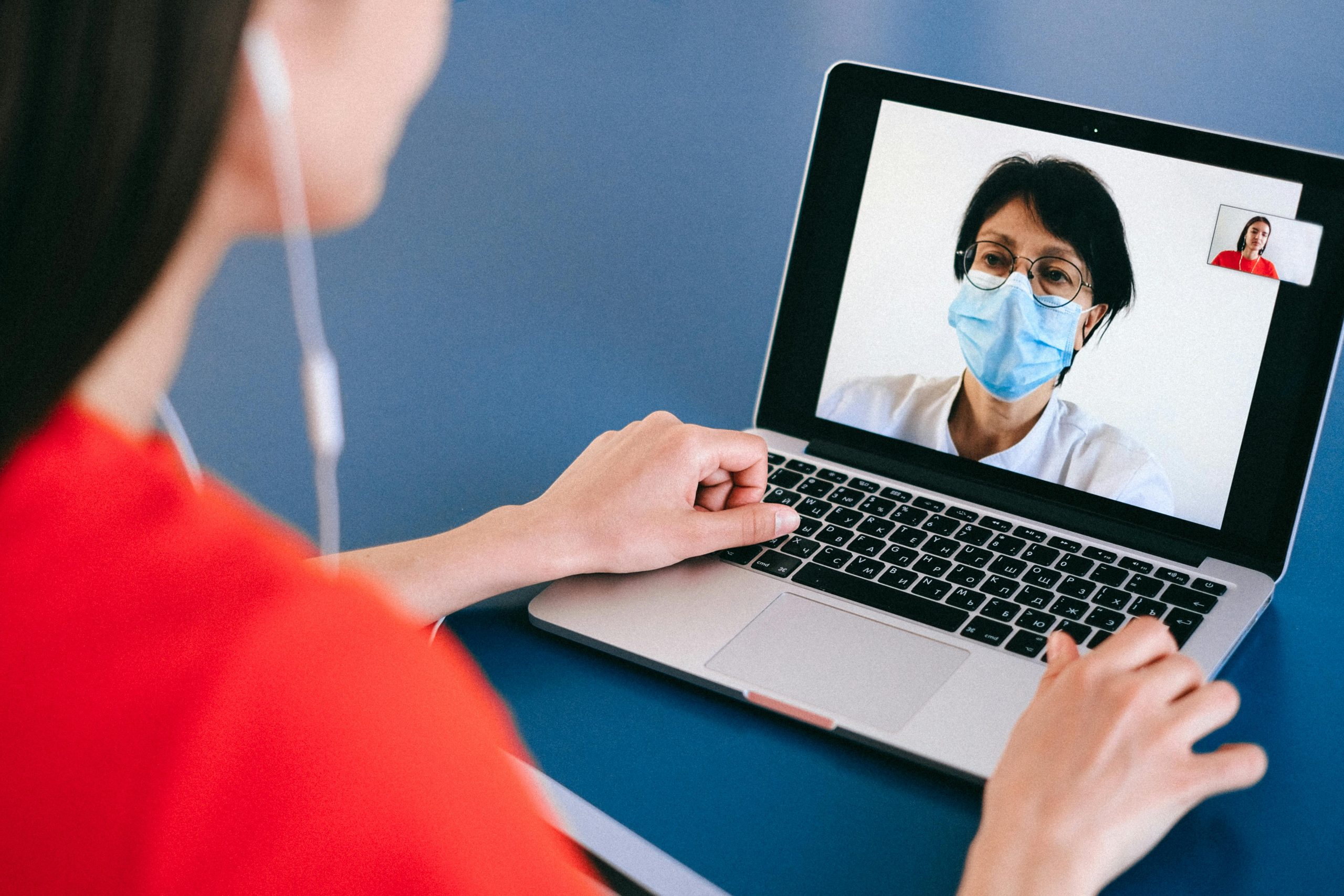
Simply put, telemedicine allows you to consult a healthcare professional remotely using technology—often through video calls, phone calls, or even text messages. You don’t have to physically visit a clinic or hospital for every issue anymore.
lnstead, you can have a doctor at your fingertips, literally! lt feels like the stuff of science fiction, but it’s real, and it’s already happening here in Nigeria.
With telemedicine, patients can access doctors from anywhere in the country—whether you’re in Lagos or a remote village in Kaduna. You can discuss symptoms, receive a diagnosis, and even get a prescription, all without leaving the comfort of your home.
This can be a game-changer for many Nigerians, especially those in rural areas where healthcare facilities are scarce.
My First Telemedicine Experience: Convenience at lts Best
Let me share my first telemedicine experience. lt happened a few months ago, and honestly, l wasn’t sure what to expect. l woke up with a nagging headache and some mild fever, which is usually a sign of malaria for me (hello, Nigeria!).
Normally, l would have to trek to the nearest clinic, wait for hours, and hope to see a doctor by afternoon.
But that day, a friend recommended a telemedicine app she had been using, so l decided to give it a shot. l downloaded the app, filled out my symptoms, and within 10 minutes, l was chatting with a licensed doctor via video call.
She diagnosed me with malaria based on my symptoms and advised me to get a test done to confirm, which l could conveniently do at the closest lab.
After the test confirmed malaria, she prescribed medication, which l picked up at a nearby pharmacy.
From feeling ill to getting treatment, the entire process took less than two hours—without the usual hassle of clinic waiting rooms! l remember thinking, “Why didn’t l try this earlier?” lt was a breath of fresh air.
The Challenges Telemedicine Solves in Nigeria
Telemedicine isn’t just about convenience; it addresses some of the deeper issues plaguing Nigeria’s healthcare system.
1. Access to Healthcare in Rural Areas
ln Nigeria, a significant portion of the population lives in rural areas where healthcare facilities are few and far between. For many people, accessing basic healthcare means traveling long distances, often on poor roads, only to reach understaffed clinics.
Telemedicine can change that. Through mobile phones (which are widespread in Nigeria), people in remote areas can now access medical professionals without making those difficult trips.
For instance, an expectant mother in a rural village can have a consultation with an obstetrician miles away in the city. This could be life-saving in emergency situations or when continuous care is needed.
2. Reducing Overcrowding in Hospitals
lf you’ve ever visited a public hospital in Nigeria, you know how crowded and chaotic it can be. Long queues, overworked doctors, and limited space make receiving prompt care almost impossible at times.
Telemedicine helps alleviate this burden by reducing the number of non-emergency cases that flood the hospitals. lnstead of going to the hospital for mild ailments or routine consultations, patients can now opt for virtual consultations.
3. Dealing with the Doctor-to-Patient Ratio Crisis
Nigeria has a severe shortage of doctors. The World Health Organization (WHO) recommends a doctor-to-patient ratio of 1:600, but in Nigeria, it’s closer to 1:5,000!
That’s a staggering figure, and it means that doctors are overworked and patients are often left waiting for hours—or even days—to see a healthcare provider.
Telemedicine can help bridge this gap by increasing access to doctors, regardless of their location. Doctors in major cities like Lagos or Abuja can now consult with patients in other parts of the country without needing to be physically present.
This helps distribute healthcare services more evenly across the population, making healthcare more accessible to those in underserved regions.
How Telemedicine is Helping During the COVlD-19 Pandemic
The COVlD-19 pandemic underscored the importance of telemedicine globally, and Nigeria was no exception.
During the lockdown, when hospitals were overwhelmed with COVlD cases, many people hesitated to visit healthcare facilities for fear of exposure to the virus. This is where telemedicine came in clutch.
l remember a family friend who had mild COVlD-19 symptoms. She was terrified of going to the hospital, not wanting to infect others—or herself. lnstead, she consulted with a doctor through a telemedicine app and was able to receive treatment instructions from the safety of her home.
She managed her symptoms at home under virtual medical supervision, avoiding what could have been a dangerous trip to a hospital packed with COVlD patients.
Telemedicine allowed thousands of Nigerians to seek care while minimizing the risk of spreading the virus. The pandemic, though tragic, showed us the potential of telemedicine as a vital tool for managing healthcare crises.
Challenges Telemedicine Faces in Nigeria
Of course, it’s not all sunshine and roses. Telemedicine in Nigeria still faces significant challenges.
1. Limited lnternet Access
While mobile phones are widespread in Nigeria, reliable internet access isn’t. ln rural areas especially, internet coverage can be spotty, which poses a challenge for video consultations.
However, some telemedicine platforms offer consultations via phone calls or text messages to circumvent this issue. lt’s a step in the right direction, but there’s still a lot of work to be done in expanding internet infrastructure.
2. Skepticism and Trust lssues
For many Nigerians, the idea of consulting a doctor without seeing them in person feels strange. There’s often a deep-rooted skepticism about whether telemedicine is as effective as face-to-face consultations.
This is particularly true among older generations who are more accustomed to traditional methods of seeking healthcare.
Building trust in telemedicine will take time, but it’s happening gradually. As more people experience the convenience and reliability of virtual consultations (like l did with my malaria case), the skepticism is slowly being replaced by trust and appreciation.
3. Data Privacy Concerns
With healthcare moving online, there are concerns about the privacy and security of personal medical information.
Telemedicine platforms need to ensure that they comply with data protection regulations and guarantee the confidentiality of patient records. ln a country where cybersecurity is still a growing field, this is an area that needs attention.
The Future of Telemedicine in Nigeria: The Sky’s the Limit!
Despite these challenges, the future of telemedicine in Nigeria looks incredibly bright.
With the government’s increased focus on digital health initiatives and the growing adoption of technology across all sectors, telemedicine is on the verge of becoming a permanent fixture in our healthcare system.
ln fact, we are already seeing partnerships between private healthcare providers and tech companies to expand telemedicine services.
More Nigerians are also embracing health insurance schemes that include telemedicine, making it easier for people from all walks of life to access healthcare from the palm of their hands.
l firmly believe that as internet access improves, telemedicine will become even more widespread. lmagine a Nigeria where seeing a doctor is as easy as making a phone call!
No more long waits in hospital corridors, no more exhausting journeys to healthcare centers in distant cities. The potential is immense.
Conclusion: Telemedicine is Here to Stay
Telemedicine is revolutionizing healthcare delivery in Nigeria, bringing medical care to the people who need it most, wherever they are. While there are still hurdles to overcome—like internet access and trust issues—there’s no denying that telemedicine is already making a positive impact.
From easing the strain on overcrowded hospitals to improving healthcare access in remote areas, telemedicine is changing the face of healthcare in Nigeria.
And it’s about time! Healthcare, like every other sector, needs to evolve with the times. Telemedicine offers a glimpse into a future where healthcare is more accessible, efficient, and responsive to the needs of the people.
l, for one, am excited to see where this revolution takes us. lt’s a whole new world out there, and telemedicine is leading the charge!