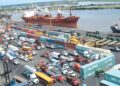




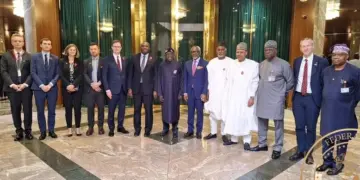












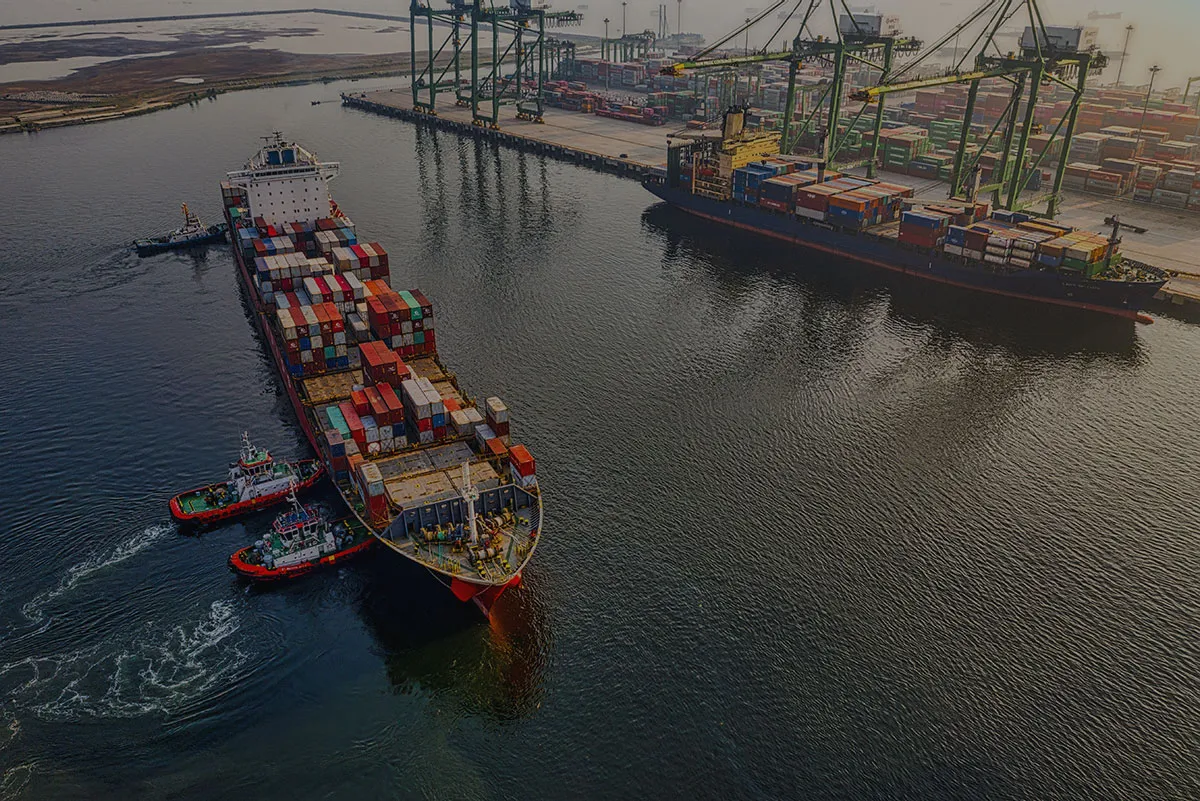
LAGOS — In a move that fundamentally reshapes the maritime landscape of West Africa, A.P. Moller-Maersk, the world’s largest container shipping company, has officially secured a 45-year concession to operate and modernize key terminal infrastructure at the Lagos Port Complex.
The deal, finalized on March 17, 2026, represents one of the longest and most significant private-sector commitments to Nigeria’s maritime infrastructure in decades.
This long-term partnership is being viewed as a “vote of confidence” in the Nigerian economy and a critical step in the government’s strategy to transform Lagos into the primary maritime gateway for the African Continental Free Trade Area (AfCFTA).
The Deal at a Glance: Strategic Terms
The concession, granted through Maersk’s terminal operating arm, APM Terminals, involves a multi-phase investment plan designed to triple the port’s current efficiency.
- Duration: 45 years (extending into the 2070s).
- Initial Capital Injection: Estimated at $600 million for immediate berth deepening and crane electrification.
- Technological Integration: Implementation of AI-driven yard management and automated gate systems to reduce truck turnaround times from days to hours.
- Environmental Commitments: A mandate to transition the terminal to net-zero operations by 2040, including the installation of shore-side power for docking vessels.
Why Maersk? The Global “End-to-End” Strategy
Maersk’s decision to lock in a nearly half-century commitment to Lagos is part of its global transition from a “port-to-port” shipping line to an “integrated logistics” provider.
- Supply Chain Control: By controlling the terminal, Maersk can prioritize its own vessels and offer guaranteed “berth windows,” significantly reducing the congestion surcharges that have historically plagued Lagos.
- The Lekki-Lagos Synergy: While the new Lekki Deep Sea Port handles ultra-large container ships, the modernized Lagos Port Complex (Apapa/Tin Can) will focus on high-frequency regional trade and specialized “reefer” (refrigerated) cargo for Nigeria’s growing agricultural exports.
- Inland Connectivity: The deal includes provisions for improved rail integration, allowing containers to move directly from the Maersk terminal to the national rail line, bypassing the notorious “Apapa Gridlock.”
Economic Impact: Beyond the Waterfront
The Nigerian government expects the 45-year concession to act as a massive “multiplier” for the national economy.
1. Drastic Reduction in “Hidden Costs”
Logistics costs currently account for an estimated 15-20% of the retail price of goods in Nigeria. By modernizing terminal operations, Maersk aims to cut these costs by 30%, potentially lowering the price of imported essentials and making Nigerian exports more competitive globally.
2. Job Creation and Skill Transfer
The modernization project is expected to create over 5,000 direct and indirect jobs. Critically, Maersk has committed to a “Maritime Center of Excellence” in Lagos to train Nigerian engineers and logistics specialists in automated terminal operations.
3. Revenue Stability
For the Federal Government, the concession provides a guaranteed, long-term revenue stream through lease fees and royalty payments, which are pegged to container throughput volumes.
The Competitive Landscape: The Battle for West Africa
Maersk’s move is a direct response to aggressive expansion by other global players in the region.
- DP World: Recently secured major footprints in Senegal and Angola.
- Bolloré/MSC: Following MSC’s acquisition of Bolloré Africa Logistics, the Mediterranean Shipping Company has been consolidating its hold on the Abidjan and Lomé hubs.
- China Merchant Ports: Maintains a significant stake in the Lekki Deep Sea Port.
By securing a 45-year term in Lagos, Maersk has effectively “fenced off” its territory in West Africa’s largest consumer market.
Lagos Port Concession
In 2026, the “Lagos Port Concession” is more than just a business deal; it is an infrastructure anchor. While 45 years is a staggering timeframe, it matches the horizon needed for Africa’s industrial revolution.
For Nigeria, the challenge will be ensuring that the regulatory oversight is as modern as the cranes Maersk intends to install.