




















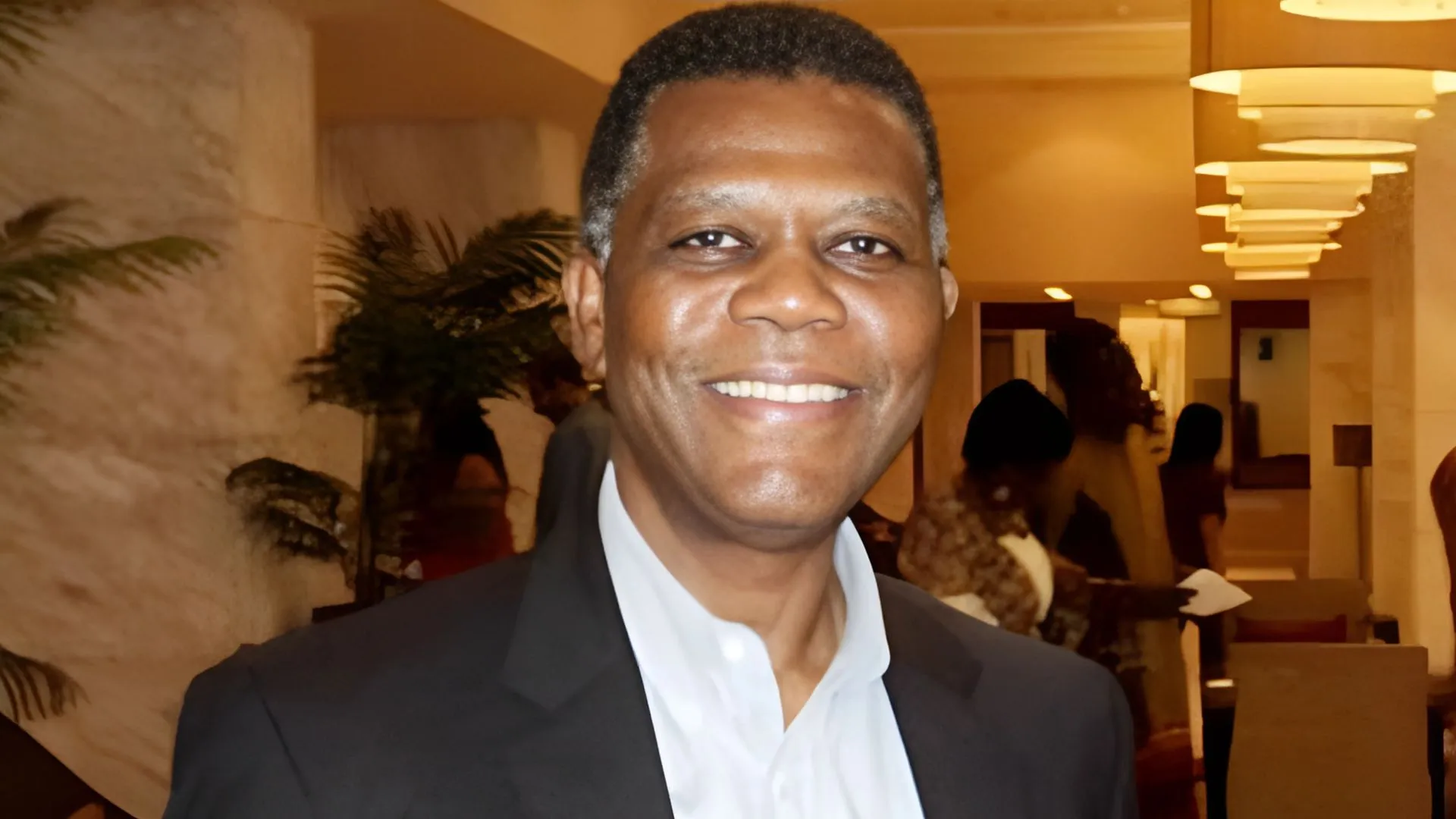
While flashy tech entrepreneurs grab headlines, Nigeria’s most understated mogul has been quietly building billions through hospitality, law, and strategic patience.
There’s something fascinating about a billionaire who doesn’t need to shout about it.
In a world where wealth often comes with Instagram posts and Twitter declarations, Goodie M. Ibru represents something refreshingly different—the art of making serious money while maintaining an almost academic composure.
And boy, has he been making money! Ikeja Hotel Plc just dropped their Q1 2025 results, and frankly, the numbers are staggering. We’re talking about a pre-tax profit of N2.4 billion—that’s a mind-blowing 194% increase from the previous year.
But here’s the thing that really gets me: this isn’t some overnight success story or lucky break. This is the result of over fifty years of methodical, strategic empire-building.
The Foundation Years: More Than Just Hotels
When Ibru incorporated Properties Development Limited back in November 1972 (later becoming Ikeja Hotel), Nigeria was a completely different country.
The oil boom was just beginning, Lagos was transforming, and most importantly, there was a massive gap in quality hospitality services. While others were chasing quick wins, Ibru saw the long game.
What strikes me most about his approach is how he didn’t just build hotels—he built an ecosystem. As a lawyer and founder of G.M. Ibru & Co., he understood the legal frameworks that would protect and grow his investments.
This wasn’t just about having nice rooms; it was about creating a business that could weather Nigeria’s notoriously volatile economic storms.
The numbers from their latest earnings report tell an incredible story. Revenue hit N6.1 billion in Q1 2025 alone, representing a 57% year-over-year increase.
But here’s what’s really impressive: the majority of that revenue—N4.2 billion—came from room accommodations. That’s not luck; that’s decades of building a reputation that keeps guests coming back.
The Sheraton Strategy: Playing the Long Game
Let’s talk about something that doesn’t get enough attention—Ibru’s genius move with the Sheraton brand. Today, Ikeja Hotel boasts direct or indirect ownership of three of Nigeria’s leading five-star hotels: Sheraton Lagos, Sheraton Abuja, and Federal Palace Hotels & Casino.
Think about that for a moment. While other investors were jumping from sector to sector, chasing the next big thing, Ibru was quietly becoming the king of premium hospitality in Nigeria’s most important cities. It’s like he saw the future of business travel and positioned himself perfectly for it.
The beauty of this strategy becomes clear when you look at the consistency of his returns. Even during challenging economic periods, people still need quality accommodation.
Business travelers, government officials, international visitors—they all need somewhere reliable to stay. Ibru didn’t just build hotels; he built the infrastructure that Nigeria’s growing economy depends on.
Beyond Hotels: The Real Empire
Here’s where it gets really interesting, and where I think people underestimate just how wealthy and influential Ibru really is. His role as Vice President (West Africa) of the African Business Roundtable isn’t just a fancy title—it’s a position that puts him at the center of major investment decisions across West Africa.
When you’re mobilizing “both international and domestic resources into strategic West African growing markets,” you’re not just talking about millions—you’re talking about billions in capital flows.
The African Business Roundtable, which he helped found in the late 80s, has been instrumental in promoting private sector development across the continent.
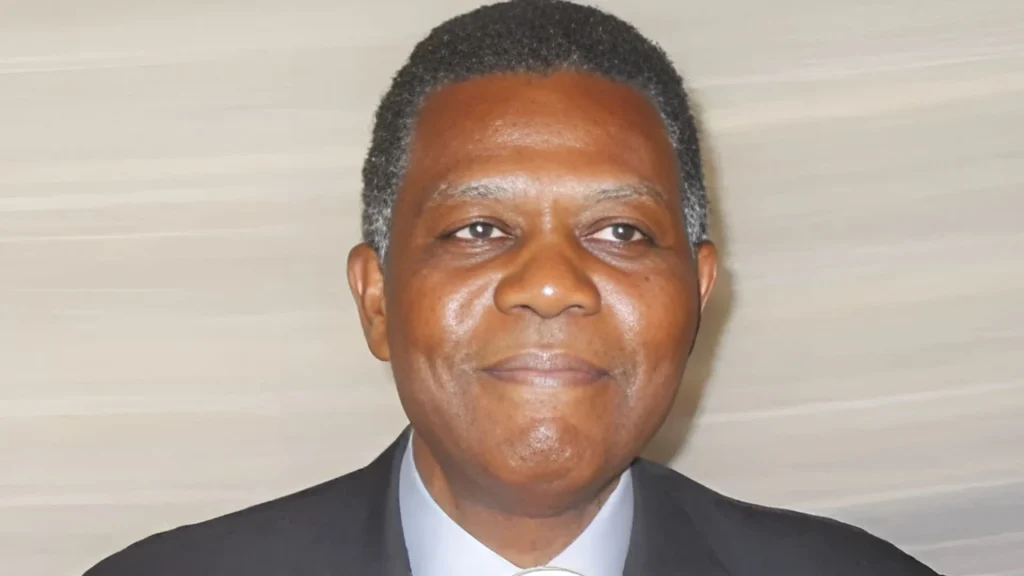
What’s fascinating is how he describes the evolution: “When the ABR started in the late 80’s, governments across Africa dominated the economic space to the exclusion of private sector entities.” Ibru didn’t just witness this transformation—he helped drive it.
That’s the kind of influence that creates generational wealth.
The Numbers Don’t Lie: A Quiet Fortune
Let’s get back to those stunning Q1 2025 results, because they reveal just how profitable his empire has become. Operating profit jumped 151% to N2.43 billion, while total assets now sit at N86 billion. But here’s what really caught my attention: retained earnings grew to N15.8 billion, marking an 11% increase.
Retained earnings are like the secret sauce of wealth building—it’s the money the company keeps to reinvest and grow. When you see retained earnings consistently growing, especially at this scale, you’re looking at a wealth-generating machine that’s been fine-tuned over decades.
The dividend payment of 15 kobo per share might seem modest, but remember—this is on top of massive capital appreciation. Ikeja Hotel shares have delivered an 87.5% year-to-date performance in 2025 alone.
If you’d bought shares when they were trading at lower prices, you’d be sitting very pretty right now.
The African Vision: Billions in Potential
What really gets me excited about Ibru’s story is his vision for Africa. When he talks about the AfCFTA (African Continental Free Trade Area), you can hear the passion in his analysis.
He sees Africa’s “huge population, vast landscape, natural and mineral resources” not as abstract concepts, but as concrete business opportunities.
His assessment is brutally honest: “Africa’s contribution to global trade is just 2%.” But rather than being discouraged, he sees this as massive upside potential. When someone with his track record of building billion-naira businesses talks about continental opportunities, you pay attention.
The African Business Roundtable’s focus on technology adoption and youth leadership isn’t just feel-good corporate speak—it’s strategic positioning for the next wave of African economic growth. And given Ibru’s track record of being early to major trends, I wouldn’t bet against him being right again.
The Understated Mogul
What I find most impressive about Goodie M. Ibru is how he’s built this empire without the drama that often accompanies serious wealth in Nigeria. No flashy lifestyle posts, no political controversies, no headline-grabbing acquisitions.
Just steady, methodical wealth creation through strategic investments and operational excellence.
His approach reminds me of Warren Buffett’s philosophy: find good businesses, invest for the long term, and let compound growth do the heavy lifting. The difference is that Ibru did it in Nigeria’s challenging business environment, which makes his success even more remarkable.
The latest financial results suggest this quiet wealth-building machine is just hitting its stride. With revenue growing 57% year-over-year and profit margins expanding, Ikeja Hotel looks positioned for continued growth.
And given Ibru’s track record of strategic patience, I suspect we’re seeing just the beginning of what this empire can become.
The real question isn’t whether Goodie M. Ibru is wealthy—the numbers make that clear. The question is: in a continent full of potential, what will he build next?