





















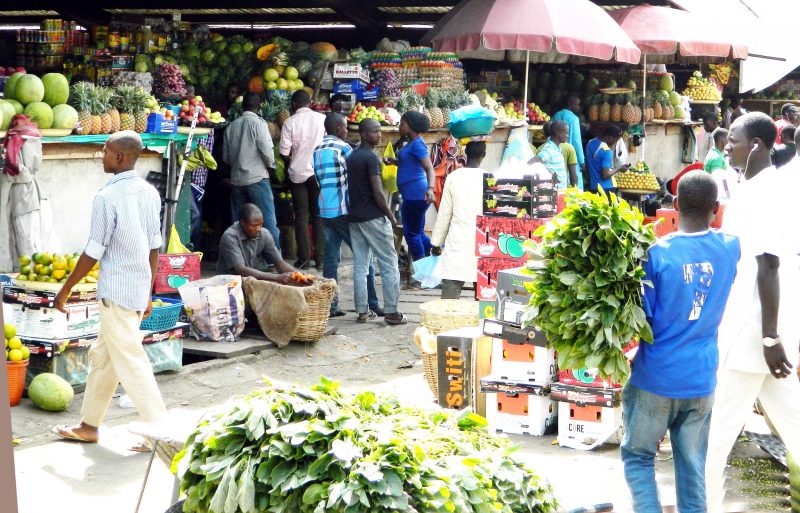
ABUJA — While Nigeria’s national headline inflation eased slightly to 15.06% in February 2026, the cost of living remains a tale of two countries. Depending on where you live, the price of a basket of tomatoes or a bag of rice can vary wildly due to local harvest yields, security stability, and transport logistics.
According to the latest rankings based on National Bureau of Statistics (NBS) data, several states—particularly in the North and Southeast—are providing a much-needed “inflation cushion” for residents.
Here are the 10 most affordable states to live in Nigeria as of February 2026, ranked by their headline inflation rates.
The Affordability Leaderboard: February 2026
| Rank | State | Headline Inflation | Food Inflation |
| 1 | Katsina | 7.78% | 5.1% |
| 2 | Imo | 11.66% | 7.6% |
| 3 | Ebonyi | 11.71% | 10.3% |
| 4 | Zamfara | 12.29% | 16.7% |
| 5 | Kaduna | 13.52% | 11.6% |
| 6 | Bauchi | 13.60% | 7.1% |
| 7 | Kano | 14.17% | 11.8% |
| 8 | Abia | 14.68% | 10.6% |
| 9 | Borno | 14.88% | 16.1% |
| 10 | Edo | 15.40% | 17.7% |
Key Takeaways: Winners and Outliers
1. The Katsina Miracle
At just 7.78%, Katsina is the only state in Nigeria currently boasting single-digit headline inflation. More impressively, its food inflation sits at a remarkably low 5.1%.
This suggests that local agricultural output and distribution networks in the state have successfully insulated residents from the price shocks felt in coastal cities like Lagos or Port Harcourt.
2. The Southeast’s Silent Stability
Imo (11.66%) and Ebonyi (11.71%) have emerged as the southern champions of affordability. Despite the general high cost of logistics in the South, these two states have maintained relatively low food prices (7.6% and 10.3% respectively), making them attractive hubs for civil servants and retirees.
3. The Zamfara/Borno Paradox
While Zamfara and Borno appear on the list due to lower headline inflation, their food inflation remains high (16.7% and 16.1%).
This indicates that while housing or services might be cheaper in these conflict-impacted zones, the cost of bringing food to market remains a significant burden on the average household.
4. Edo’s Strategy for Growth
Rounding out the top 10, Edo State (15.4%) is slightly above the national average but remains a “price anchor” in the South-South.
Governor Monday Okpebholo’s N939.85 billion “Budget of Hope” is specifically targeting the 17.7% food inflation rate by pumping N614 billion into road rehabilitation and drainage to lower the “transport tax” on local farm produce.
The Inflation Gap
In 2026, the “Inflation Gap” in Nigeria is widening. A resident in Katsina is experiencing a price environment that is nearly half as expensive as someone living in a high-inflation hub.
For businesses looking to expand or families looking to relocate, these figures suggest that the North-West and select parts of the South-East currently offer the best “purchasing power” in the country.