

























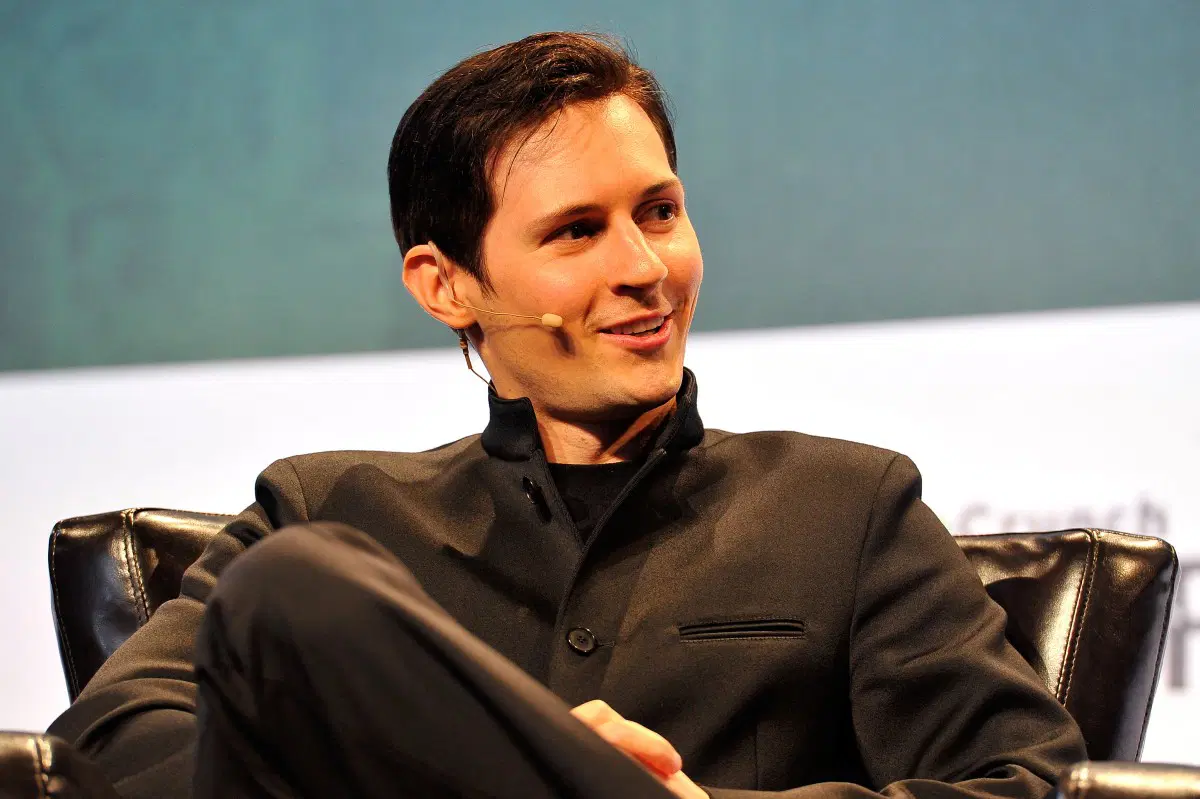
When you think of billionaire inheritance stories, you probably imagine a few children fighting over massive wealth. But Pavel Durov, the man behind Telegram, has a very different story to tell.
The 40-year-old tech billionaire recently announced something that sounds almost unbelievable: he plans to split his $17.1 billion fortune equally among over 100 children.
Yes, you read that right. Over 100 children.
The Shocking Numbers Behind the Story
Pavel Durov isn’t just another tech billionaire with a typical family setup. While he has six biological children with three different partners, his family tree extends much further than most people would expect.
Fifteen years ago, Durov made a decision that would change many lives forever. He began donating reproductive material to fertility clinics.
What started as a simple donation program has resulted in something extraordinary: over 100 children have been conceived across 12 different countries using his genetic material.
Think about that for a moment. In 12 countries around the world, some children share Durov’s DNA, many of whom probably don’t even know their biological connection to one of the world’s richest men.
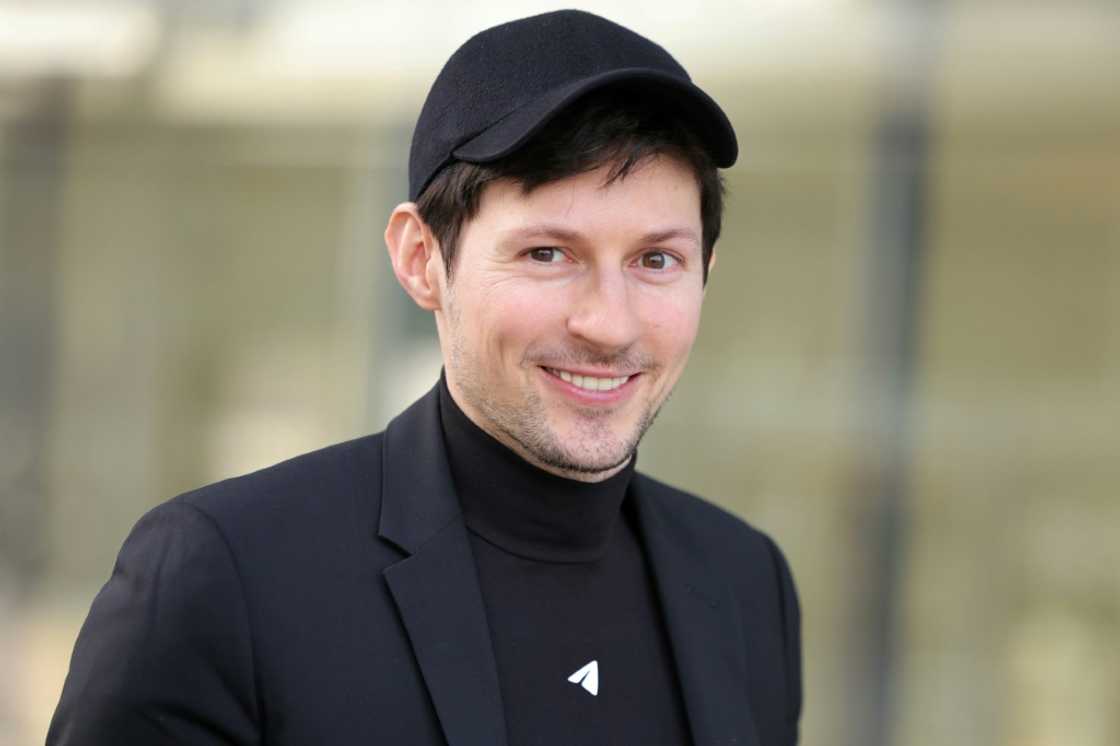
At 40 years old, Durov isn’t exactly at retirement age. So why is he already planning his inheritance? The answer lies in the dangerous nature of his work.
As the founder and CEO of Telegram, Durov has made some powerful enemies. His messaging app is known for its strong privacy features and refusal to cooperate with government surveillance requests. This stance has put him in direct conflict with several governments around the world.
“Defending freedoms earns you many enemies, including within powerful states,” Durov explained. This isn’t just paranoia talking. The man has already been forced to flee Russia and has faced criminal charges in France.
He currently lives in the United Arab Emirates and holds multiple citizenship as a form of protection.
When you’re constantly fighting powerful governments over digital privacy rights, planning for the worst-case scenario isn’t just smart – it’s necessary.
The 30-Year Wait: Teaching Independence
Here’s where Durov’s plan gets interesting. His children won’t be able to touch their inheritance for 30 years. That’s right – even after he dies, the money stays locked away for three decades.
Why such a long wait? Durov has a clear philosophy about wealth and character building. He wants his children to “live like normal people, to build themselves up alone, to learn to trust themselves, to be able to create, not to be dependent on a bank account.”
This approach tackles one of the biggest problems wealthy families face: children who never learn to work or create value because they know a massive inheritance is waiting for them. By forcing a 30-year delay, Durov ensures his children will need to build their own lives and careers first.
It’s actually a brilliant strategy. By the time these children can access their inheritance, they’ll be well into their adult lives. They’ll have already established careers, learned the value of work, and developed their sense of purpose. The inheritance becomes a bonus rather than a crutch.
The Man Behind Telegram’s Success
To understand why this inheritance matters so much, you need to know how Durov built his fortune in the first place.
Durov started coding when he was young, and by 2006, fresh out of college, he launched Vkontakte (VK) – essentially Russia’s version of Facebook. The platform became hugely successful and dominated the Russian social media landscape.
But success came with a price. In 2013, Ukrainian protesters used VK to organize against their pro-Russian president. This caught the attention of the Kremlin, who demanded access to user data. True to his principles, Durov refused to hand over the information. The result? He was forced to leave Russia.
This experience shaped Durov’s approach to his next venture. In 2013, he founded Telegram with privacy and user protection as core principles. The app allows groups of up to 200,000 members and focuses on encrypted messaging – features that give it an edge over competitors like WhatsApp.
Today, Telegram has over one billion monthly active users, and Durov’s net worth has reached $17.1 billion.
The Legal Troubles That Won’t Go Away
Durov’s commitment to privacy hasn’t made his life easier. Telegram faces constant legal challenges from governments who want access to user data or want the platform to moderate content more aggressively.
In 2024, Durov faced criminal charges in France. The accusations centered around his alleged failure to moderate the app to prevent illegal activities like drug trafficking and fraud. Critics argue that Telegram’s privacy features make it a haven for criminals.
Durov’s response is straightforward: “Just because criminals use our messaging service among many others doesn’t make those who run it criminals.” He argues that privacy is a fundamental right and that criminals will find ways to communicate regardless of which platforms are available.
This ongoing battle with law enforcement agencies around the world is exactly why Durov feels the need to prepare his will early. When you’re constantly fighting powerful institutions over principles, personal safety becomes a real concern.
What This Means for the Future
Durov’s inheritance plan raises fascinating questions about wealth, family, and responsibility in the digital age.
First, there’s the practical challenge of managing such a complex inheritance. How do you fairly distribute billions of dollars among 100+ people spread across 12 countries? How do you verify identities and prevent fraud? These logistical challenges alone will require an army of lawyers and financial advisors.
Then there’s the philosophical question: Is this approach to parenting and inheritance better than traditional methods? By forcing his children to wait 30 years and build their own lives first, Durov is essentially conducting a massive experiment in character development.
The Broader Impact on Tech Leadership
Durov’s story also highlights the unique pressures facing tech leaders who prioritize user privacy over government cooperation. Unlike traditional business leaders who might face regulatory challenges, tech privacy advocates like Durov face personal safety risks and constant legal battles.
This reality is shaping how tech leaders think about succession planning and family protection. When your business philosophy puts you in conflict with governments, traditional estate planning isn’t enough – you need to think like someone whose life might be in danger.
Looking Ahead
As Telegram continues to grow and face legal challenges, Durov’s inheritance plan serves as both a practical necessity and a statement of values.
He’s telling the world that he believes in earning your way in life, that privacy is worth fighting for even at personal cost, and that responsible wealth distribution requires forcing people to prove themselves first.
Whether his 100+ children will thank him for the 30-year wait remains to be seen. But one thing is certain: Durov has created one of the most unusual inheritance stories in business history.
His approach challenges conventional thinking about wealth, parenting, and responsibility. In a world where many wealthy children never learn to create value for themselves, Durov’s forced 30-year delay might just be the wake-up call the next generation needs.
Only time will tell if this grand experiment in delayed gratification and forced independence will create 100+ successful, self-reliant adults, or if it will be remembered as an overly complicated approach to a simple problem.
But given Durov’s track record of making unconventional decisions that ultimately prove successful, his children might want to start building those independent lives sooner rather than later.