





















ABUJA — Despite a landmark drop in national food inflation to single digits, the “cost of living” map across Nigeria remains starkly uneven. While the national headline inflation rate eased to 15.10% in January 2026, residents in certain states are still grappling with significantly higher price burdens.
According to the latest National Bureau of Statistics (NBS) Consumer Price Index (CPI) report, the disparity is no longer driven solely by food, but by a combination of high urban rents, transport costs, and localized supply chain disruptions.
In January 2026, the gap between the most and least expensive states remained wide, highlighting the “geography of inflation” in Nigeria.
The Top 10: Most Expensive States (All-Items Inflation)
The following states recorded the highest year-on-year increases in the “All-Items” index, which includes food, housing, energy, and services.
| Rank | State | Headline Inflation (YoY) | Primary Cost Driver |
| 1 | Adamawa | 23.7% | High logistics costs and border trade dynamics. |
| 2 | Katsina | 23.5% | Energy and transport-related price spikes. |
| 3 | Nasarawa | 22.3% | Urban spillover from Abuja; rising housing and utility costs. |
| 4 | Ekiti | 20.8% | Significant pressure from non-food items (Education/Health). |
| 5 | Osun | 20.8% | Stubborn service-sector inflation. |
| 6 | Kaduna | 20.6% | Balanced pressure between food and core components. |
| 7 | Edo | 20.2% | High costs of transportation and processed goods. |
| 8 | Abia | 19.9% | Market demand outpacing supply in urban centers. |
| 9 | Borno | 19.7% | Supply chain friction despite improving security. |
| 10 | Kogi | 19.5% | Transitioning from food-led to core-led inflation. |
Key Trends: Why These States?
1. The “North-East” Surge
Adamawa and Borno continue to feature prominently. While food prices have moderated, the “last-mile” delivery cost for manufactured goods and fuel remains higher in these regions due to their distance from major ports and secondary supply hubs.
2. The Abuja “Satellite” Effect
Nasarawa (#3) has become a permanent fixture on this list. As the Federal Capital Territory (FCT) becomes increasingly unaffordable, the mass migration to satellite towns in Nasarawa has triggered a “rent and service boom,” pushing the local inflation rate well above the national average.
3. The Shift to “Core” Inflation
In states like Ekiti and Osun, the headline rate is being propped up by “Core” components. While a bag of maize may be cheaper, the cost of school fees, medical services, and house maintenance has not followed the downward trend of food, keeping the overall cost of living high for the middle class.
Food Inflation vs. Headline Inflation
Interestingly, the states with the highest headline inflation are not always those with the highest food inflation. In January 2026:
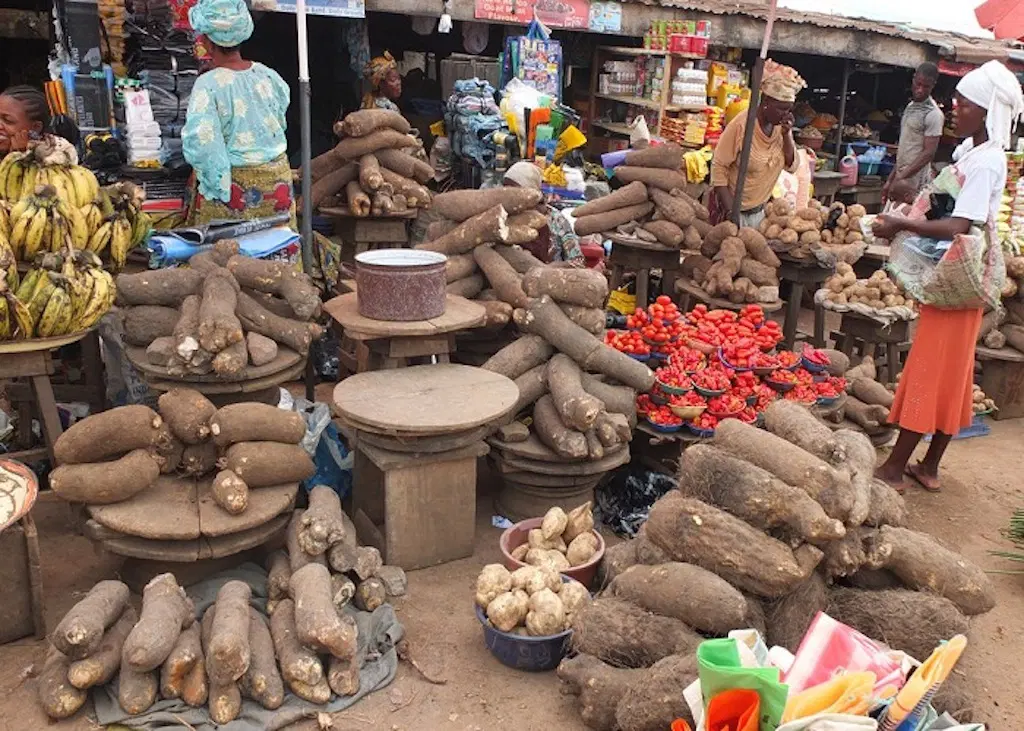
- Highest Food Inflation: Kogi (19.84%) and Benue (18.38%) remained the outliers, proving that even “Food Baskets” can face high prices if local distribution systems are inefficient.
- Lowest Food Inflation: States in the Southeast (Abia, Ebonyi) saw the most significant relief at the market stalls, contributing to their lower overall rankings compared to 2024.
Single-Digit Food Inflation
The “Single-Digit Food Inflation” headline is a victory for the federal government, but for residents of Adamawa or Nasarawa, the reality is more complex.
In 2026, being “expensive” is no longer just about the price of a loaf of bread—it’s about the cost of moving, living, and staying healthy in an urbanizing economy.