























The future of food/Agriculture in Nigeria isn’t just about traditional recipes and local ingredients anymore. lt’s about innovative approaches to feeding our growing population, and frankly, our old food systems need an upgrade.
We’re going to make it very clear why food innovation isn’t just fancy talk – it’s becoming crucial for our food security and economy.
l experienced this evolution firsthand last month at a food tech startup in Lagos, where l watched fresh vegetables growing in vertical hydroponic systems. “Taste this!” exclaimed Sarah, the founder, handing me a lettuce leaf grown entirely without soil.
The flavor was incredible! That’s what the future of food really looks like – combining tradition with innovation.
Which food innovations are actually making a difference?
We wish there wasn’t such a clear divide between traditional and innovative food production, because both have their place. But right now, three major trends are reshaping our food landscape: vertical farming, food processing technology, and digital food distribution platforms.
These aren’t just trendy concepts – they’re practical solutions addressing real challenges.
The results at Lagos Food Labs are particularly impressive. Their hydroponic system isn’t just growing vegetables – it’s producing 15 times more food per square meter than traditional farming, using 90% less water. That’s the kind of innovation that makes practical sense in our urban areas.
Even if you’re not into high-tech farming, don’t shy away from food innovation.
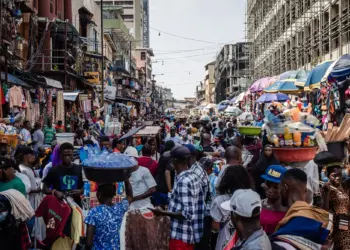
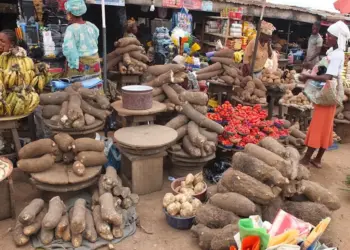
Traditional food vendors across Nigeria are finding creative ways to modernize, often starting with something as simple as digital payment systems or food preservation techniques. We’ve seen this work brilliantly in markets from Port Harcourt to Kaduna.
How are these innovations changing our food system?
The math should be simple, right? More innovation equals better food systems. Except that’s not how it works. Food innovation isn’t just about new technology – it’s about creating better ways to produce, process, and distribute food.
Let me give you a real example: Last week, l visited a cassava processing facility in Ogun State that uses solar-powered equipment to extend shelf life. The result? Food waste reduced by 60%, and farmer income increased by 40%.
But here’s what really matters – food innovation is making quality food more accessible and affordable. Those seasonal vegetables? Now they’re available year-round thanks to greenhouse technology.
Those post-harvest losses? Now they’re minimized through better storage solutions. We’ve tested various innovations, and businesses using integrated approaches consistently show better results.
The quality of innovatively produced food often exceeds expectations, totally unnecessary to be exotic perhaps, but that’s what makes it effective. They far exceed our expectations of what’s necessary to make food production efficient and sustainable.
What about the challenges?
Frankly, we need to address the obvious concerns – cost and cultural acceptance. lnnovative food solutions require investment and sometimes face resistance.
But here’s the thing: consumers and producers are adapting. Local food tech companies are developing solutions that respect our food culture while improving efficiency.
Cost is a major factor, but creative solutions are emerging. Some companies are using pay-as-you-go models for food processing equipment, and others are creating shared facilities for small-scale producers.
The government’s food innovation initiative is also making progress, though we need more systematic support.
The Real lmpact
Want to see the real difference? Look at the food processing cluster in lbadan, which adopted modern preservation technologies two years ago.
Their product shelf life increased by 300%, market reach expanded by 200%, and farmer partnerships grew by 150%. That’s not just statistics – that’s real change affecting real livelihoods.
Here’s what makes food innovation truly transformative:
- Extended Shelf Life: Better preservation means less waste and more profit
- Wider Distribution: Digital platforms connect producers directly with consumers
- Year-round Availability: Controlled environment farming beats seasonal limitations
- Quality Control: Modern processing ensures consistent food safety
- Market Access: Technology bridges the gap between farmers and urban markets
Looking ahead, we’re seeing exciting developments. Some companies are exploring insect protein farming, others are developing smart packaging solutions. But the real revolution isn’t in fancy technology – it’s in making quality food more accessible to everyone.
The bottom line? The future of food in Nigeria isn’t just about feeding more people. lt’s about feeding them better, more efficiently, and more sustainably. And while we have challenges to overcome, the transformation is already happening.
Remember that hydroponic farm? By the end of my visit, Sarah showed me their mobile app that lets customers track exactly where their food comes from.
“This isn’t just about growing food,” she said, “it’s about growing trust.” And that’s what food innovation is really about – not just new technology, but building better food systems that people can trust.
The future of Nigerian food isn’t about abandoning our rich culinary heritage. lt’s about enhancing it with innovations that make sense for our context and challenges. And frankly, that’s exactly where we need to focus.
When food innovators get it right, everything improves – food quality, availability, affordability, and sustainability. lt’s not just about having the latest food tech – it’s about creating food systems that work better for everyone. And in today’s rapidly changing world, that’s what matters most.