




















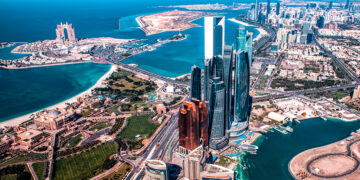



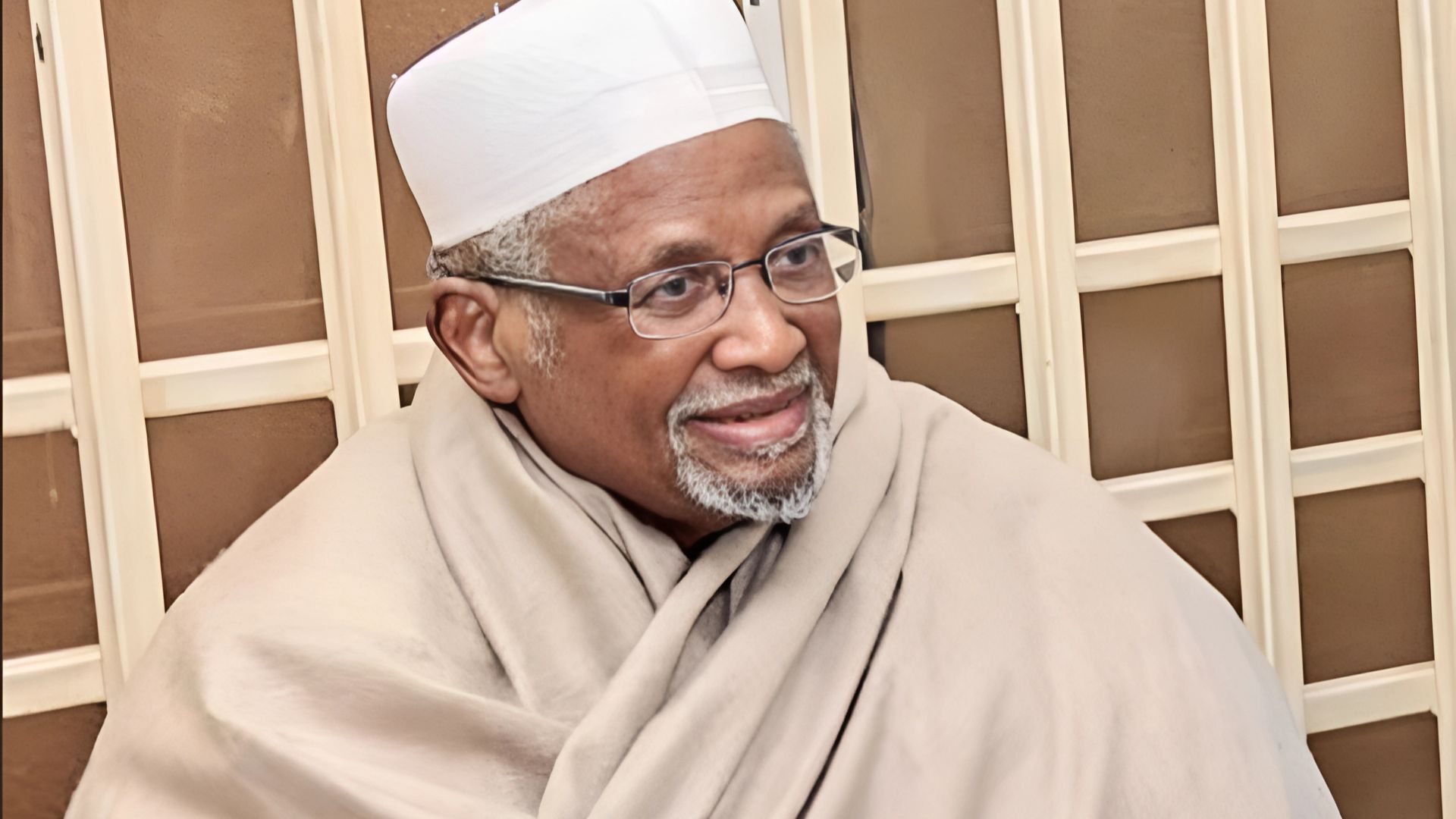
When giants walk among us, we rarely notice until they’re gone. The call came on a Friday night in Abu Dhabi. Aminu Alhassan Dantata—the last surviving son of Nigeria’s legendary merchant prince—had finally answered the summons he’d been expecting for years.
At 94, the man who once casually bought jets like most people buy cars had reached the end of an extraordinary journey, that began in the dusty trading posts of colonial Nigeria, and ended as one of Africa’s most enigmatic business titans.
“I’m waiting for my time,” he had said just three years ago. Now that time had come, and with it, the closing of a chapter in Nigerian business history that will never be written again.
The Boy Who Started Before Ten
Most children at nine are worried about playground politics. Aminu Dantata was learning the art of commerce. Born the 15th of 17 children into the Dantata dynasty—think of them as Nigeria’s equivalent to the Rockefellers—young Aminu didn’t get the luxury of a carefree childhood.
His father, Alhassan Dantata, the groundnut king who built an empire from scratch, had a simple philosophy: start them young, start them right.
“It was a family tradition,” those who knew him would later recall. By the time his classmates at Dala Primary School were still figuring out basic arithmetic, Dantata was already calculating profit margins, and understanding currency fluctuations.
The irony wasn’t lost on anyone—here was a boy born into wealth who was being trained to earn it all over again.
At 24, when most young men his age were still finding their footing, Dantata was already the Sokoto district manager of the family empire. At 36, he bought his first aircraft for $15,000.
A year later—and this is where you know you’re dealing with a different breed of businessman—he sold it and upgraded to a $2.5 million jet. Because why settle for adequate when you can have exceptional?
“Just rich enough to take care of myself,” he would later say with characteristic understatement. The man who owned land “all over the world” describing himself as merely comfortable. Classic Dantata—profound wealth wrapped in humble packaging.
When Fate Reshuffles the Deck
1960 changed everything. Ahmadu, his elder brother and the designated heir to the family throne, died unexpectedly. Suddenly, the 15th child found himself at the helm of an empire he never expected to lead. Some men crumble under such pressure. Others, like Dantata, use it as fuel.
What happened next was nothing short of business alchemy. The traditional groundnut and kola nut trading company, transformed into a diversified conglomerate that touched every corner of Nigeria’s economy.
Banking? Check—he co-founded Jaiz Bank, Nigeria’s first non-interest bank. Oil? Absolutely—Express Petroleum became his crown jewel. Real estate, construction, manufacturing, agriculture? The man collected industries like some people collect stamps.
“In Nigeria, there is nowhere I don’t have lands,” he once declared. It wasn’t a boast—it was simply a fact. And those lands weren’t just sitting pretty; they were working, generating wealth, creating jobs, building the Nigeria he envisioned.
The Paradox of Power
Here’s what made Dantata fascinating: he wielded enormous influence while maintaining an almost monk-like privacy. In an age where billionaires court publicity like teenagers chase likes, Dantata remained an enigma.
He rarely gave interviews, avoided the spotlight, and let his work speak louder than his words.
But those who got close saw glimpses of the man behind the empire. His nephew Munzali remembers a man obsessed with horses—racing them in Kaduna, Lagos, even in Chad and Niger. “He was overjoyed whenever his horses won trophies,” Munzali recalled.
Imagine this: one of Africa’s richest men jumping up and down because his horse crossed a finish line first. That’s the kind of authentic joy money can’t manufacture.
Yet even this passion couldn’t last forever. “He eventually retired from sports as age and weight caught up with him.” Time, the great equalizer, doesn’t negotiate—not even with business titans.
The Political Animal That Never Was
Politics called to Dantata early. The Northern Elements Progressive Union wanted to make him their leader around independence. He was young, charismatic, wealthy—the perfect storm for political success. There was just one problem: his father wouldn’t hear of it.
“His father, who was a member of the emirate, would not take it kindly to see his son fighting the system.” So the man who might have reshaped Nigeria’s political landscape chose family loyalty over personal ambition.
He did serve later—as Kano state commissioner for economic development—but always within the bounds his father had set.
By 2022, watching Nigeria’s political scene, his restraint looked prescient. “That is why what I am seeing in politics now is pathetic,” he observed. “We are no longer honest; people are distorting the truth and supporting mischief.”
The disgust in his voice was palpable. This was a man who remembered when handshakes sealed deals and a person’s word was their bond.
The Weight of Years
Success, they say, is the best revenge. But what happens when you’ve achieved everything and outlived everyone who mattered? By 2022, at 91, Dantata had become a man haunted by his own longevity.
“I have traveled across all Nigerian states and built relationships everywhere, but now, I can barely count ten people I knew who are still alive.”
The loneliness in those words cuts deep. Imagine being so successful that you outlive your entire peer group, becoming a living monument to an era that exists only in memory.
The loss of his second wife, Rabi, in April 2023 delivered the knockout blow. “Honestly, I am just waiting for my time,” he told visitors. “I hope I leave this world in peace. If I offended anyone, I ask for forgiveness. If anyone offended me, I have forgiven them.”
These weren’t the words of a defeated man—they were the reflections of someone who had completed his mission and was ready for the next journey.
His Memories Will Live Forever
When the Maiduguri floods devastated communities in 2024, Dantata donated N1.5 billion without fanfare. At 93, when most people his age are struggling with basic mobility, he was still writing checks that could rebuild cities. Because that’s what titans do—they keep giving until the very end.
Now, as he prepares for his final journey to Madina, where he’ll rest beside Rabi, the magnitude of his legacy becomes clear. He wasn’t just a businessman; he was an institution. He wasn’t just wealthy; he was a wealth creator.
He didn’t just succeed; he showed others how success could be achieved with dignity intact.
The irony is perfect: the man who spent his life building will be remembered not for what he accumulated, but for what he gave away. The private titan who shunned publicity will be celebrated publicly.
The 15th child who never expected to lead became the standard by which Nigerian business leadership is measured.
Aminu Alhassan Dantata is gone, but the empire he built—and more importantly, the example he set—remains. In a world obsessed with quick fixes and viral moments, he proved that some things still require time, patience, and unwavering principle.
The last lion has roared his final roar. The silence that follows will echo for generations.