













LAGOS — As the national grid continues to face reliability challenges, Nigerian households and businesses are increasingly “voting with their wallets” and moving toward energy independence.
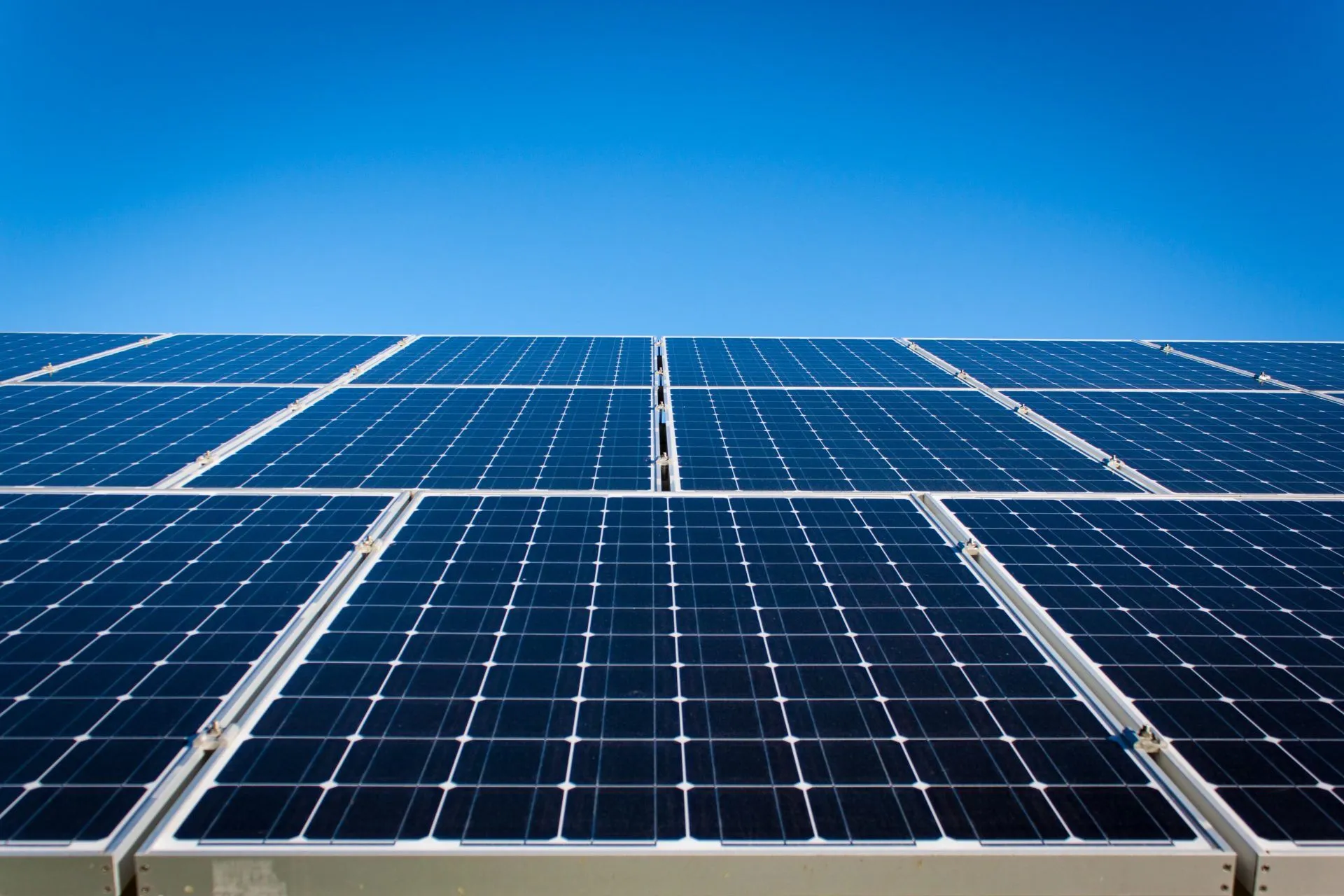
Solar energy has transitioned from a luxury for the elite to a critical survival tool for remote workers, SMEs, and homeowners alike.
According to a fresh market survey, the solar landscape in 2026 is characterized by surprisingly stable pricing and a surge in high-efficiency technology.
Despite global inflationary pressures, the cost of high-end solar components has actually begun to soften, making premium “peace-of-mind” systems more accessible than ever.
Cost Breakdown: What You’ll Pay in 2026
The cost of a solar installation depends heavily on the “load” you intend to carry. Here is the current market pricing for standard setups:
| System Size | Price Range (Naira) | What It Powers |
| Small (1kW – 3kW) | N800,000 – N2.5 Million | Lights, fans, TVs, laptops, and phone charging. |
| Medium (3.5kW – 5kW) | N2.5 Million – N8 Million | Fridges, freezers, water pumps, and some AC units. |
| Large (10kW & Above) | N10 Million – N50 Million+ | Large homes, office complexes, or small factories. |
Market Dynamics: The “Price Stability” Phenomenon
A surprising trend in 2026 is that solar prices have remained steady—or even declined—over the last six months.
- The Premium Shift: Experts like Mr. Theophilus note that the price gap between “substandard” and “original” products is narrowing. High-end inverters and panels are becoming cheaper, prompting consumers to opt for quality over cheap alternatives.
- The Battery Battle: While Lithium batteries remain the most expensive option due to their superior lifespan and efficiency, older technologies like Tubular and Dry Cell batteries still hold a significant market share for those with more space and tighter budgets.
Africa’s Solar Boom: Nigeria at the Forefront
Nigeria is currently the second-largest solar market in Africa, adding 803 MW of capacity in 2025 alone, trailing only South Africa. This growth is supported by:
- Distributed Systems: 44% of new capacity comes from rooftop solar and mini-grids.
- Global Funding: The World Bank recently approved a $50 million investment to expand solar-powered agricultural solutions (cold rooms, grain mills, etc.) across Nigeria and five other African nations.
What Influences Your Final Quote?
Beyond the capacity (kW), four major factors determine your total bill:
- Inverter Quality: Microinverters offer better performance but come at a premium compared to traditional string inverters.
- Battery Chemistry: Lithium is the “Gold Standard” for 2026, offering longevity that often outlasts the initial investment.
- Roof Complexity: The angle and structural design of your building can increase labor costs if specialized mounting is required.
- Smart Monitoring: Modern systems now include mobile apps that allow you to track your energy harvest and consumption in real-time.
Financial Strategy
In 2026, solar is no longer just “green energy”—it is financial strategy. With prices for high-end systems stabilizing and the grid remaining unpredictable, the return on investment (ROI) for a well-installed solar system is now faster than ever.
For a Lagos resident spending N850,000, the result isn’t just electricity; it’s the elimination of fuel costs and the end of “grid anxiety.”